ERBIL, Kurdistan Region - There are no ongoing or scheduled negotiations between Washington and Tehran, US President Donald Trump said Tuesday, adding that the naval blockade imposed by American forces on Iranian ports remains in effect. The remarks come as Iran's chief negotiator also said Tuesday that any progress on talks and the reopening of the Strait of Hormuz remained contingent on Tehran's conditions being met.
"There are no talks or conversations going on, or scheduled, with the Islamic Republic of Iran," Trump said on his Truth Social platform, adding that the naval blockade "remains in full force and effect."
He further noted that the strategic Strait of Hormuz remains "open and operating" and that all water mines planted by Iranian forces "have been removed or detonated."
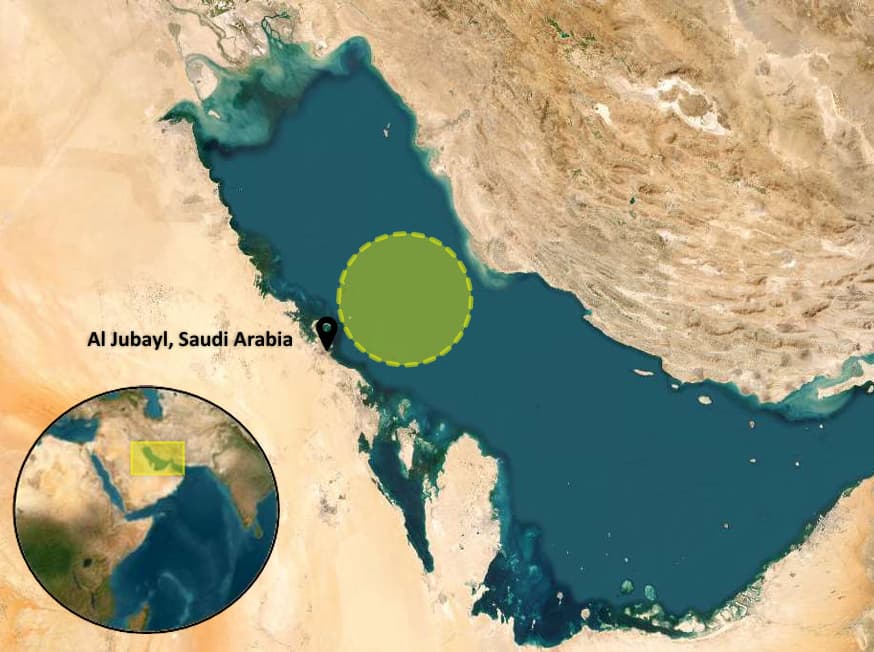
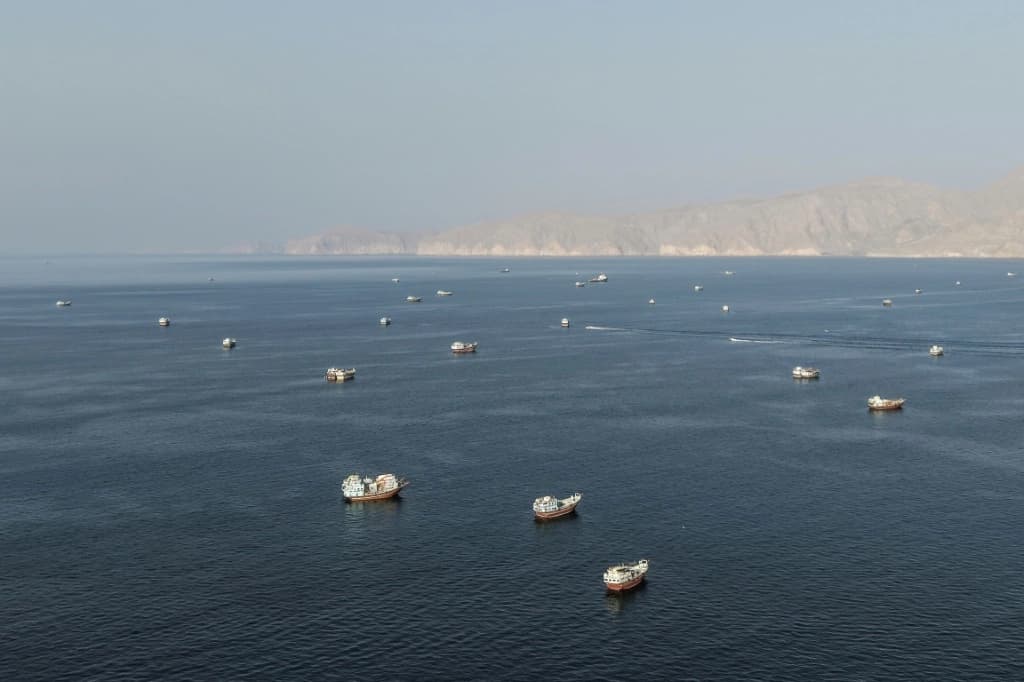
The Strait of Hormuz, through which around one-fifth of global oil supplies pass, has been a flashpoint between Washington and Tehran since the outbreak of the six-week war in late February, when the US and Israel launched a joint aerial campaign striking thousands of targets across Iran.
In response, Tehran carried out thousands of drone and missile strikes across the Middle East, targeting alleged US assets - particularly in Gulf Arab states - while also launching retaliatory strikes against Israel.
The warring sides reached a preliminary ceasefire mediated by Pakistan in early April, followed by the Islamabad Memorandum of Understanding signed between the two sides in mid-June, establishing a ceasefire on all fronts.
Following the truce, however, the two sides engaged in several rounds of strikes and counterstrikes - the latest of which escalated on July 8 and ended later that same month. Washington also reinstated its naval blockade of Iranian ports in July.
Importantly, Trump's remarks on Tuesday came a day after the 60-day negotiating deadline set by the Islamabad MoU expired on Monday, and a day after his son-in-law and member of the US negotiating team Jared Kushner told Fox News that communications between Washington and Tehran are "more robust" than ever.
For his part, Iran's chief negotiator and Parliament Speaker Mohammad Bagher Ghalibaf said Tuesday that normalizing shipping through the Strait of Hormuz would not happen "until the United States lifts its blockade, ends sanctions, and releases frozen assets of the Islamic Republic," state-run Islamic Republic News Agency (IRNA) reported.
Ghalibaf also accused Trump of "backing down on the Pakistan-brokered MoU with Tehran," with IRNA citing him as saying that “US non-compliance” with the agreement represented a "massive diplomatic defeat for Washington."
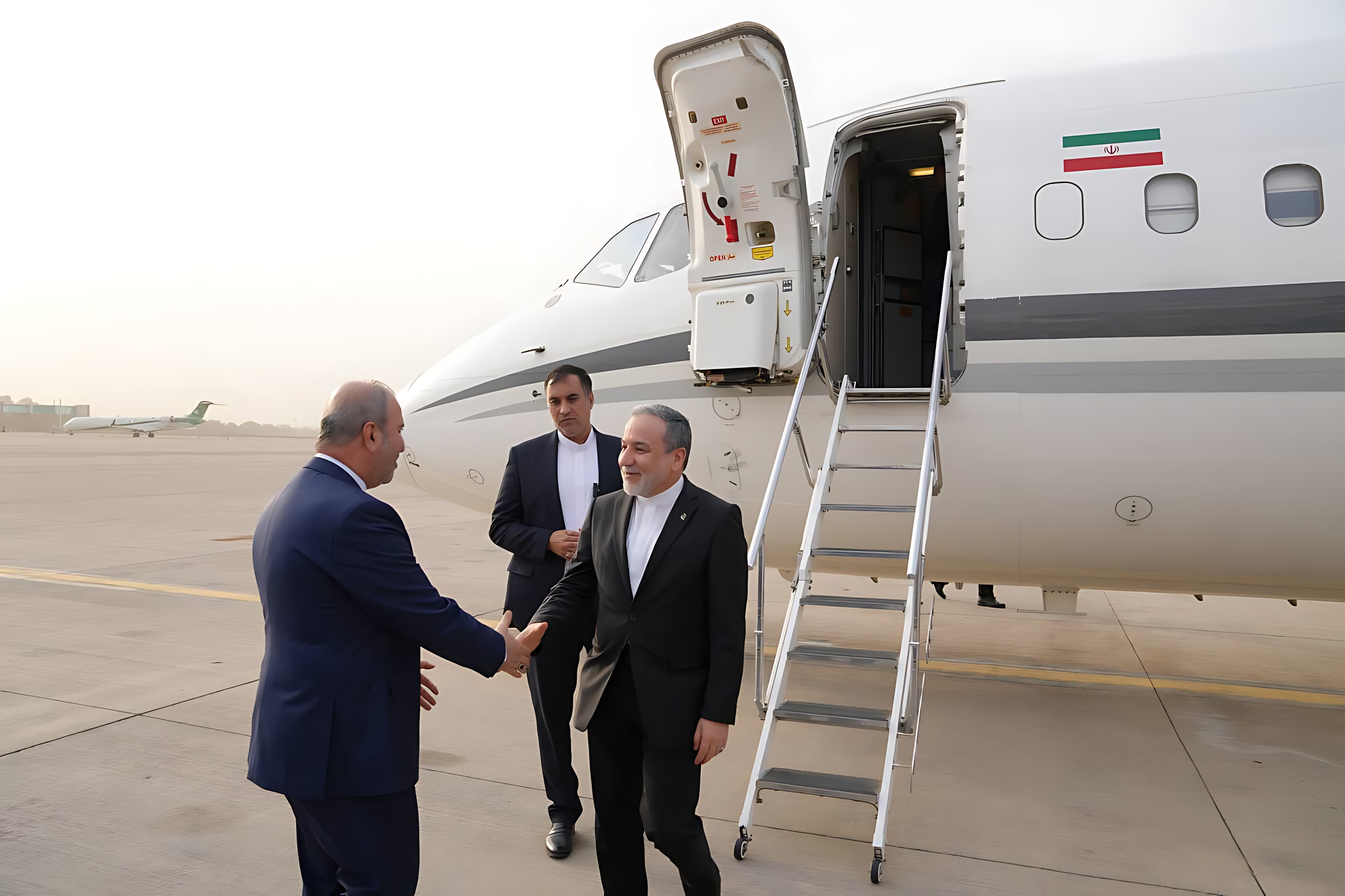
Meanwhile, Iran and Oman have been engaged in separate negotiations to reopen the strait. Iranian Foreign Ministry spokesperson Esmail Baghaei told reporters Monday that "an understanding has been reached regarding the map of the transit route" with Muscat, pending an official statement once technical details are finalized.
However, when asked about those negotiations by Fox News on Monday, Trump warned that "if Oman gets in the way," it too would be targeted, adding, "I don't think they behaved very well, but we'd handle them very easily, just like we do other things."