ERBIL, Kurdistan Region - US Central Command (CENTCOM) forces early Thursday completed a “heavy wave of strikes” against Iran intended to “further diminish threats posed by Iran and its proxies to American forces, commercial shipping, and neighboring Gulf countries” following Iran’s Tuesday missile attacks on US forces.
At 10 pm local time late Tuesday, CENTCOM forces “successfully completed a heavy wave of strikes against Iran in response to yesterday's attempted missile attacks on U.S. forces,” striking “dozens of Islamic Revolutionary Guard Corps (IRGC) targets in Iran, including military command centers, missile and drone facilities, coastal surveillance and defense sites, and maritime capabilities,” to “further diminish threats posed by Iran and its proxies to American forces, commercial shipping, and neighboring Gulf countries.”
CENTCOM framed its retaliation as a response to IRGC attacks on Tuesday in which Iranian forces “launched multiple ballistic missiles from Iran in an attempted surprise attack on U.S. forces based in the Middle East,” noting that “All Iranian missiles were successfully intercepted.”
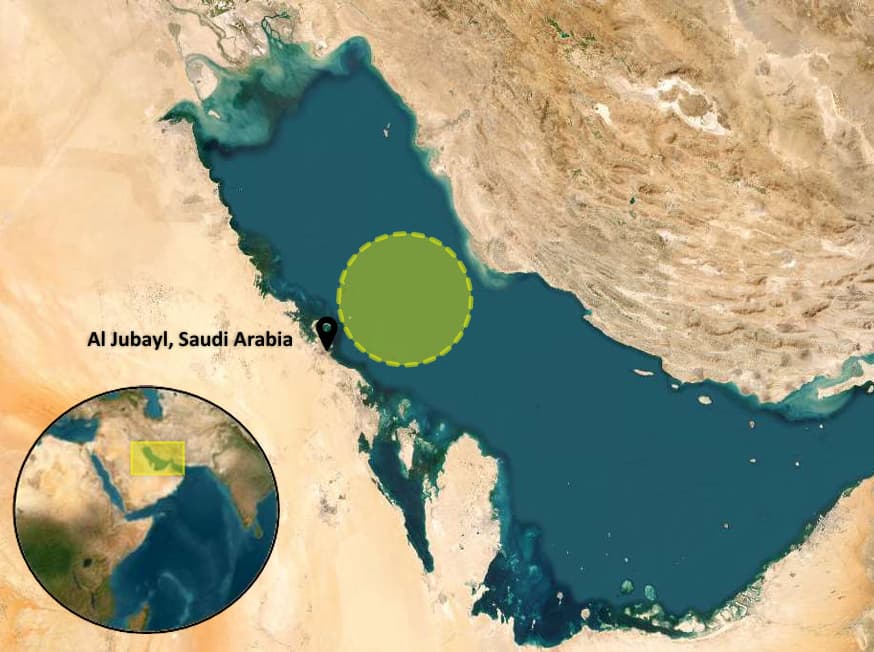
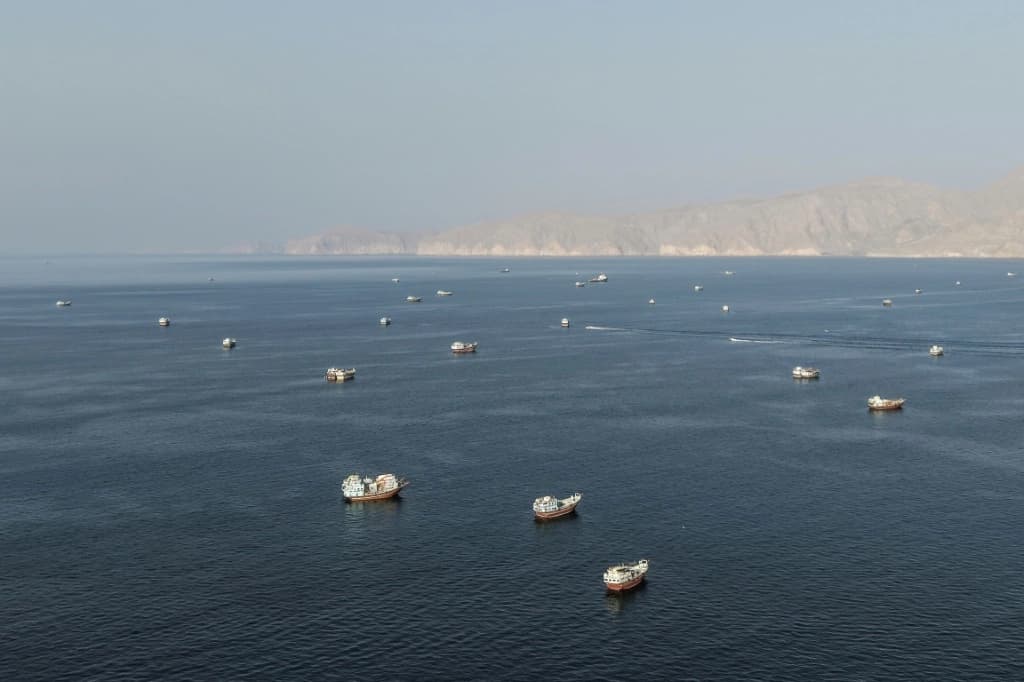
This comes as the future of shipping through the Strait of Hormuz, a critical maritime transit route through which nearly one fifth of the world’s crude oil transit, including 90 percent of Iraqi exports, remains in limbo over a proverbial ‘tug of war’ as Iran insists on exercising oversight over the waterway, following the war with the US since late February and ensuing wider regional escalations.
President Donald Trump on Wednesday warned that US forces would hit Iran "very hard" after Iranian forces attempted a "surprise" missile attack on American troops in the region.
The latest attacks follow a round of escalations between Washington and Tehran which began on July 8 and continued for over two weeks, with the US targeting military targets and energy infrastructure and Iran launching strikes against US military bases in the region including civilian and military infrastructure in several Gulf countries.
The United States on Wednesday levied new sanctions against two companies it described as integral to an "extortion scheme" as well as eight vessels and eight offshore entities, aligned with efforts to combat "the Iranian regime's desperate efforts to monetize the Strait of Hormuz and prop up the nation's failing economy."
Despite the memorandum of understanding (MoU) guaranteeing "permanently toll-free" passage through Hormuz, Iranian officials argued they retained the sovereign right to impose "service fees" or demand authorization from vessels transiting territorial waters.
CENTCOM on Wednesday reiterated that the Strait of Hormuz is “an international waterway,” and that “the IRGC has no authority to dictate routes for free and open traffic flow,” as US forces continue to facilitate the transit of commercial vessels “with U.S. military support.”
Since early May, CENTCOM forces have helped approximately 1,000 vessels and 500 million barrels of crude oil pass through the narrow waterway.
CENTCOM stated on Wednesday that its “forces continue to strictly enforce the U.S. blockade against Iran,” noting that “As of July 29 CENTCOM has redirected 20 commercial vessels, disabled 2, and boarded 2.”