
ERBIL, Kurdistan Region - The maritime blockade imposed by the Iran-backed Ansarullah movement in Yemen, better known as the Houthis, against Saudi shipping in the Red Sea amounts to "maritime piracy" and will be met with "decisive force," the spokesperson for the Saudi-led coalition aligned with Yemen's internationally recognized government (IRG) said.
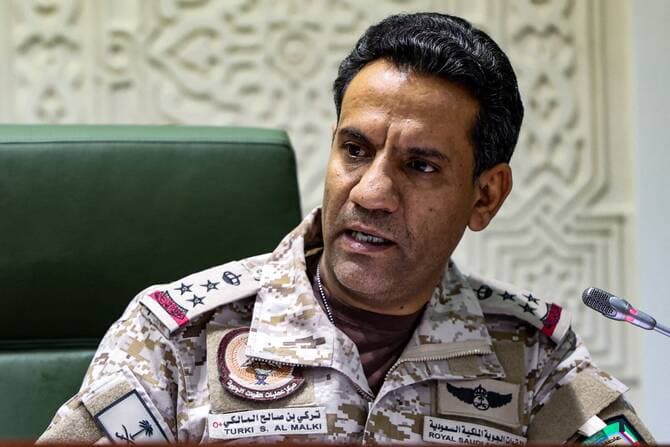
The coalition is implementing "strict measures" to "protect" its "vessels passing through the Bab al-Mandeb Strait" in accordance with international and United Nations’ law, Major General Turki al-Malki, the bloc's spokesperson, said Monday, slamming Houthi threats as "acts of maritime piracy" and warning they "will be met with decisive force and firmness."
Malki also dismissed Houthi "allegations" of a Saudi blockade on Yemen as part of the group's "escalation against the [internationally recognized] Yemeni government [in Aden] and Yemen's neighboring countries," rejecting them as "misleading."
Earlier in the day, the Houthis’ military Spokesperson Yahya Saree declared a "maritime embargo" against Saudi shipping, noting that the blockade is "effective immediately,”
Pointing to what he described as an "unjust and oppressive siege" by Riyadh "on our ports and airports by land, sea, and air" for 12 years since the onset of the Yemen war, Saree added, "We affirm the right of our great people to respond to the blockade with a blockade, and to respond to all escalation with escalation."
As the Houthis control Yemen's western coastline, the blockade primarily targets the Bab el-Mandeb Strait, which connects the Gulf of Aden to the Red Sea.
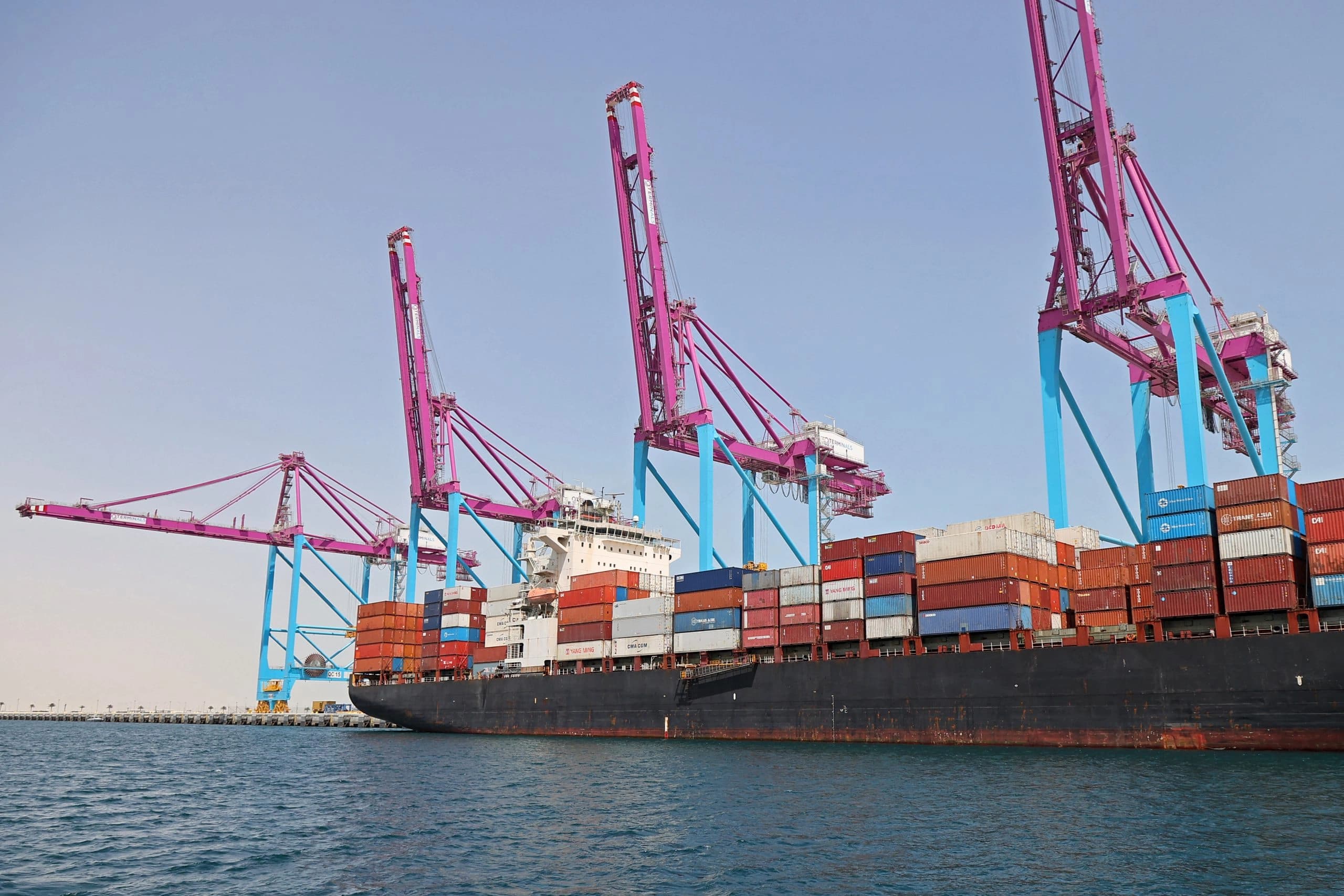
The move is specifically geared toward blocking Saudi Arabia's western maritime trade route, used to transfer crude via the East-West Pipeline across the kingdom to its major Red Sea export terminal at Yanbu.
The measures come as Riyadh's alternative routes through the Gulf are also facing ongoing disruptions near the Strait of Hormuz, due to maritime restrictions imposed by the Houthis' Iranian allies - the Islamic Revolutionary Guard Corps (IRGC).
For its part, the Saudi foreign ministry on Monday condemned "in the strongest terms" Houthi claims that Riyadh is imposing an embargo on the Yemeni people, as well as the group's announcement of a "naval blockade" on Saudi shipping.
Riyadh affirmed it has instead continued, alongside the Aden-based (IRG), to support "development projects, supporting the Yemeni government's budget, and providing petroleum derivatives to operate power plants."
“Ports in northern Yemen - Hodeidah, Salif, and Ras Isa - received more than 300 ships carrying foodstuffs, goods, fuel, and construction materials in the first half of 2026,” the ministry said, adding that the Coalition it leads had prevented "the entry of weapons and ammunition" to the Houthis in line with UN resolutions.
Riyadh further urged the international community not to remain passive in the face of the Houthi blockade in the Red Sea, while affirming it "will take all necessary measures to protect its vessels" and reiterating its commitment to "supporting the brotherly Yemeni people and their legitimate government."
The escalation comes a little over a week after the Houthis launched a "ballistic" missile attack against Abha International Airport in southern Saudi Arabia, the Yemeni group's spokesperson said in a previous statement.
Saree added that the strike was in response to the Riyadh-aligned IRG's "blatant attack" on Sanaa International Airport, in which the Aden-based Yemeni government carried out "a number of airstrikes," reportedly to prevent a flight from Iran carrying a Houthi delegation from landing - prompting the aircraft to divert to the port city of Hodeidah instead.
The latest escalation marks the first direct exchange of fire between the two sides since an informal truce took hold in 2022.