
ERBIL, Kurdistan Region - Iranian and American negotiators, with the assistance of mediators, agreed to halt the exchange of fire in the Strait of Hormuz after several days of hostilities that cast doubt on the viability of a Memorandum of Understanding (MoU) that had been in place for nearly two weeks.
The cessation of hostilities between the two sides was reported by American website Axios on Sunday night, which said the parties have also agreed to meet in Qatar on Tuesday in an effort to resolve their differences over the strategic waterway.
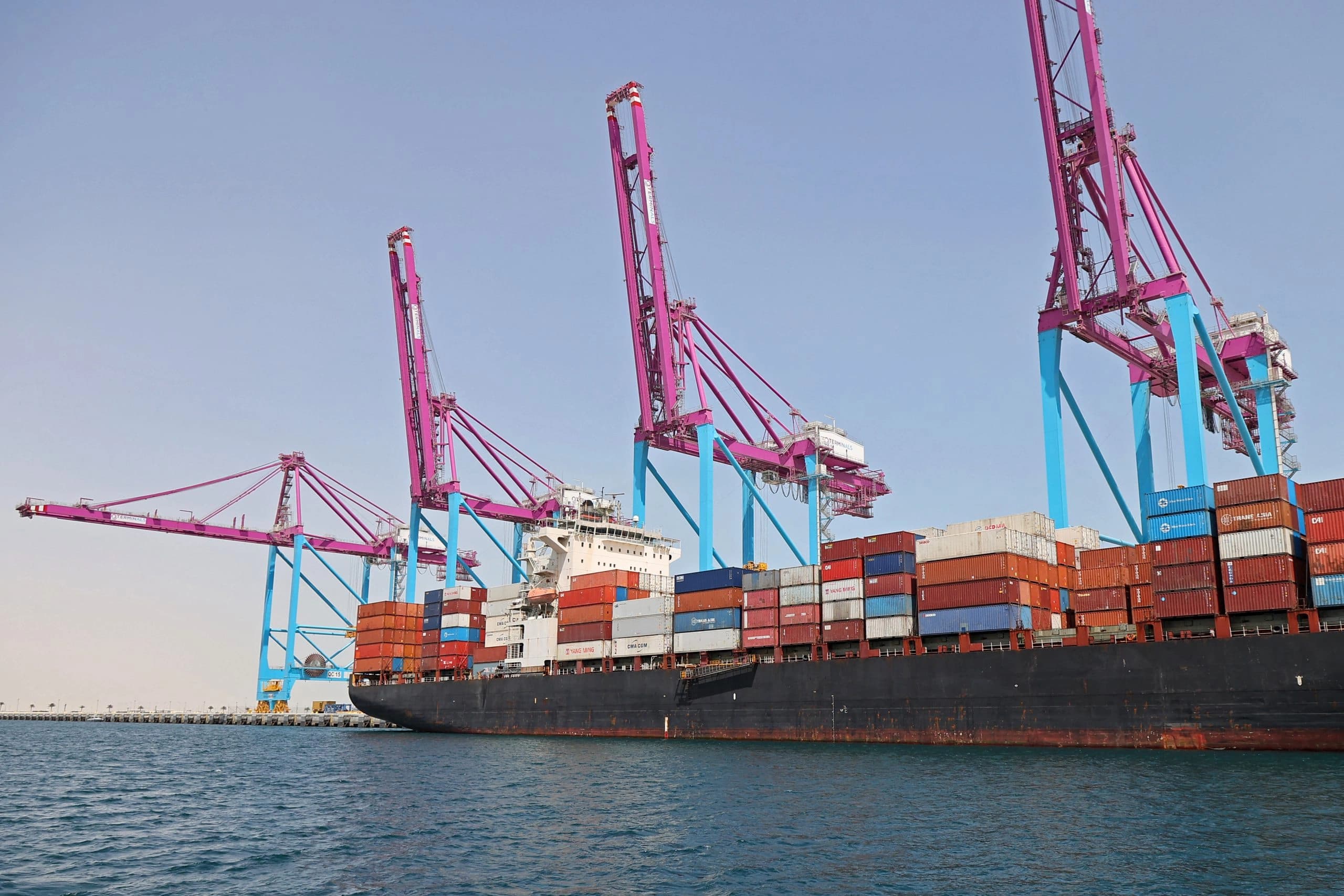
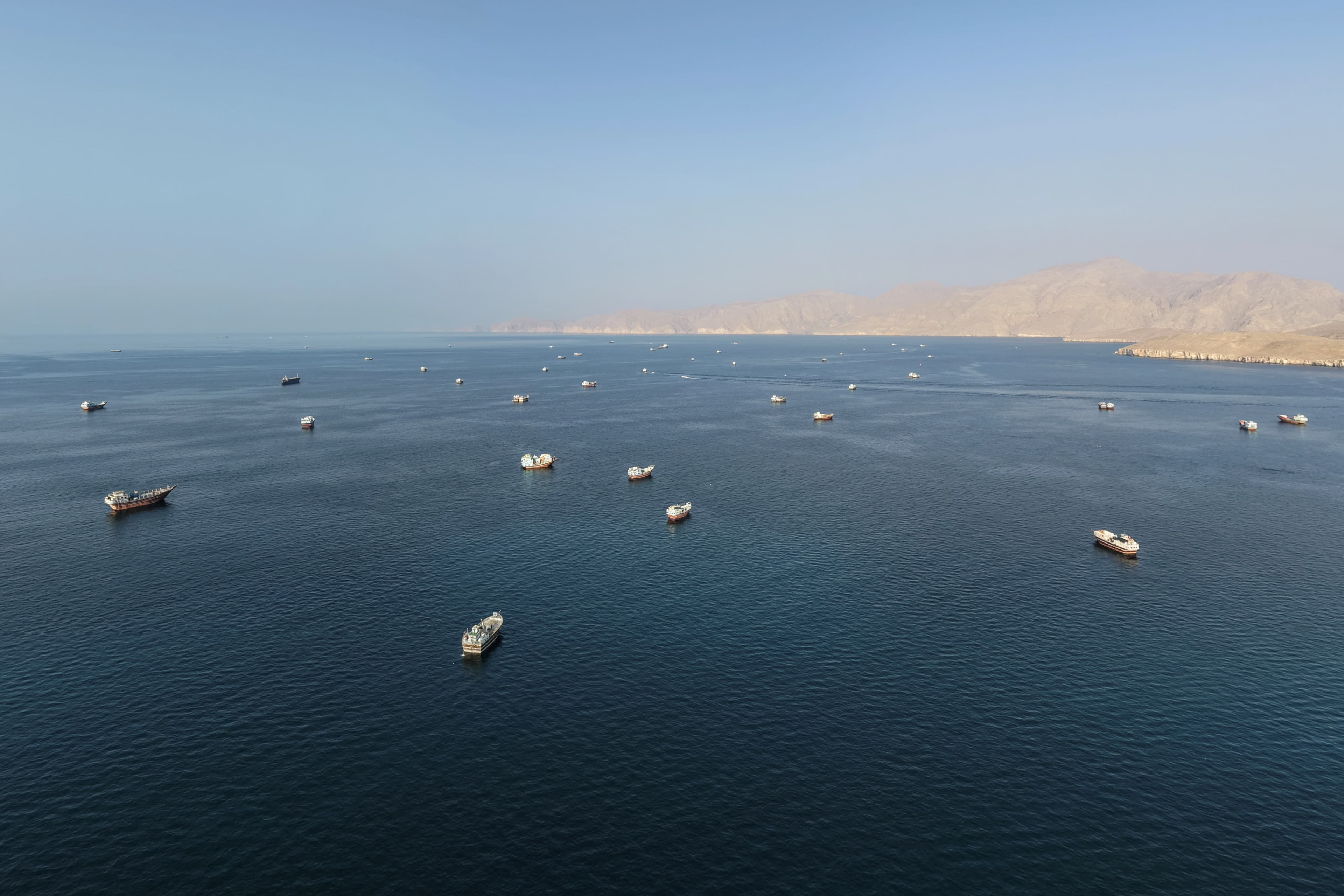
Iran has maintained that vessels stranded in the area for several months due to the conflict could only exit the waterway through a designated maritime corridor overseen by the Islamic Revolutionary Guard Corps (IRGC). The US and Oman, in coordination with the International Maritime Organization, subsequently established an alternative shipping lane near the Omani coast to allow vessels to safely leave the area.
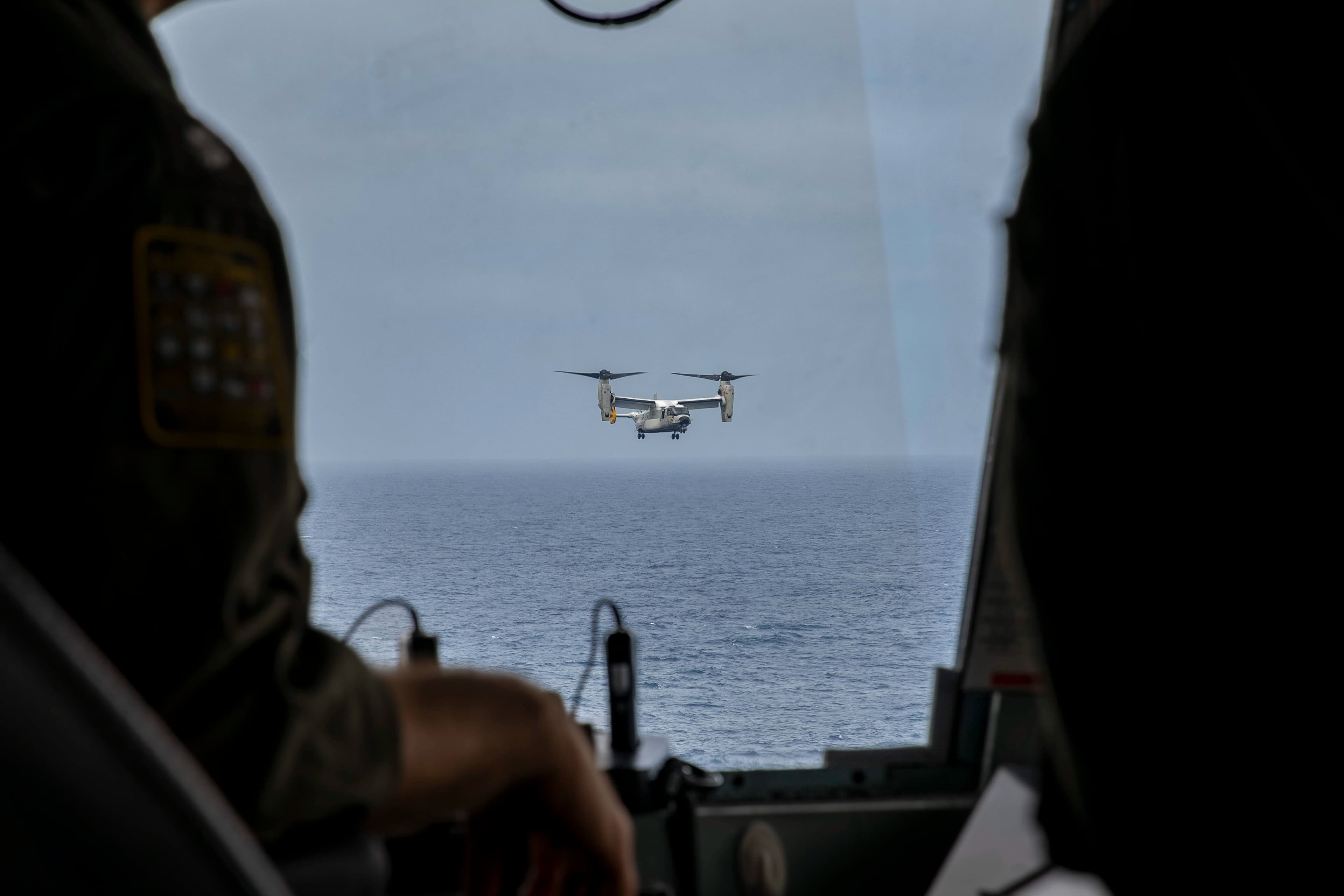
Iran protested the opening of the new lane, and at least two vessels were struck by IRGC projectiles, prompting the US to strike several locations near the Strait over the weekend. Iran responded by firing a number of ballistic missiles and one-way drones at US bases in Kuwait and Bahrain on Sunday and threatened to halt the negotiations.
“We decided to stop all the kinetic activity,” a senior US official told Barak Ravid of Axios. A second official said both parties had agreed to stand down for now and allow vessels to “move freely” through the waterway.
The US and Israel began an extensive aerial bombing campaign in late February that lasted nearly six weeks before a ceasefire was agreed on April 8. Iran closed the waterway during the war and attacked dozens of vessels before the US retaliated by imposing a blockade on Iranian ports on April 13, bringing Iranian oil exports almost to a halt.
Iran has agreed to allow vessels to exit the Strait without paying a toll for 60 days, but maintains that it will charge vessels for services provided to them after this period. The US has maintained that no charges should be levied against vessels.
The reopening of the Strait under the MoU has raised political tensions in Iran, dividing the ruling elite into two camps. One believes Washington cannot be trusted and that the war should continue and the Strait should be used as a weapon against the world economy, while the other argues that diplomacy should be given a chance, given the country’s dire economic conditions.
It is not clear whether negotiators will succeed in reaching a lasting cessation of hostilities, given the multifaceted nature of the conflict, including tensions in Lebanon. Iran has maintained that Israel should halt its strikes in Lebanon and withdraw its forces from Lebanese territory under the MoU, while Israel has continued its operations inside the country.
President Donald Trump has repeatedly threatened that he would not hesitate to resume bombing Iran if Tehran does not adhere to its obligations under the MoU.