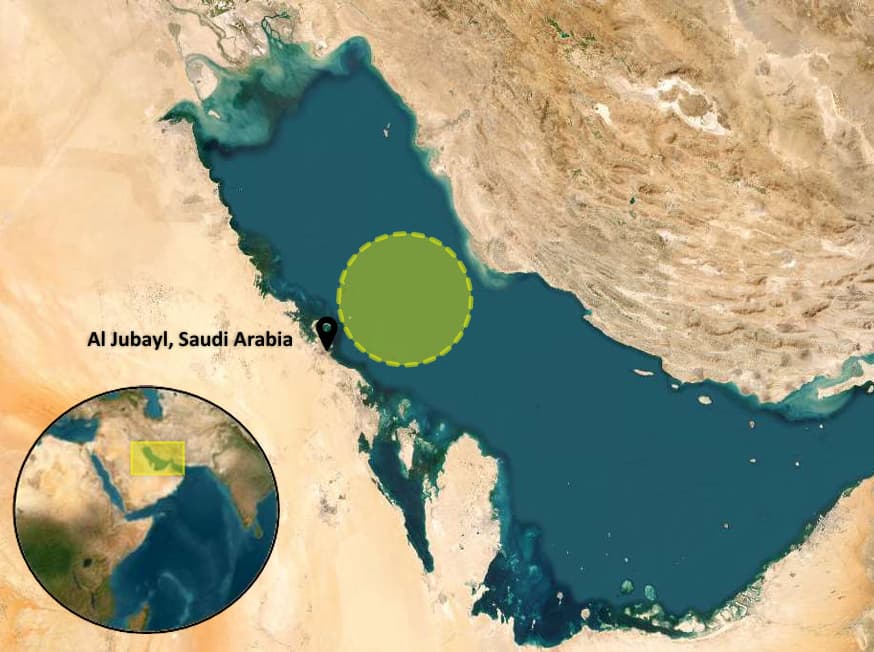
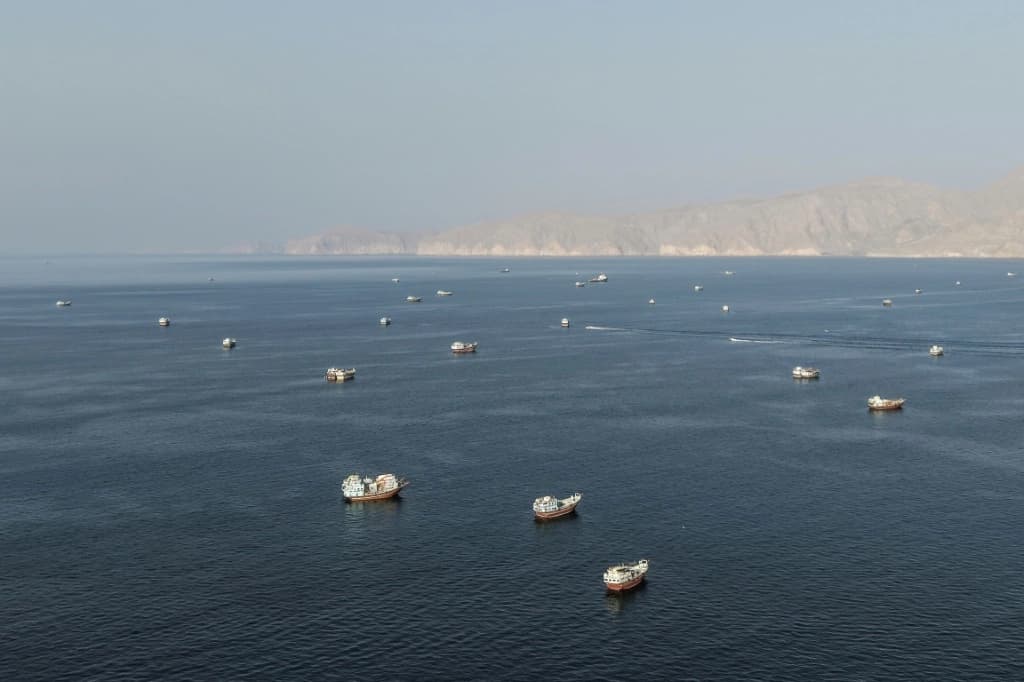
ERBIL, Kurdistan Region - Restoring pre-war oil flow rates through the Strait of Hormuz could take up to three months even if the United States and Iran reach a long-term agreement, the leading data and analytics firm Kpler told Rudaw English.
Homayoun Falakshahi, Head of Crude Oil Analysis at Kpler, said on Wednesday that the memorandum of agreement signed between Tehran and Washington is expected to “reopen flows through the Strait of Hormuz via free passage.”
He anticipated that “within four weeks, we will get back to 50 percent of normal [oil] flows via increased tanker availability,” however, “it will take two to three months to see normalized flows down the line,” particularly as “shipowners need confidence in order to come back into the Persian Gulf and load oil.”
Falakshahi further emphasized that full restoration “will depend on the outcome of the [long-term] agreement between Iran and the US,” noting that while “we don’t think a final agreement is likely, it is likely that negotiations will be extended beyond 60 days.”
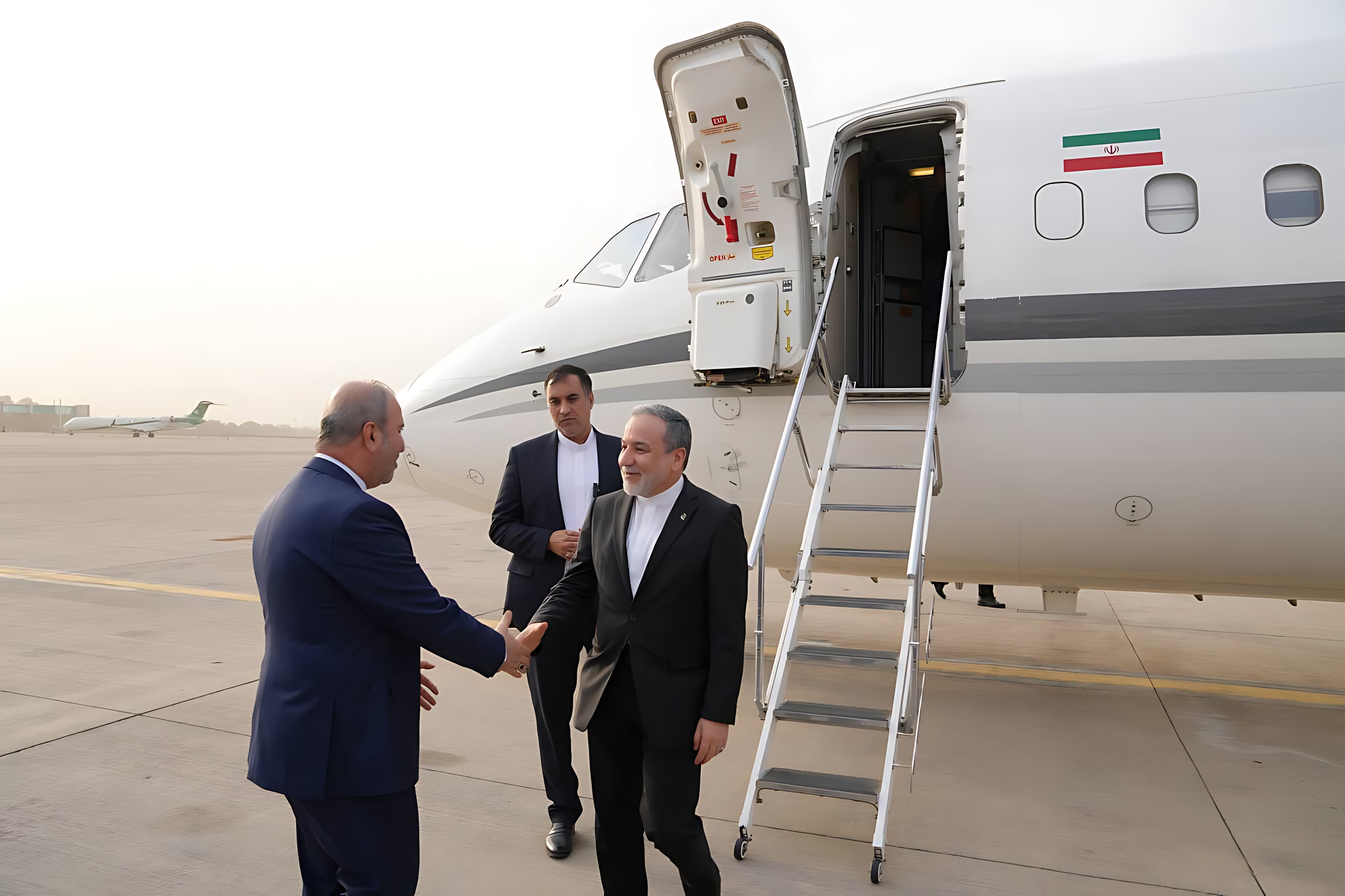
The memorandum of understanding between the US and Iran was signed by the presidents of both countries on Thursday, the White House and Iran’s foreign ministry confirmed, as the official signing ceremony previously scheduled to take place in Switzerland on Friday will no longer be held.
The 14-point framework document, officially titled “The Islamabad Memorandum of Understanding between the United States of America and the Islamic Republic of Iran,” establishes an immediate cessation of military operations between Tehran, Washington, and their respective allies across all fronts. It also sets out a 60-day period to reach a comprehensive binding agreement.
Moreover, the US agreed to begin lifting its naval blockade on Iranian ports upon the signing of the memorandum of understanding, adding that restrictions against Iran “will fully end the naval blockade within 30 days.”
Upon the signing of the MoU, Tehran is also expected to “make arrangements” to ensure “the safe passage of commercial vessels, with no charges for 60 days only, between the Persian Gulf and the Sea of Oman.”
The traffic of commercial vessels “will immediately start,” subject to the removal of “technical and military obstacles,” and the demining efforts by Iran which “will be initiated within 30 days.”
Per Kpler’s observations, “it seems that the US blockade on Iranian oil has been lifted,” Falakshahi noted, adding that “we have seen three tankers carrying Iranian oil that have passed through the blockade line for the first time since mid-April, when the blockade was first implemented.”
He anticipated that the crude “is likely headed to China, but it seems that the US is going to be issuing sanctions waivers that will allow Iran to sell oil to other players - potentially to India, but also some European refiners. Japan and South Korea could also re-enter the game.”
Moreover, the head of crude oil analysis at Kpler pointed to a slight increase in oil transiting through the Strait of Hormuz, which he said is currently hovering “around 4 million barrels per day (bpd), which is still much lower than before the war, when it was at 15 million barrels per day.”
He also noted that much of the remaining exports are primarily from countries other than Iran - namely Iraq, Kuwait, Qatar, and the United Arab Emirates (UAE) - pointing to dark and ship-to-ship transfers used to bypass risks in regional waters.