
ERBIL, Kurdistan Region - Iraqi Prime Minister Ali al-Zaidi has vowed not to backtrack from what he considers a “God-given mission” to reform the country and combat corruption, even “if I get killed,” as the Kurdistan Region’s two ruling parties prepare a four-point proposal to address outstanding disputes with Baghdad ahead of crucial talks on Tuesday.
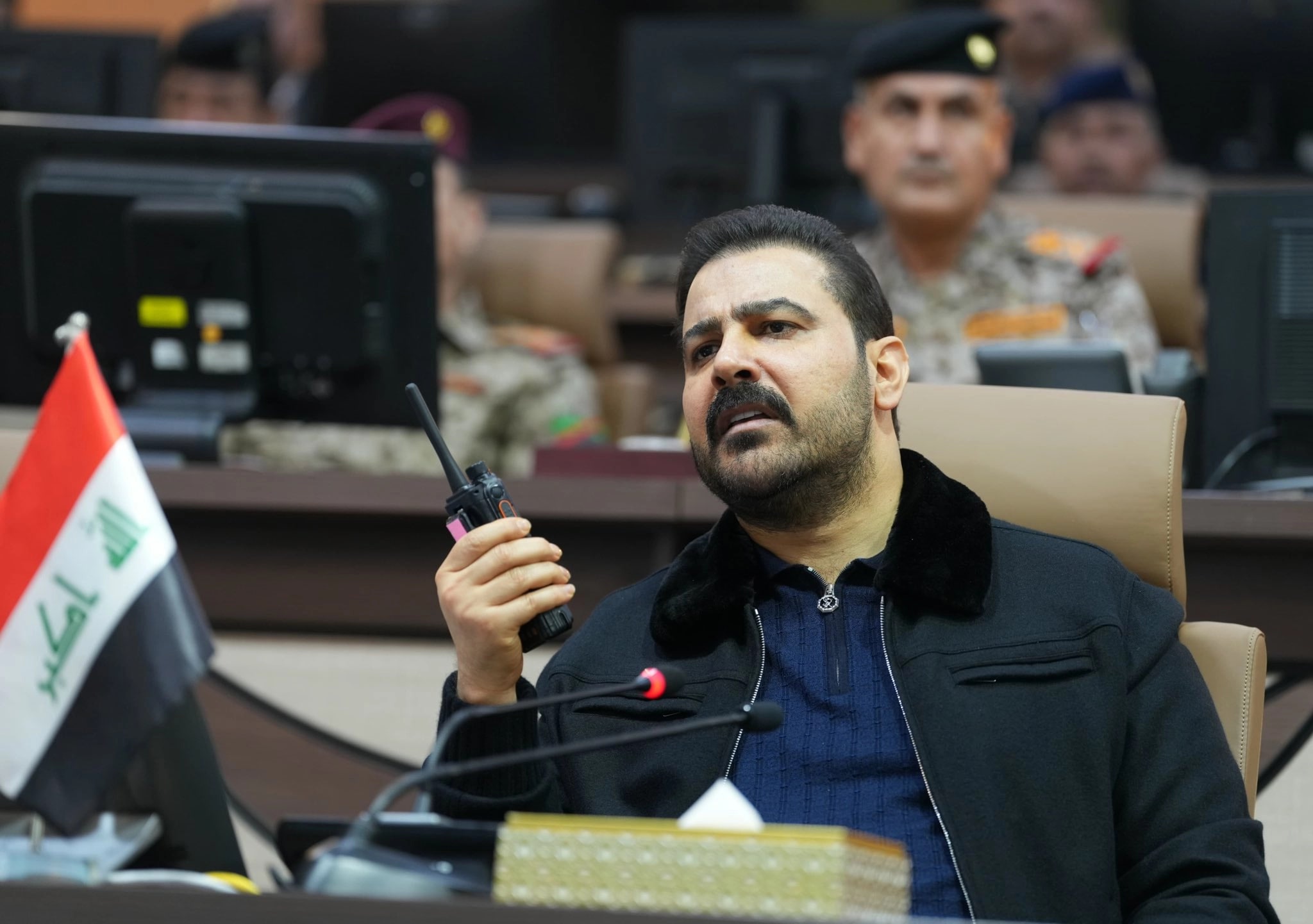
Zaidi made the remarks during a meeting with an Iraqi official on Thursday, the official subsequently told Rudaw’s Sangar Abdulrahman. The prime minister reportedly described the current circumstances as the last opportunity to fix the country, insisting that he would not abandon his mission.
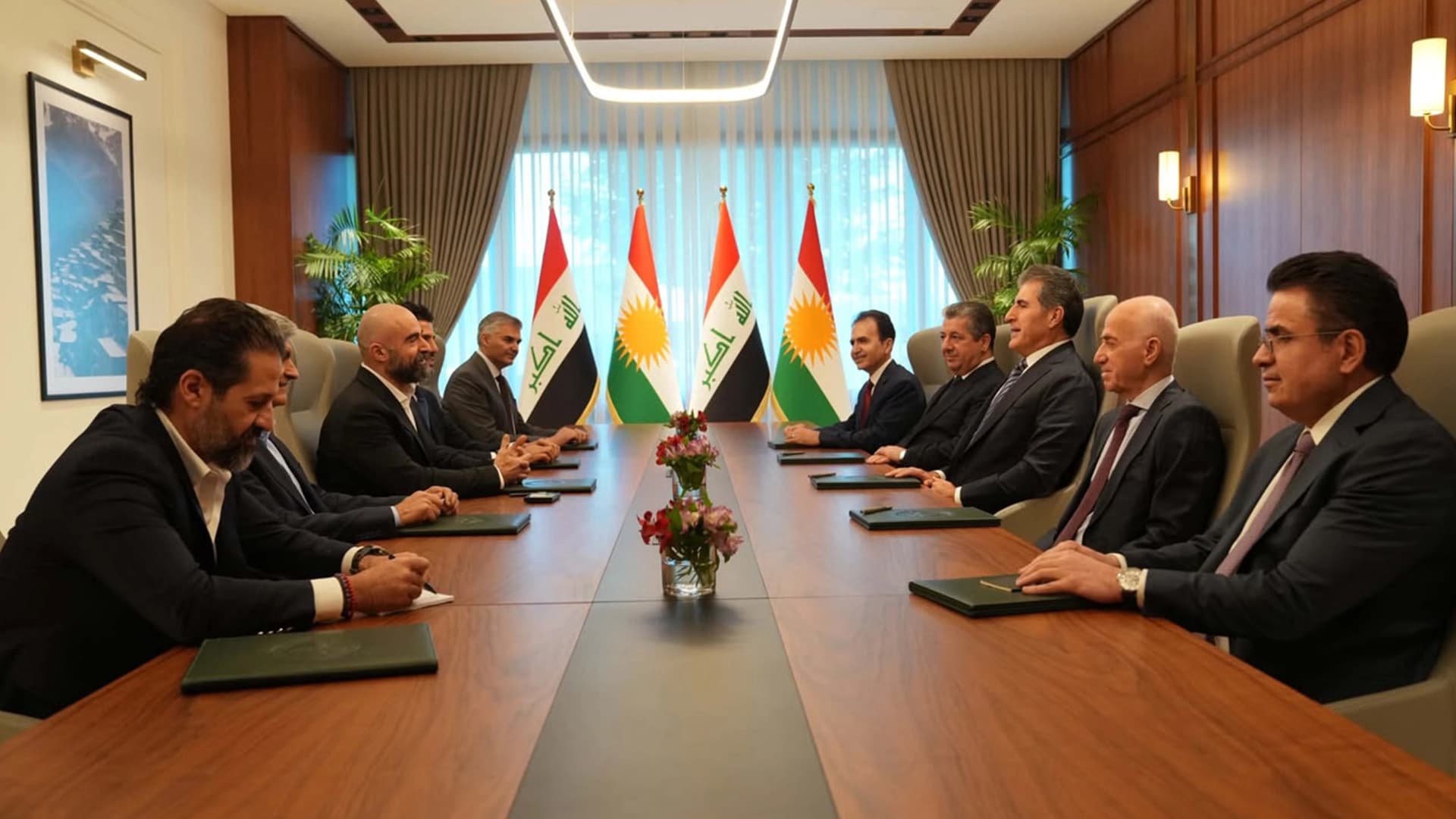
The Kurdistan Democratic Party (KDP) and the Patriotic Union of Kurdistan (PUK) have drawn up a four-point proposal to be presented by their joint delegation in Baghdad on Tuesday, following a meeting between the two parties in Sulaimani on Saturday.
The first proposal calls for the joint management by Erbil and Baghdad of oilfields located in territories disputed between the federal government and the Kurdistan Regional Government (KRG), whose administrative status remains unresolved under Article 140 of the Iraqi constitution.
The territories stretch across Kirkuk, Nineveh, Diyala and Salahaddin provinces and include several oilfields under the protection of Kurdish security forces. Article 140 provides for normalization, a census and a referendum to determine the status of the disputed territories. Its implementation was originally scheduled for completion by the end of 2007.
Article 112 of the constitution also provides for the federal government and producing regional and provincial authorities to jointly manage oil and gas extracted from existing fields.
Under the second proposal, the Kurdish parties have called for increasing the number of federal border guards deployed along the Kurdistan Region’s borders and providing them with additional equipment, including infrared cameras, to improve surveillance and prevent smuggling.
Two Iraqi border guard brigades operating along the Kurdistan Region’s international borders are staffed by Kurdish personnel affiliated with the KDP and PUK, respectively. The two parties also retain significant influence over the Region’s Peshmerga forces.
The proposal comes after Kurdish leaders rejected Baghdad’s earlier demand to deploy Iraqi army units along the Kurdistan Region’s borders with neighboring countries.
The third proposal calls for closing unofficial border crossings. Iraqi authorities have already begun implementing such measures, shutting down the Pshta crossing with Iran in Halabja province and the al-Waleed crossing with Syria on Thursday.
Baghdad officially recognizes only four international border crossings in the Kurdistan Region: Ibrahim Khalil with Turkey, and Haji Omaran, Bashmakh and Parviz Khan with Iran.
The fourth proposal presents Baghdad with two options to meet the Kurdistan Region’s domestic fuel requirements: increasing the Region’s crude oil allocation from 50,000 to 120,000 barrels per day or supplying it with petrol and other petroleum products directly.
Mounting pressure from Baghdad
Tensions between Erbil and Baghdad escalated on Tuesday when Zaidi ordered federal authorities to assume control of the Kurdistan Region’s border crossings and take over the management of oilfields under Kurdish security control, following an investigation into suspected oil smuggling involving the state-owned North Oil Company.
Kurdish authorities have rejected Baghdad’s unilateral decisions, warning that they undermine the federal system enshrined in the Iraqi constitution and insisting that outstanding disputes must be resolved through dialogue rather than military measures.
Saturday’s meeting in Sulaimani also marked a significant step towards restoring coordination between the KDP and PUK, whose relations deteriorated sharply earlier this month after the KDP reactivated the Kurdistan Region parliament without the PUK’s participation, prompting the latter to withdraw from the regional cabinet.
US President Donald Trump on Friday threw his weight behind Zaidi’s efforts to combat corruption and oil smuggling and assert state authority throughout Iraq.
Trump’s remarks drew criticism from former senior US State Department official Victoria Taylor, who warned that Washington’s apparent support for greater centralization of authority in Baghdad could undermine Tuesday’s negotiations and Washington’s role as a trusted mediator.
US Special Envoy to Iraq and Syria Tom Barrack on Wednesday offered to mediate between Erbil and Baghdad, urging Zaidi to rule out military action, sources familiar with the discussions told Rudaw.
Tuesday’s meeting will be a significant test of whether the Kurdish parties’ renewed cooperation and willingness to make concessions can secure a negotiated settlement with Baghdad, as Zaidi presses ahead with his declared mission to strengthen federal authority.