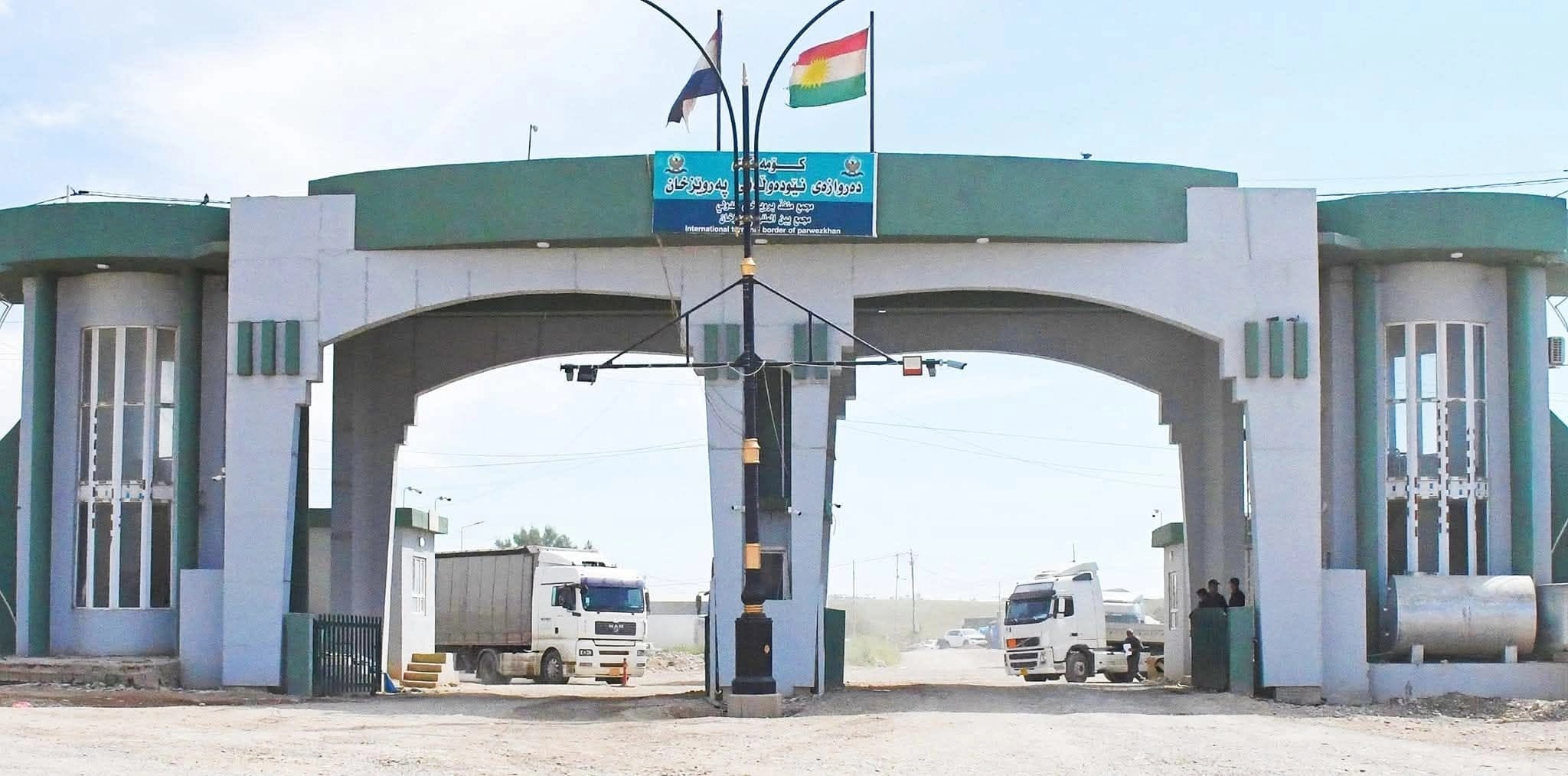

ERBIL, Kurdistan Region - Officials at the Kurdistan Region’s Parviz Khan border crossing with Iran on Saturday denied reports by two Iraqi state media outlets that an oil smuggling site had been discovered nearby. The Iraqi defense ministry placed the pipeline inspection in Salahaddin province and made no mention of smuggling.
“We consider it necessary to inform everyone that we reject all these rumors and allegations,” the crossing’s media office said in a statement. It accused social media pages and accounts of trying to discredit Parviz Khan and urged those circulating the claim to check the ministry of defense's separate statement, which "clearly" identified the location.
The state-owned al-Sabah newspaper first posted a video purporting to show the discovery of an oil smuggling site near Parviz Khan. The state-run Iraqi News Agency (INA) followed with a photo and a nearly identical caption. Both specified that the crossing was “under the control of the Kurdistan Region.” Both outlets later deleted their posts. The claim also appeared in other Iraqi media outlets.
The reports come amid heightened tensions between Erbil and Baghdad over the administration of border crossings and oilfields. Parviz Khan, an official crossing in the Kurdistan Region’s Garmiyan administration, is among the border posts Iraqi Prime Minister Ali al-Zaidi ordered federal authorities to take over on Tuesday. The order followed an investigation into suspected oil smuggling at the state-owned North Oil Company.
Zaidi also directed the federal oil ministry to assume management of fields it claims ownership of in Kirkuk, Nineveh, Diyala and Salahaddin provinces that are under Kurdish security control.
The defense ministry’s Saturday statement traced the inspection route from the Ajeel oilfields along the Hamrin mountains to the Baiji refinery. Major General Kamil Salih Mohammed, head of the Salahaddin Operations Command, found damage to the pipeline at 12 locations where makeshift repairs had previously been carried out.
"Excavations remained in place, sections of the pipeline were exposed, and crude oil had pooled behind earthen embankments," the defense ministry said. Mohammed called for proper repairs to secure the pipeline and limit environmental damage and financial losses.
Parviz Khan had already appeared in state media coverage of the government’s anti-smuggling campaign. On Tuesday, INA published excerpts from an Iraqi government intelligence report alleging that oil was being transported into Iran by tankers through the Parviz Khan and Bashmakh crossings.
The Kurdistan Regional Government (KRG) said Wednesday it had cooperated with Baghdad against oil smuggling and would continue to do so, but rejected the use of military threats and said the federal orders infringed on the Region’s constitutional powers.
On Thursday, Iraqi border forces announced the closure of two Kurdish-administered crossings not officially recognized by Baghdad: Pshta with Iran in Halabja province and al-Waleed with Syria in Nineveh province.
Iraqi government spokesperson Haider al-Aboudi told Rudaw on Friday that Baghdad saw no crisis in its relations with Erbil, maintaining that oil smuggling in northern Iraq was harming the country’s national wealth.
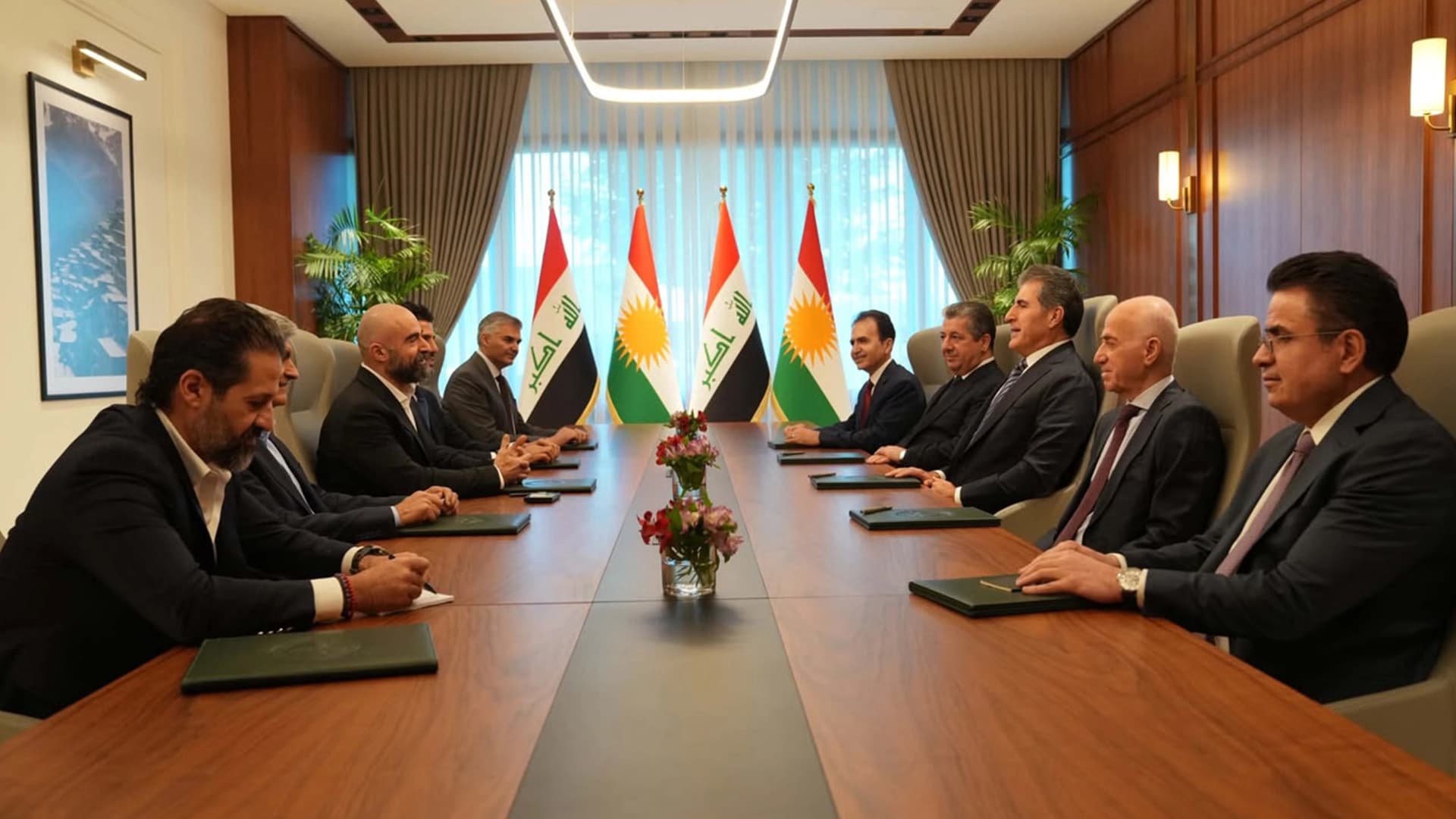
On Saturday, the Kurdistan Democratic Party (KDP) and the Patriotic Union of Kurdistan (PUK) agreed at a meeting in Sulaimani to adopt a unified position at talks in Baghdad on December 1.