
ERBIL, Kurdistan Region - The Iraqi government’s directives to place border crossings and oil fields inside and outside the Kurdistan Region under federal control are a “dangerous indicator” of disregard for federal principles, the Kurdistan Regional Government (KRG) said Wednesday, rejecting what it described as the “pre-planned” use of “military language” to undermine the Region’s constitutional position.
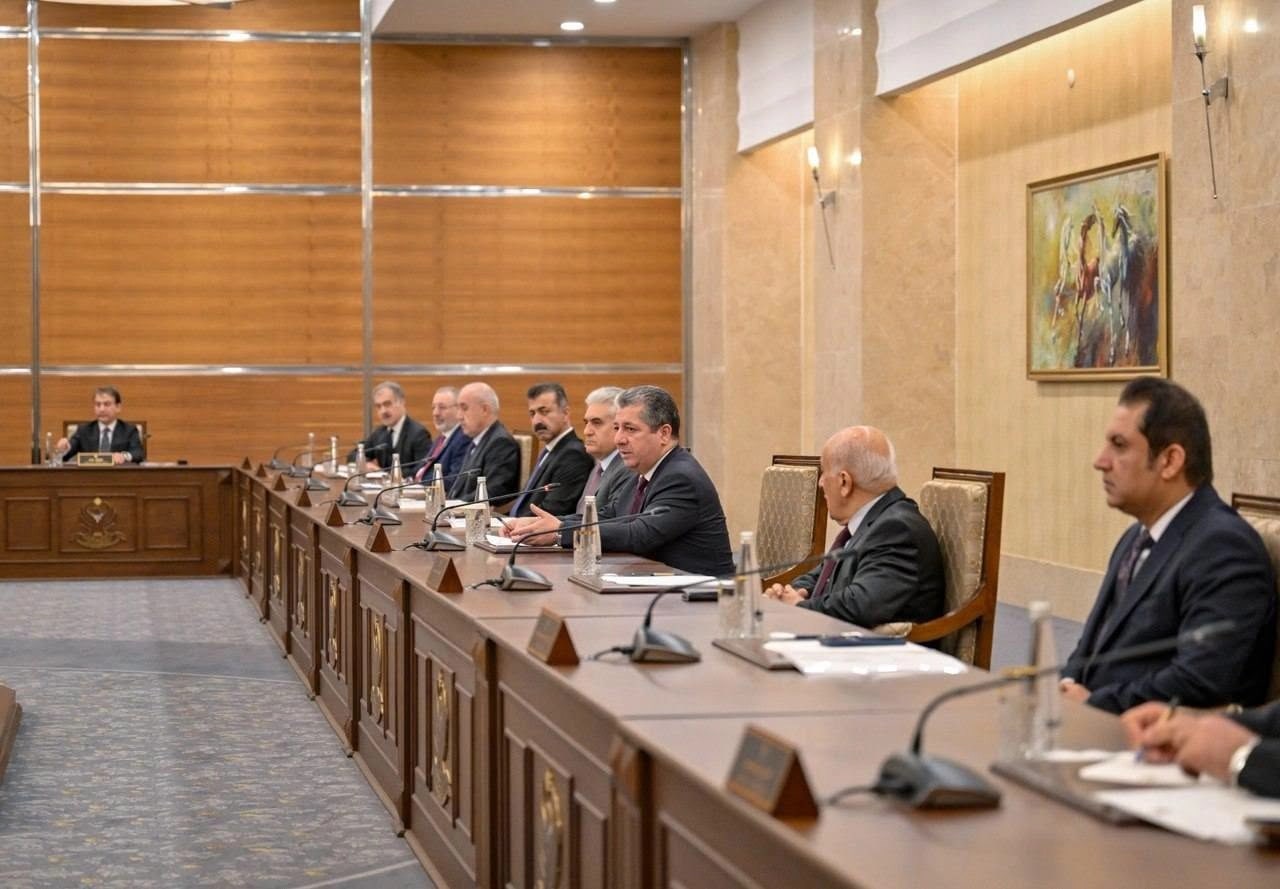
Following its regular meeting, the KRG Council of Ministers expressed its “utmost concern and objection” to a statement issued Tuesday by Iraqi Prime Minister Ali al-Zaidi’s spokesperson. In the statement, the prime minister ordered federal authorities to take control of oil fields secured by Kurdish forces in Kirkuk, Nineveh, Salahaddin and Diyala provinces, and instructed the Federal Border Ports Authority to assume control of the Kurdistan Region’s border crossings.
Zaidi also “instructed” the KRG to halt oil exports unless approved by the federal oil ministry.
The regional government said the move “constitutes a constitutional violation and an infringement on the constitutional rights of the Kurdistan Region entity.”
Meanwhile, Baghdad defended its position earlier on Wednesday, claiming that the actions stemmed from “its constitutional authority and legal responsibilities” rather than “encouragement, demand, or directives from any foreign authority.”
However, the KRG Council of Ministers slammed the move as a “dangerous indicator” to weaken the underpinning principles of federalism in the Iraqi Constitution and “an attempt to return Iraq to a centralized regime.”
It further said they “reject the use of military language and threats, which appear to be a pre-planned, long-standing scheme against the constitutional entity of the Kurdistan Region.”
Zaidi’s move came amid a probe about oil smuggling involving the North Oil Company, which oversees oil production and distribution across north, mid-northern, and western fields of the country, including the Kurdistan Region.
He said he will deploy Oil Ministry staff, Energy Police and national security to checkpoints on the approaches to Sulaimani, Erbil and Duhok, where new laboratories will test petroleum products bound for the three provinces. Zaidi also ordered nationwide rules for moving petroleum products, electronic meters at every operating oil well and a digital system to monitor pipelines for theft.
Parts of Nineveh, Kirkuk, Salahaddin, and Diyala are yet to be decided whether they fall under federal or KRG jurisdiction. Article 140 of the Iraqi Constitution addresses the issue by reversing demographic changes and Arabization campaigns by the toppled Ba’athi regime, conducting a census, and subsequently holding a referendum. The process had to be done by the end of 2007, but it faced frequent delays.
The KRG on Wednesday traced back the “root causes” of the outstanding issues between Erbil and Baghdad to the implementation of the constitution, “particularly” Article 140.
Zaidi’s move has drawn condemnation from Kurdish leaders and parties.
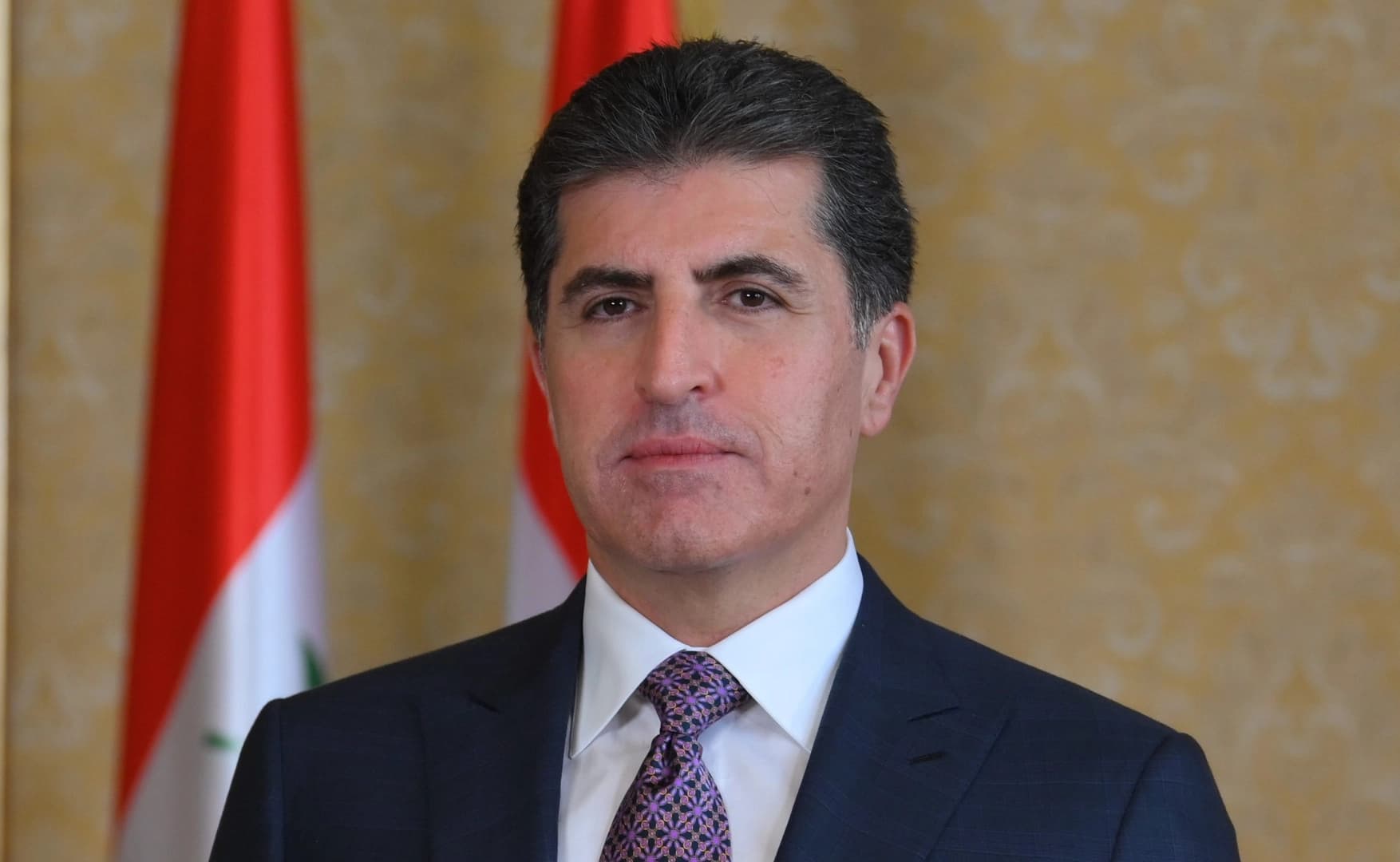
Kurdistan Region President Nechirvan Barzani said that while they support the Iraqi premier’s objective of combating corruption, resolving outstanding disputes "must be based on the constitution, respect for the constitutional entity and rights of the Kurdistan Region, and adherence to the principles of partnership and mutual understanding."
Masoud Barzani, leader of the Kurdistan Democratic Party (KDP), said disputes between Erbil and Baghdad cannot be resolved through "improper campaigns, unfounded allegations, and unilateral decisions."
KRG Prime Minister Masrour Barzani described the directives as “baffling” and “in no way acceptable.”
Bafel Talabani, leader of the Patriotic Union of Kurdistan (PUK), said corruption "weakens our institutions" and must be "confronted and its perpetrators held accountable decisively, wherever it occurs and whoever is responsible." However, he stressed the PUK's "full commitment to protecting our dignity, our land, and our constitutional status whenever necessary."
The KDP and PUK issued a joint statement earlier on Tuesday, saying undermining the political entity of the Kurdistan Region is a “red line.”