
ERBIL, Kurdistan Region - A target of exporting 400,000 barrels of oil per day, as stipulated in Iraq's draft 2027 federal budget bill, is an "idealistic scenario" that will be difficult to achieve without settling outstanding payments to oil companies and providing investment guarantees, the Kurdistan Regional Government's (KRG) deputy minister of natural resources said this week.
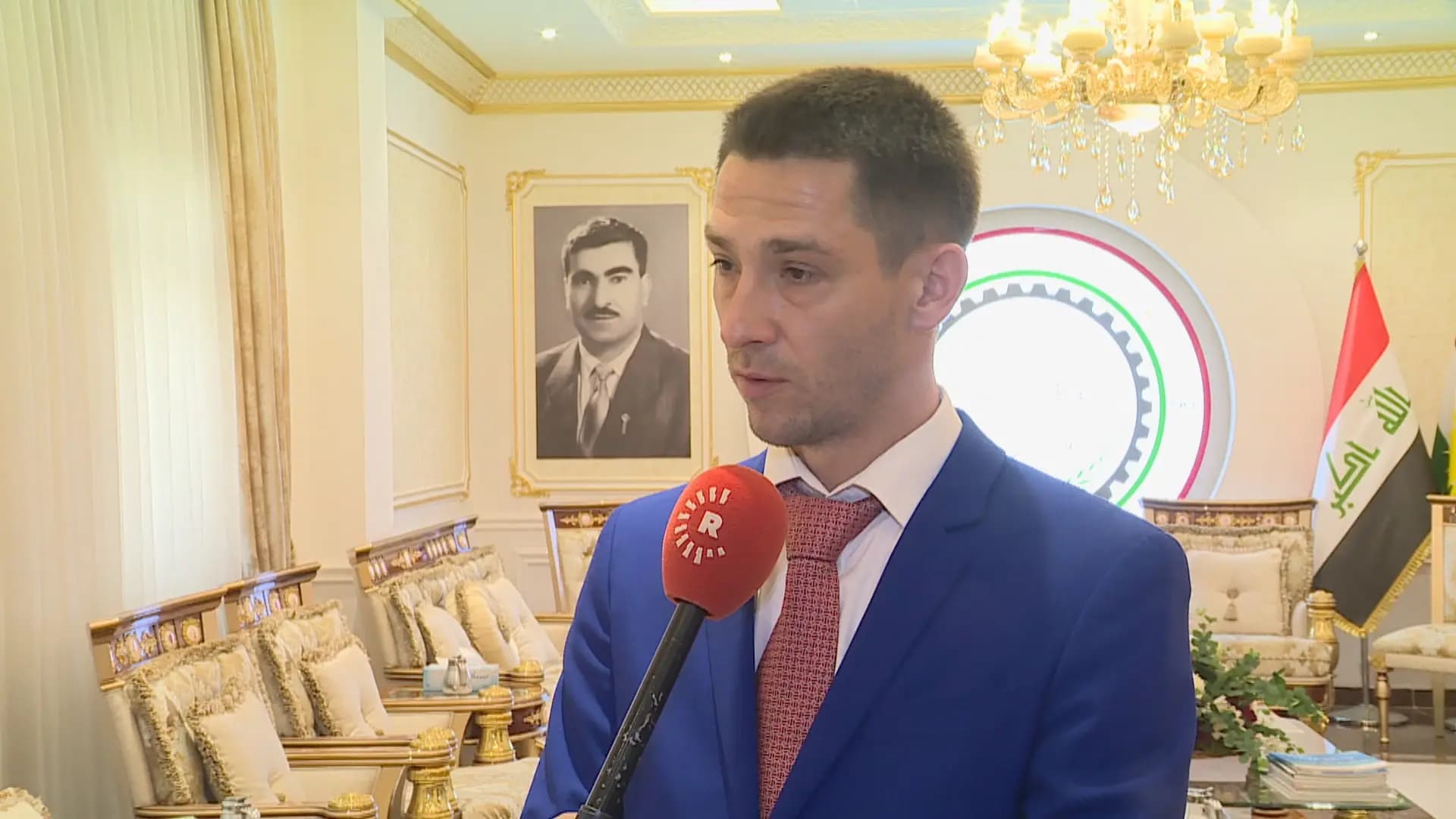
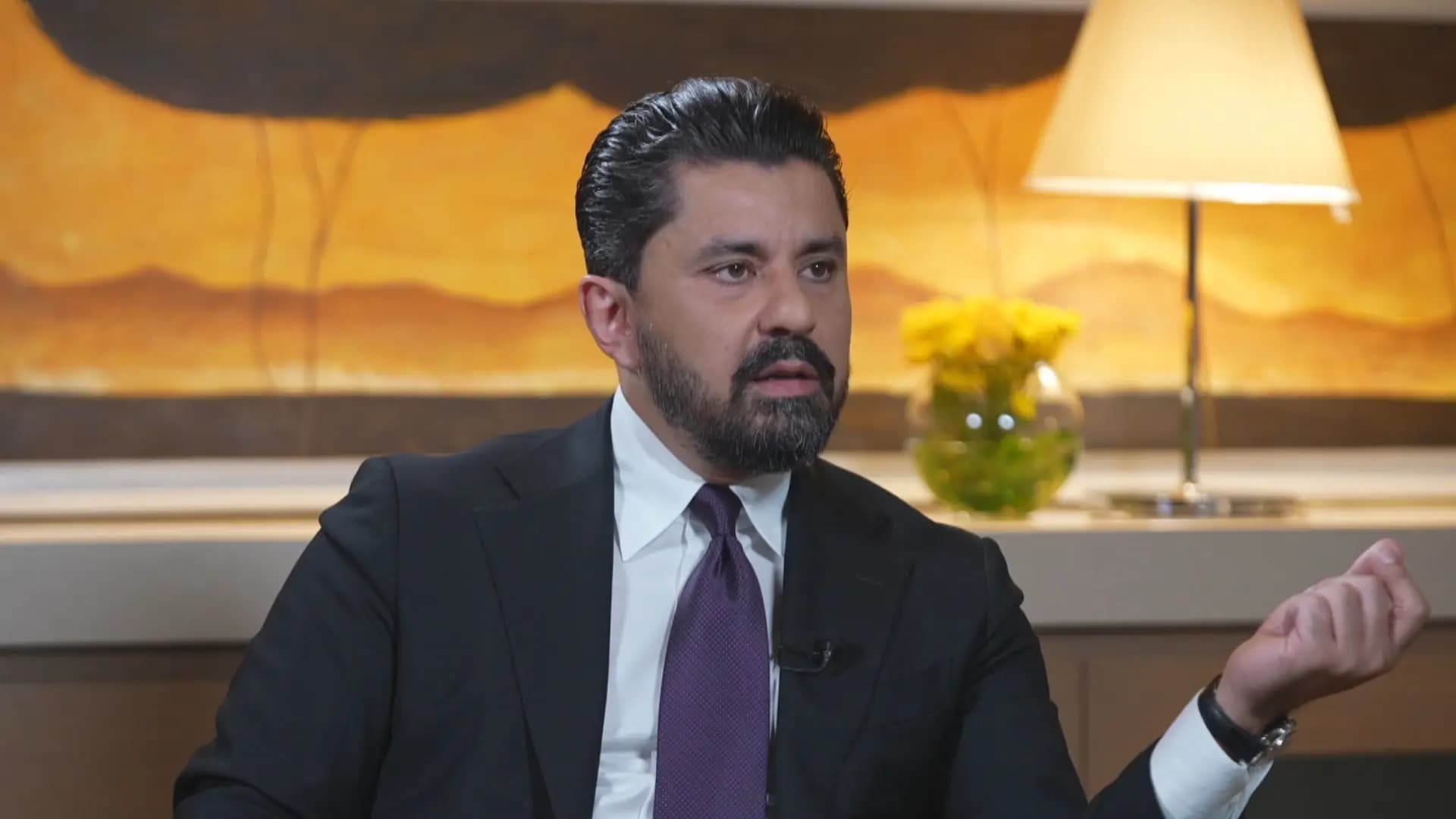
"To reach 400,000 barrels, companies must continuously receive their entitlements, and guarantees must be provided to the oil and gas sector as well as the companies in the Kurdistan Region," Ahmed Mufti told Rudaw’s Sangar Abdulrahman in an interview aired on Thursday.
“When a company invests here, it does so as foreign direct investment. It is a direct investment allocated from a foreign budget,” he added, referring to revenue-sharing contracts under which oil companies receive financial benefits from production.
“If those benefits are not provided, then investment will slow down.”
His remarks come as Erbil and Baghdad struggle to finalize the 2027 federal budget bill before submitting it to parliament for approval.
One of the main sticking points is the Kurdistan Region's oil export quota, with Baghdad demanding that Erbil double its exports from the current level of around 200,000 barrels per day (bpd) to 400,000 bpd.
The bill must be passed by parliament before the end of the year. Otherwise, Iraq will have to rely on baseline expenditures under the 2022-2024 budget law, as it did in 2025 after failing to pass a standalone budget.
In July 2025, Erbil and Baghdad agreed to market crude produced in the Kurdistan Region through Iraq's State Oil Marketing Organization (SOMO) as part of arrangements to secure the KRG's share of the federal budget.
However, Kurdish authorities have repeatedly called on Baghdad to settle an estimated $1 billion in outstanding payments owed to international oil companies (IOCs) operating in the Kurdistan Region.
Baghdad has resisted assuming the debt directly, prompting negotiations over alternative repayment mechanisms involving crude oil allocations.
In September 2025, Erbil, Baghdad and the IOCs reached a landmark tripartite agreement to resume exports of 200,000 to 250,000 bpd through SOMO.
The prolonged suspension of exports through the Iraq-Turkey pipeline, which carries the Kurdistan Region's crude to international markets, has also significantly reduced returns on investment for IOCs.
The pipeline was shut down in March 2023 amid disputes involving Erbil, Baghdad and Ankara, disrupting oil revenues and investment in the Region's energy sector.
Oil companies require additional capital to increase production, including investment in new wells and measures to maintain reservoir pressure in aging oil fields.
"For 2027, the Iraqi government has allocated hundreds of millions of dollars for investment in fields like Majnoon and Rumaila to increase their production levels, yet not a single dinar from the budget has been allocated for investment in the Kurdistan Region's oil production sector since 2007,” Mufti said Thursday.
Despite the challenges, some international oil companies have begun recovering outstanding payments.
British oil producer Gulf Keystone Petroleum (GKP) and ShaMaran Petroleum announced Thursday that Iraq had begun compensating international oil companies operating in the Kurdistan Region for shortfalls in payments on previous oil exports.