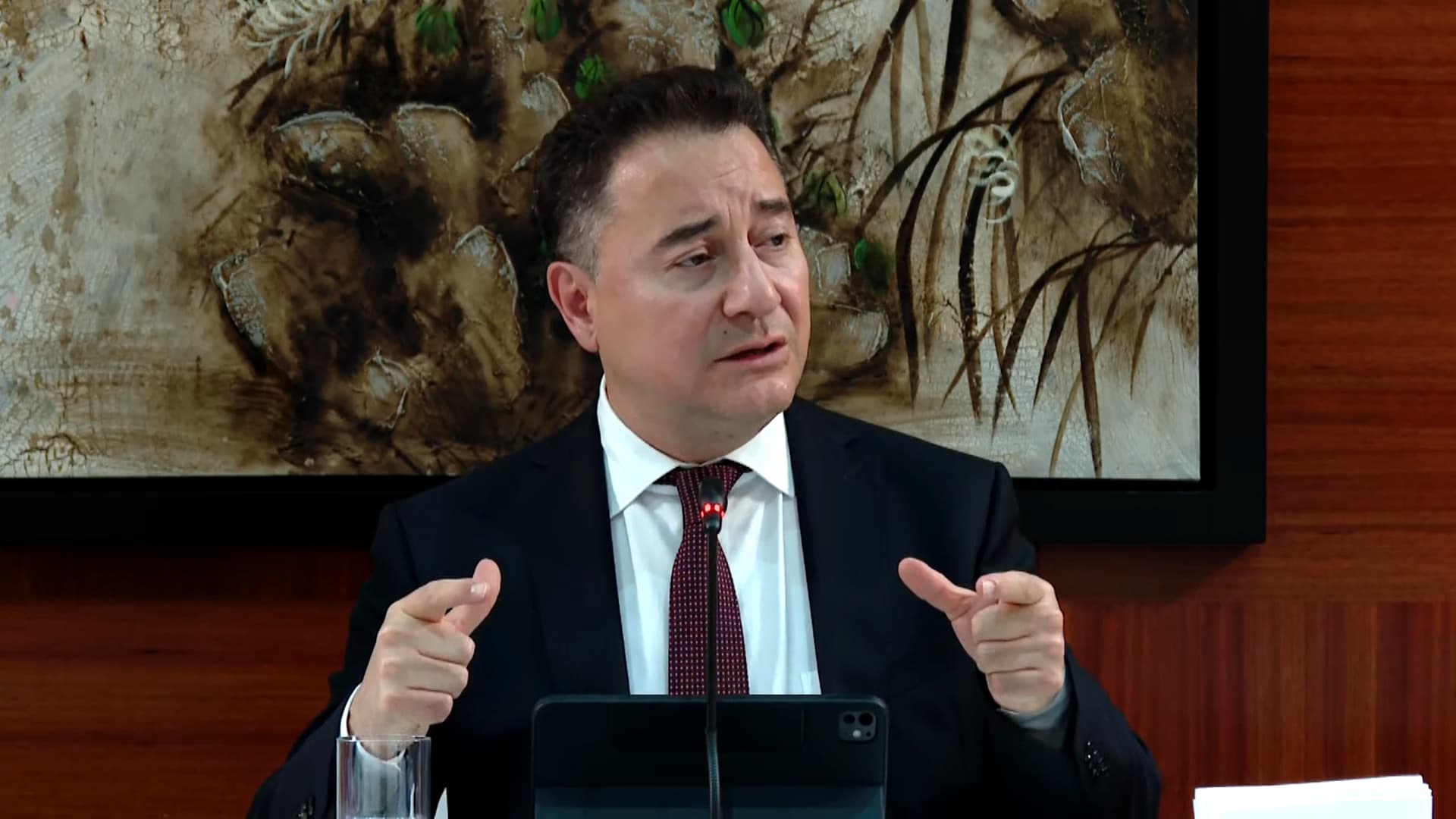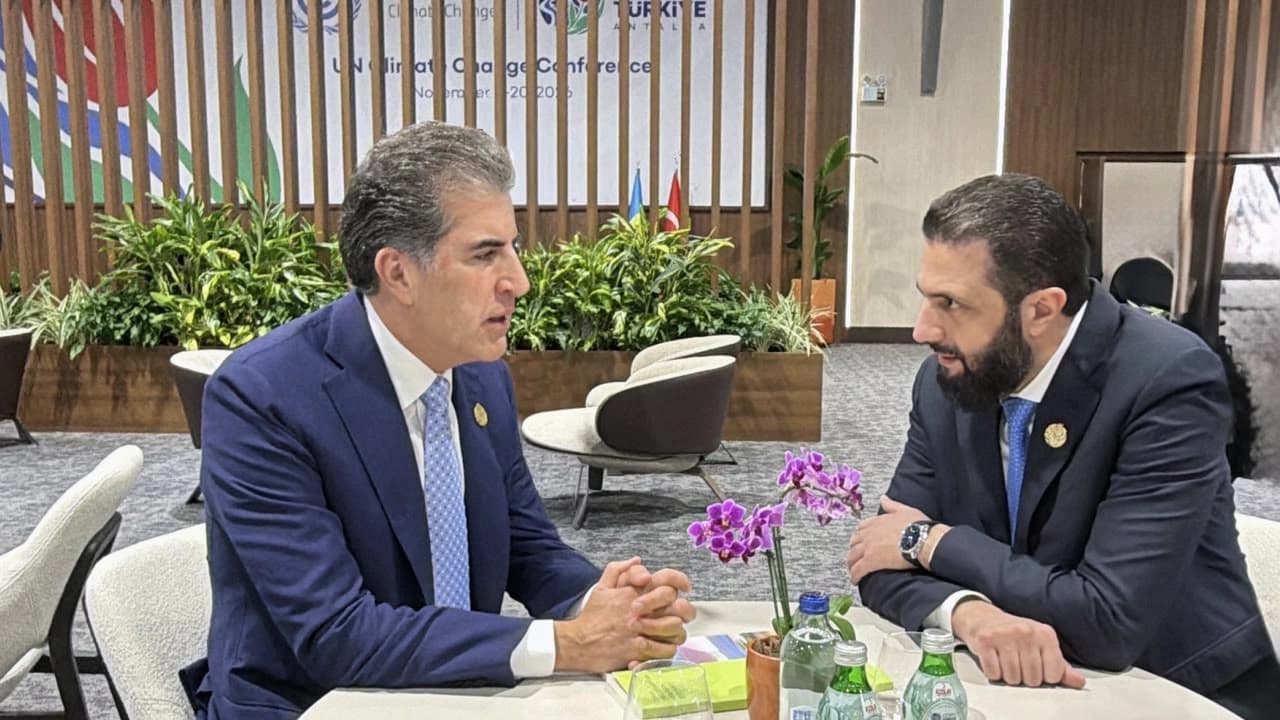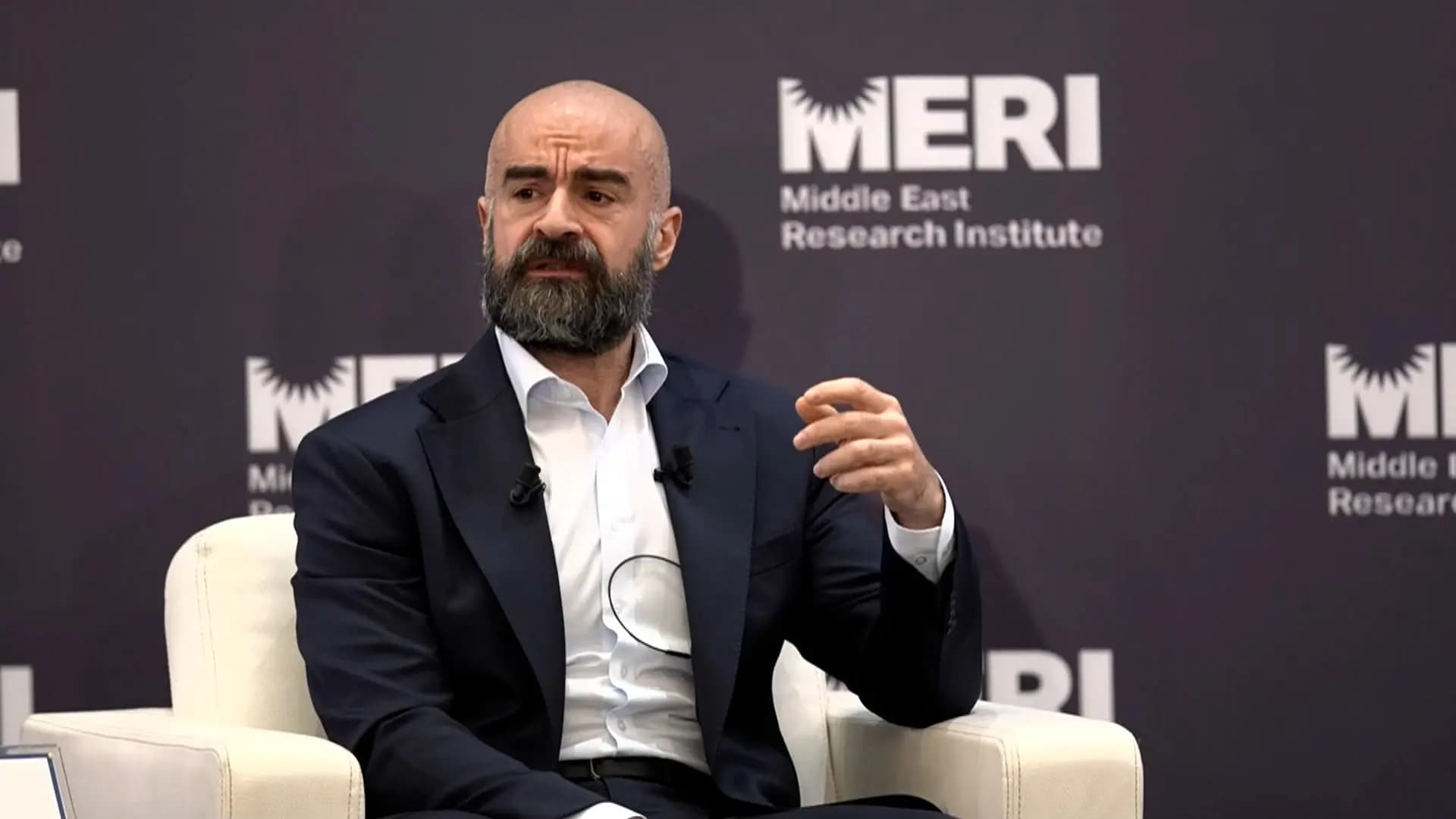

ERBIL, Kurdistan Region - Patriotic Union of Kurdistan (PUK) leader Bafel Talabani on Thursday rejected the latest call by ruling Kurdistan Democratic Party (KDP) President Masoud Barzani for dialogue, dismissing the offer as “an old trick,” as tensions climb between the Kurdistan Region's two ruling parties.
Talabani’s dismissal of the overture comes amid a growing chasm since the KDP reactivated the Kurdistan parliament last Wednesday at the objection of the PUK, resulting in the latter’s withdrawal from the Kurdistan Regional Government.
“In our opinion, and after a thorough study [of the matter], it was not serious. Messages for sitting down [to negotiate] and messages for diplomacy are not sent through the media,” he told reporters as he was leaving the Sulaimani Strategic Forum.
“We have each other's phone numbers, and our political bureaus are in contact with one another. Whenever someone officially requests a meeting, we will study it and respond,” he said, adding “nobody falls for that trick anymore.”
Talabani suggested that the public call could be intended to create grounds for blaming the PUK if negotiations do not take place.
“What we have understood from what was said in the media ... is that it serves as a pretext for a future step they intend to take, so that later they can say, 'Look, we asked to sit down and negotiate, and they didn't come,'” he said.
“These games are old; nobody falls for that trick anymore,” he added.
The remarks come three days after Barzani called on the PUK to sit down with the KDP to resolve their differences. “The interest of the people of Kurdistan is greater than any other interest or objective,” Barzani said.
Following the parliament’s resumption, the KDP declared its readiness to hold dialogue with the PUK, with spokesperson Mahmoud Mohammed saying the party was prepared to meet to “resolve issues and end the political crisis in the Kurdistan Region.”
The dispute has drawn comments from US Special Envoy for Syria and Iraq Tom Barrack, who on Wednesday urged Kurdish leaders to overcome their differences and strengthen coordination with Baghdad, saying the divisions were affecting the Region's stability and economic interests.
“I cannot go back to Congress and explain the complexity of the Iraqi constitution and the federalist delineation of the Kurdistan Region and how it dovetails with Baghdad, and then say besides that, we have a series of disputes of families within the Kurdistan Region that are subjecting our American companies and our international companies, who are the source of revenues to the entire region … to be subjugated to what's happening now,” he said.
Barrack made his comments during a Chatham House event in London, where he urged Kurdish leaders to “get over” what he deemed “tribal dismays,” stressing that resolving the disputes was an Iraqi matter rather than one for Washington to decide.
In a separate discussion at the Sulaimani forum, Talabani supported Barrack's assessment that the Kurdistan Region needed to resolve its internal problems.
“I couldn't agree with Mr. Barrack more. The KRG absolutely and categorically needs to sort itself out. And anything we can do to assist in this process, we are more than willing to do,” he said.
Talabani insisted that the Kurdistan Region was practically divided into two administrative zones in his speech, calling on Washington to either support the party’s effort to formally partition the region or stand aside as the PUK went for it.
“Everybody knows what goes on here; everybody knows the extent of corruption, the disdain for our civilians … we have, in effect, two administrations; in reality, we have two administrations,” he said.
The withdrawal of the PUK from the government has resurfaced fears of backsliding into a 'Two-Administrations' power-sharing arrangement between the two ruling parties. Between 1998 and 2006, the PUK administered Sulaimani and the KDP exercised jurisdiction over Erbil and Duhok, with both operating their own government and parliament while receiving a separate budget share from Baghdad.
Barrack on Tuesday said the “US supports a strong, united Kurdistan Region that reflects the Region’s diversity” following a meeting with Darbaz Kosrat Rasool, member of PUK’s Political Bureau, and Ahmed Mufti, deputy minister of KRG’s ministry of natural resources.
Meanwhile, Talabani also outlined plans for the PUK to take greater control of economic affairs in Sulaimani, including electricity, oil, and gas, saying the party would no longer wait for the KRG to address the needs of its people.
“Politically, we will not escalate. But financially we will no longer wait for KRG to help our people; we will start immediately," he said.
He specifically criticized the KRG's Runaki 24-hour electricity project, arguing that the electricity system allows private individuals to profit during a financial crisis.
“Electricity here will basically be non-profit. There is no reason for single people to make profit off our people freezing in the winter.”
Talabani also threatened to expel people involved in the electricity project, saying that after completing the necessary logistical and technical preparation, which he estimated would take several months, the PUK would “grab these people by the scruff of the neck and throw them across the border.” By the border he meant the territorial lines that separate PUK’s zone of control from KDP’s.