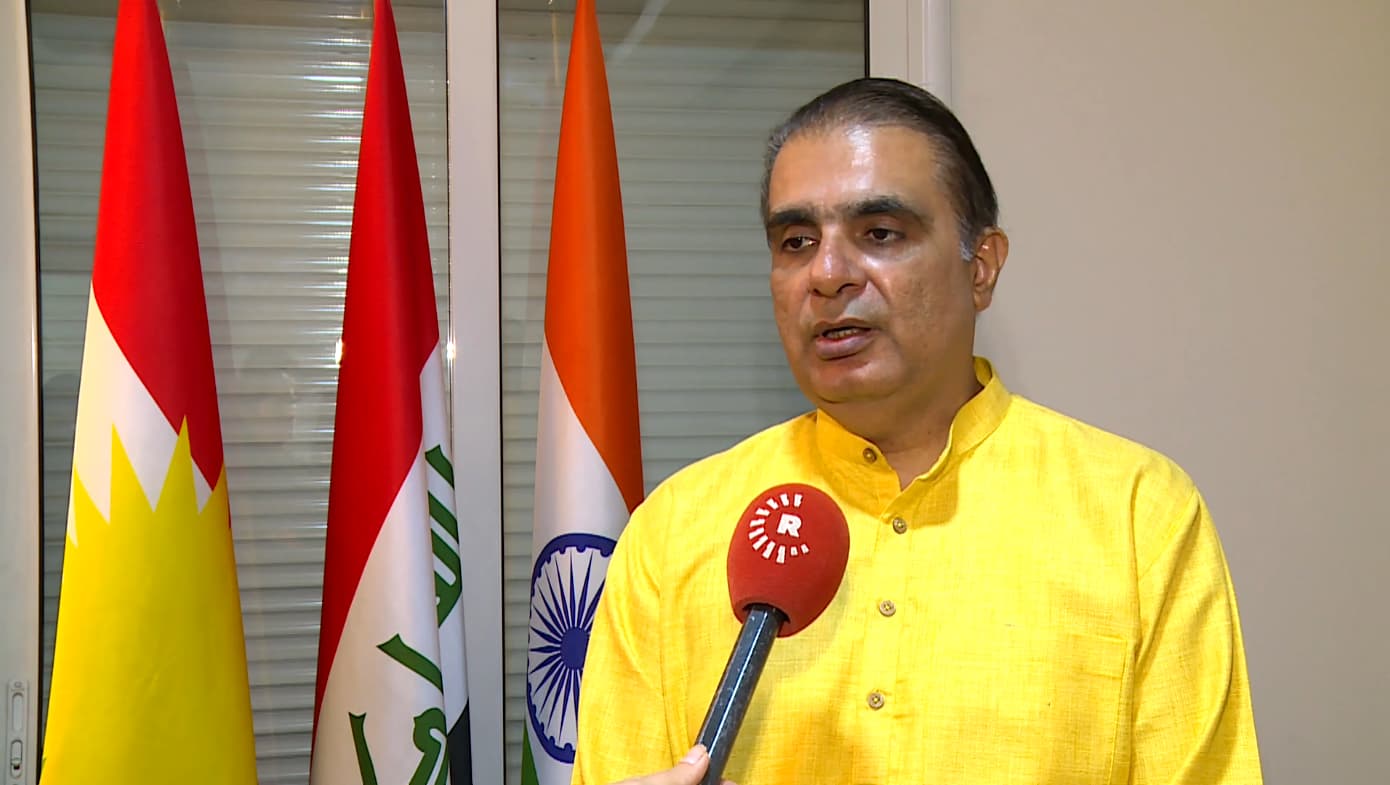

ERBIL, Kurdistan Region - The Kurdistan Democratic Party (KDP), the largest Kurdish bloc in Iraq and the Kurdistan Region's ruling party, ended a near two-year boycott of the Kirkuk provincial council on Tuesday, a senior KDP official in the province said, citing popular demand and the need for "joint work" during the current "delicate" stage.
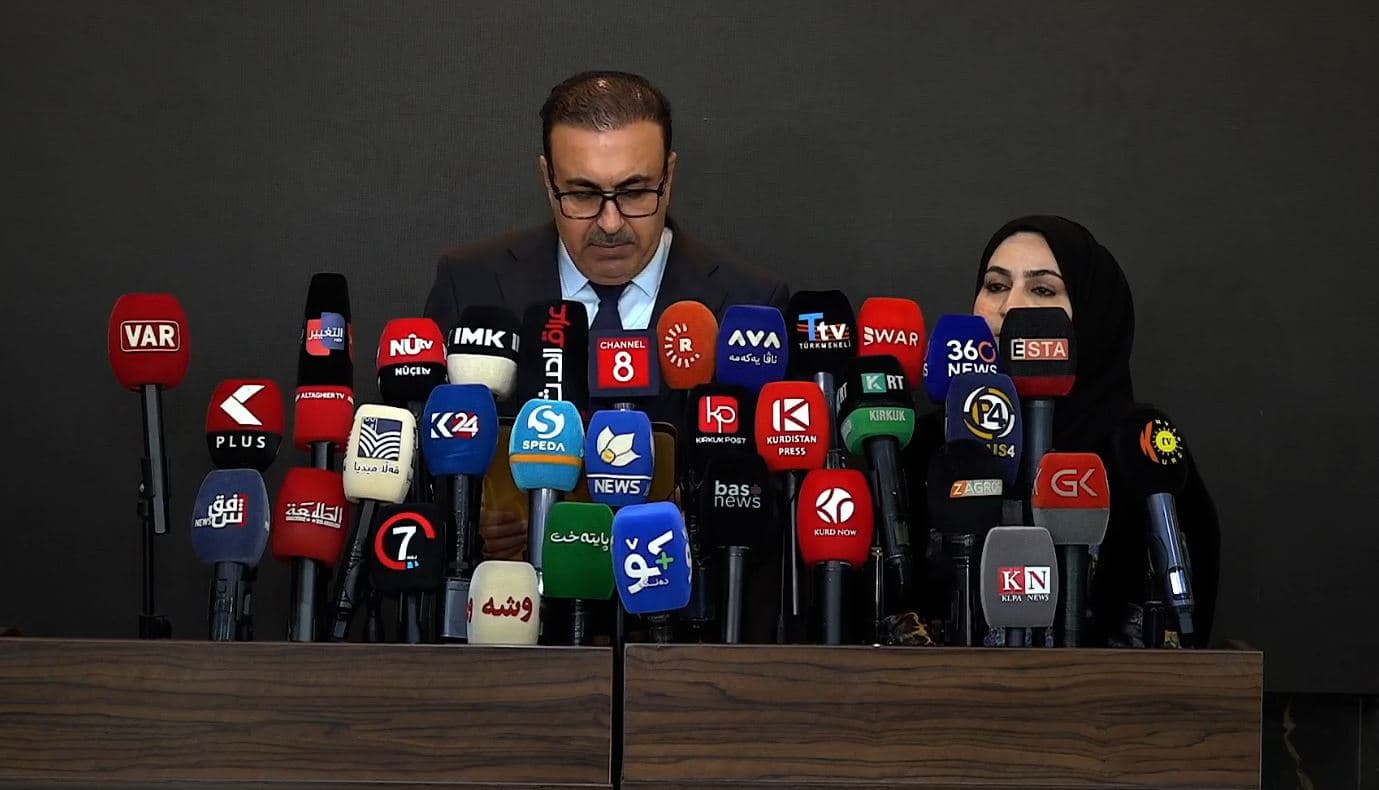
Following an "extensive and comprehensive review," the KDP's leadership decided the party was ready to assume its role on the council to "safeguard rights, combat corruption, and serve Kirkuk, including all of its ethnic and religious components without discrimination," Hasan Majid said at a press conference attended by Rudaw.
Majid had signaled a potential return to the Kirkuk council on Thursday, citing a "formal request" and intensified outreach from other political groups in the province.
"All the other parties reached out to us and submitted a signed formal request calling on the KDP to end its boycott," he told Rudaw, adding that the KDP would "make the right decision.”
The KDP had boycotted sessions of the Kirkuk provincial council since August 2024, when an eight-month deadlock following the 2023 provincial elections ended with the rival Patriotic Union of Kurdistan (PUK) forging an alliance with other parties and appointing its nominee, Rebwar Taha, as governor of Kirkuk.
The PUK, holding five seats, partnered with two Sunni-led Arab blocs holding three seats and the Christian Babylon Movement with one seat in what became known as the Rasheed Hotel meeting in Baghdad. Securing a nine-seat majority on the 16-member council, the bloc successfully elected the governor amid a broader agreement to divide provincial positions.
At the time, the KDP, holding two seats, alongside the three-member Arab Alliance and two-member Turkish-backed Iraqi Turkmen Front (ITF), rejected the agreement, citing politicking "behind closed doors," and the three blocs subsequently boycotted the sessions.
Over time, the Arab Alliance and the ITF ended their boycotts and returned to council sessions, while the KDP remained the only party boycotting.
In April, when the council convened with 14 of 16 members present to execute the next phase of the Rasheed Hotel agreement, appointing Mohammed Samaan Agha of the Turkmen front as governor, after the PUK’s Taha submitted his resignation.
The KDP then rejected Samaan Agha’s appointment as a continuation of the political maneuvering which “undermines the will of voters and the future of Kirkuk’s residents.”

.jpg&w=3840&q=75)