
ERBIL, Kurdistan Region - The United States on Saturday reaffirmed its support for "a strong and resilient" Kurdistan Region amid escalating political tensions between the Region’s two main ruling parties over the reactivation of parliament and the formation of a new government.
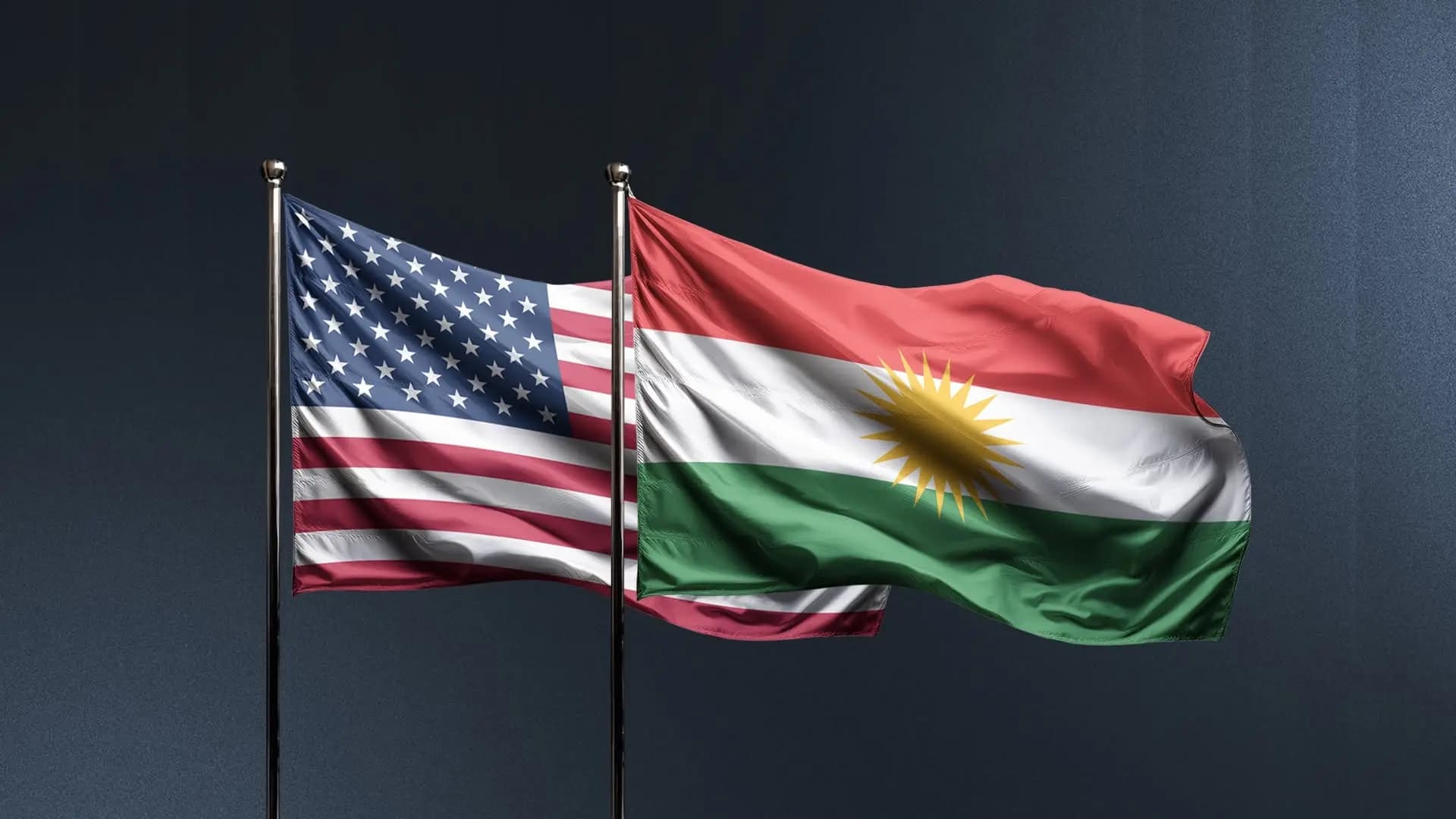
“The United States supports a strong and resilient Iraqi Kurdistan Region, which remains a foundational pillar of the broader U.S.-Iraq relationship,” a State Department spokesperson told Rudaw.
“We encourage all parties to work swiftly and constructively on matters that strengthen the region’s institutions,” the spokesperson added, reiterating Washington’s commitment to its partners across Iraq.
“The United States is committed to our partners across Iraq who are working to build a truly sovereign, stable, and prosperous country,” the spokesperson said.
The statement comes amid escalating tensions between the Kurdistan Region’s two main ruling parties, following the Kurdistan Parliament’s resumption of proceedings on Wednesday after nearly two years of legislative paralysis.
The legislature elected its presidency during the long-delayed session, with 52 lawmakers attending, narrowly meeting the 51-member quorum required in the 100-seat parliament. The session was convened through a Kurdistan Democratic Party (KDP)-led initiative backed by several minority representatives, smaller parties and lawmakers who broke ranks with their political groups, including three PUK members.
A day later, Patriotic Union of Kurdistan (PUK) leader Bafel Talabani announced his party’s decision to withdraw from the Kurdistan Regional Government (KRG) cabinet in protest against the parliament’s reactivation without the PUK’s participation.
“This government has failed. Therefore, the first decision of the PUK leadership following this thing [parliament reactivation] is that we will immediately withdraw from this failed government, which calls itself the government of Kurdistan,” Talabani said in a video message on Thursday.
He also pledged to redirect his party’s resources towards providing services to residents in areas under its influence, particularly Sulaimani and Halabja provinces.
The PUK has rejected the parliament’s reactivation, declaring the legislature illegitimate and urging political parties to boycott its proceedings. Talabani said his party would not recognize the parliament and that its reactivation would not succeed.
The latest developments have further deepened a protracted power-sharing dispute between the PUK and its longtime rival, the KDP, which has stalled the formation of the tenth KRG cabinet following the October 2024 parliamentary elections.
During the Wednesday reconvening of the parliament, lawmakers unanimously elected KDP politician Vala Farid as speaker, Christian quota representative Rami Noori as deputy speaker and Turkmen quota representative Muna Qahwachi as parliament secretary.
The KDP, which secured 39 seats in the 2024 election, has maintained that parliament should resume its legislative work independently of negotiations over the next regional government. The PUK, which won 23 seats, has insisted that an agreement on key government positions must precede the legislature's return.
The two parties have traditionally shared power in the Kurdistan Region, but disagreements over the distribution of senior positions, including the premiership and other key cabinet posts, have complicated negotiations.
The PUK had described the parliament's reactivation as “illegal, far removed from the principles of genuine partnership, and it is an attempt to impose the will of a single party.”
The KDP, meanwhile, has defended the move as a legitimate democratic process, arguing that resuming parliament was not directed against any political party.