
ERBIL, Kurdistan Region - The Kurdistan Islamic Union (KIU) said on Saturday that its mediation efforts have brought the ruling Kurdistan Democratic Party (KDP) and the Patriotic Union of Kurdistan (PUK) closer to a long-awaited summit aimed at breaking the political deadlock over the formation of the Kurdistan Regional Government's (KRG) next cabinet.
"The KDP and PUK have responded positively to our initiative. If the meeting takes place, those parties that hold blocs in the Kurdistan Parliament will also participate," KIU spokesperson Salahuddin Babakir told Rudaw.
Babakir said the proposed summit should focus on resolving the political stalemate.
"The purpose of the meeting must be to break the political deadlock, and suitable procedures must be established in that meeting for reactivating parliament and forming the new government cabinet," he said.
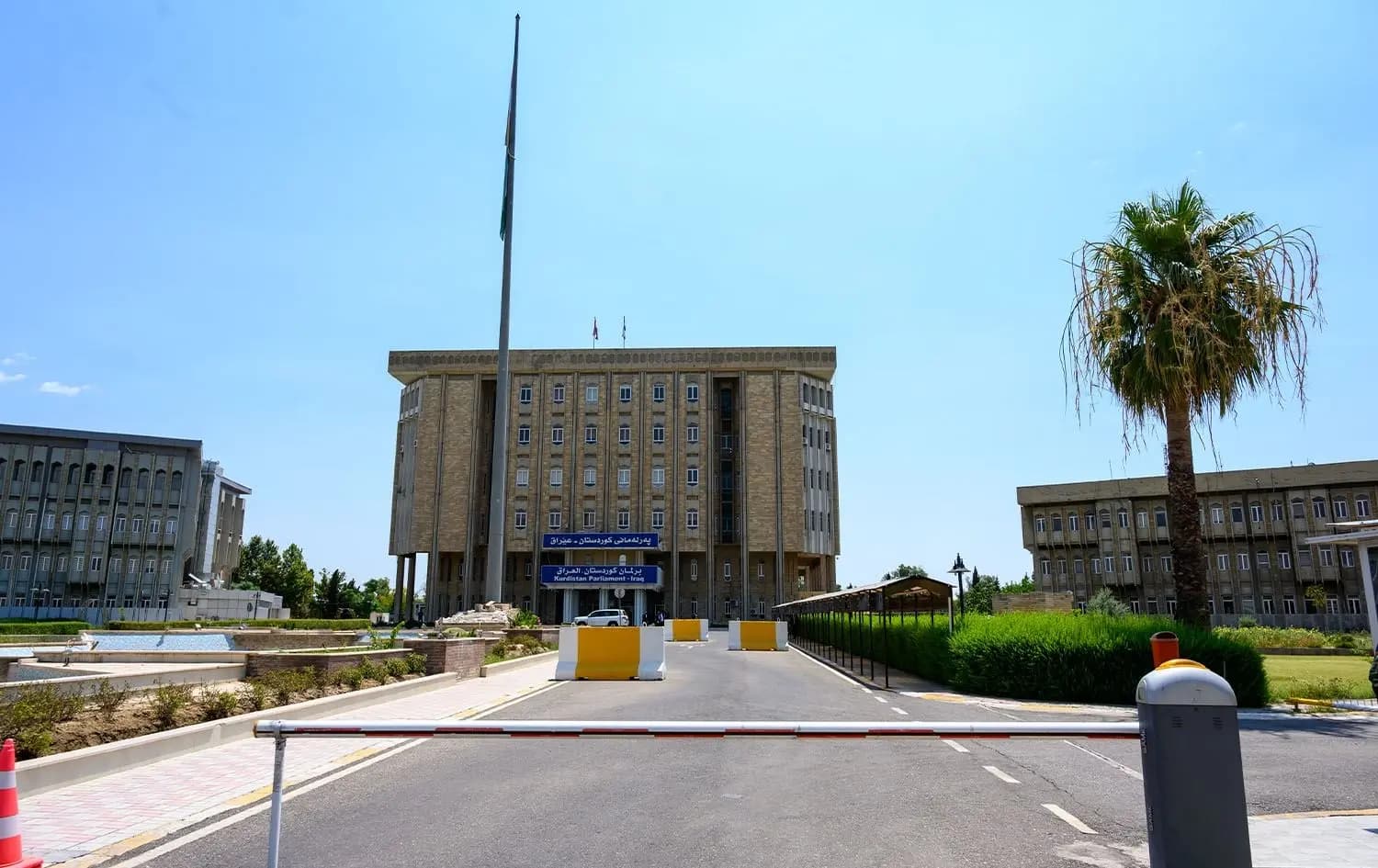
The anticipated meeting comes more than a year and a half after the Kurdistan parliamentary elections, with the KDP and PUK still unable to reach an agreement to form a governing coalition, reactivate parliament, and establish the KRG's tenth cabinet. Parliament has convened only once since the election, for members to take the constitutional oath, and has yet to elect its leadership.
The political deadlock between the two parties comes as they have failed to form the Region’s tenth cabinet, even 20 months after the elections were held.
The KDP won 39 seats, and the PUK held 23 in the elections, with neither side able to secure an absolute majority. With both sides reportedly presenting irreconcilable demands, the formation of the KRG cabinet has yet to take place.
Speaking to Rudaw on Saturday, PUK leadership member Pola Talabani said the party supports efforts to end the impasse but wants changes to the existing power-sharing framework.
"We support every effort that leads to reactivating parliament and forming a new government cabinet, but we want a review of power-sharing so that the mistakes and shortcomings of the past are not repeated," he said.
Talabani added that while the PUK is ready to meet, "the KDP, as the first-place winner, must show flexibility, and we are waiting for them to take the initiative."
The KDP rejected suggestions that it has not taken sufficient steps, saying it has repeatedly sought dialogue.
"Within the framework of protecting the Kurdistan Region's entity and the public interest, the KDP has taken the initiative several times and called on the parties to meet," KDP Central Committee member Hiwa Gailani told Rudaw.
"The KDP has often waived its own rights, but this time the issue concerns legal and constitutional rights," he added.
Gailani pointed to previous invitations by KDP leader President Masoud Barzani during Eid al-Adha and calls by the party's Political Bureau for parliament to convene, saying these moves demonstrate the party's willingness to engage.
"The ground is now suitable for a meeting; I am optimistic and believe we can meet soon," he said.
Disagreements between the ruling parties largely culminated in the division of senior positions as well as governance structures in the Kurdistan Region.
KIU’s leader, Salahaddin Bahaaddin, began an initiative in late April to bring the KDP and PUK to the negotiating table.
PUK seeks to get either the premiership or the Region’s presidency in addition to key ministerial posts, including the ministers of oil and interior - posts that have been traditionally held by the KDP.
However, what further strained their relations was PUK’s decision to collude with the New Generation Movement (NGM), an opposition party with 15 seats, in February 2025 and thus enter negotiations with the KDP as a single bloc with 38 seats.
The PUK and NGM officially signed the agreement in early July. In its preamble, both parties stressed that the purpose of the agreement is “to restore balance and reorganize the balance of power in the political landscape of the Kurdistan Region.”
The KDP views the coalition as an attempt to undermine its influence and weaken its hold on power. It has categorically rejected the agreement, stressing that it will not engage in government formation talks with the group as a single bloc, but only with its individual parties separately.