
ERBIL, Kurdistan Region - The United States on Saturday reaffirmed its support for a federal Iraq and a stable and prosperous Kurdistan Region, calling for outstanding disputes between Erbil and Baghdad to be resolved through dialogue and in accordance with the Iraqi constitution, amid escalating tensions over oil and border management.
“The United States supports a sovereign, united, and federal Iraq, and a stable and prosperous Iraqi Kurdistan Region within it. We support the resolution of outstanding issues between Baghdad and Erbil through dialogue and consistent with the Iraqi Constitution,” a State Department spokesperson told Rudaw’s Diyar Kurda.
The remarks come a day after US President Donald Trump expressed support for Iraqi Prime Minister Ali al-Zaidi’s efforts to consolidate state authority across Iraq, combat oil smuggling and corruption, and bring all weapons under exclusive state control. Trump did not explicitly address the ongoing dispute between Erbil and Baghdad.
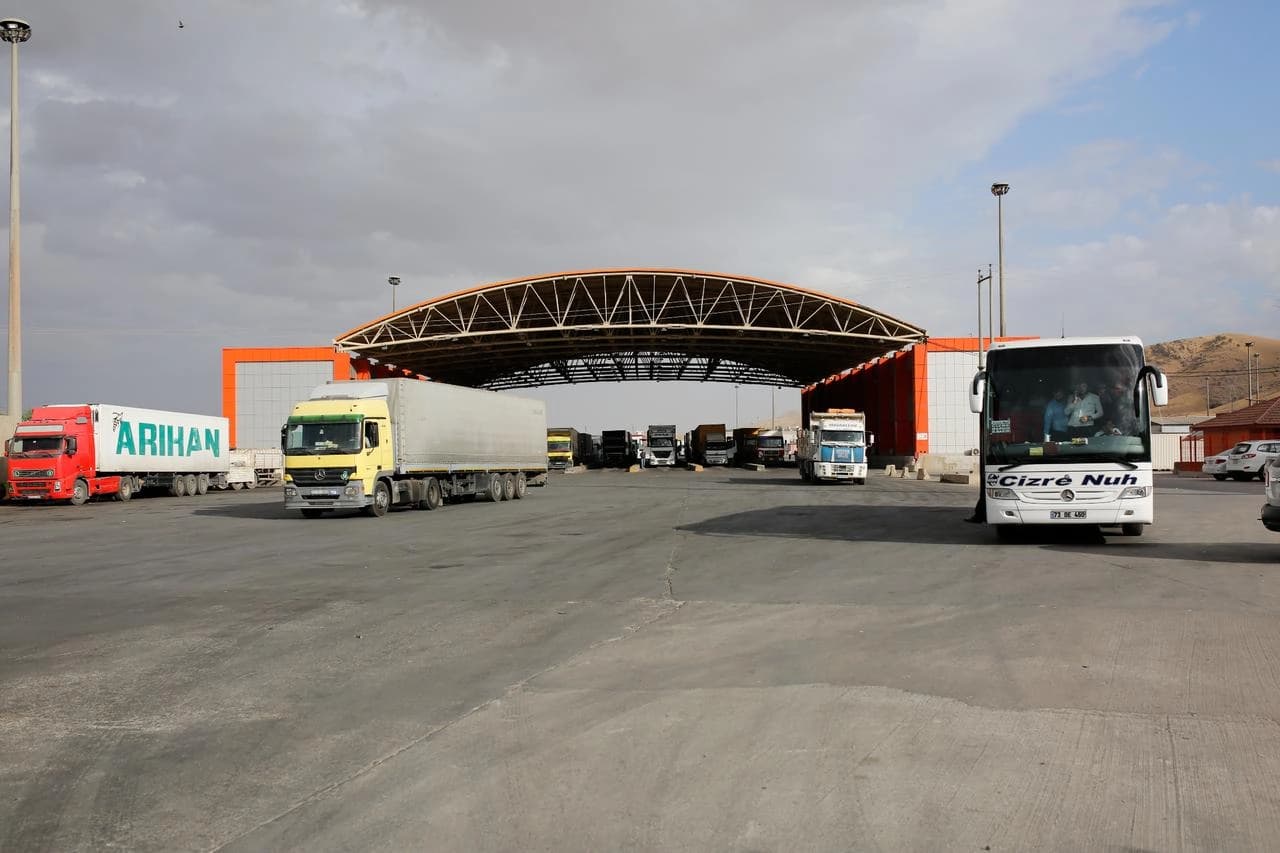
On Tuesday, Zaidi ordered federal authorities to assume control of all border crossings in the Kurdistan Region and take over the management of oil fields under Kurdish security control in Kirkuk, Nineveh, Diyala and Salahaddin provinces, following an investigation into suspected oil smuggling involving the state-owned North Oil Company.
Iraq’s Federal Supreme Court on Wednesday affirmed Baghdad’s authority to deploy federal forces along international borders, including those within the Kurdistan Region, lending legal backing to Zaidi’s measures.
Kurdish leaders have strongly rejected the directives, describing them as unconstitutional and warning against efforts to return Iraq to a centralized system of governance. The Kurdistan Democratic Party (KDP) and Patriotic Union of Kurdistan (PUK) issued a rare joint statement rejecting any infringement on the Region’s constitutional rights.
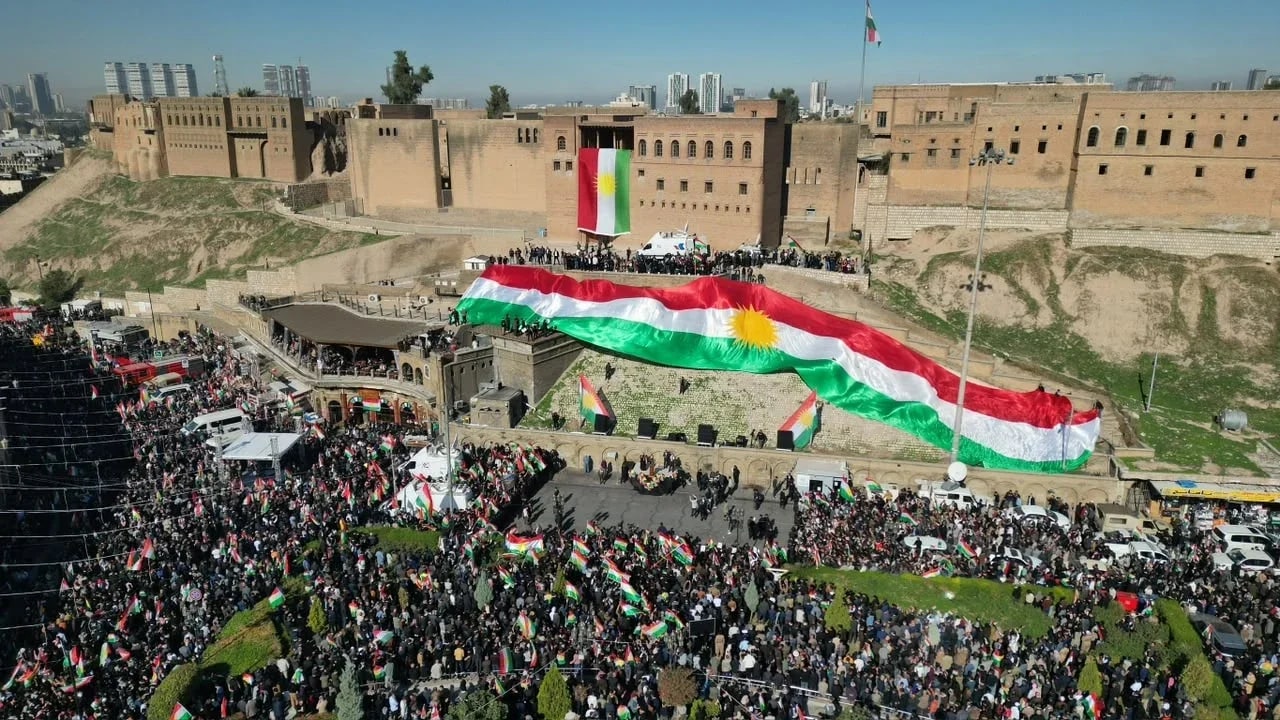
Thousands of people have taken to the streets across the Kurdistan Region in recent days to protest Baghdad’s measures.
US envoy to Iraq and Syria Tom Barrack on Wednesday offered to mediate between Erbil and Baghdad, urging Zaidi to rule out military action, sources familiar with the discussions told Rudaw.
Former senior US State Department official Victoria Taylor on Friday criticized Trump’s statement, warning that Washington’s apparent siding with Baghdad could undermine its credibility as a mediator and jeopardize upcoming negotiations between Iraqi and Kurdish leaders.
Iraq’s four top leaders on Wednesday endorsed a national dialogue initiative proposed by Supreme Judicial Council President Faiq Zidan, with talks scheduled for December 1 to address what Baghdad has described as a constitutional crisis.
Despite mounting tensions, Iraqi government spokesperson Haider al-Aboudi on Friday denied in an interview with Rudaw that relations between Erbil and Baghdad were in crisis, defending the federal measures as necessary to combat oil smuggling and protect Iraq’s national wealth.
The latest escalation comes against the backdrop of years of disputes between Erbil and Baghdad over oil exports, federal budget allocations, customs revenues and the status of disputed territories, whose fate remains unresolved under Article 140 of the Iraqi constitution.