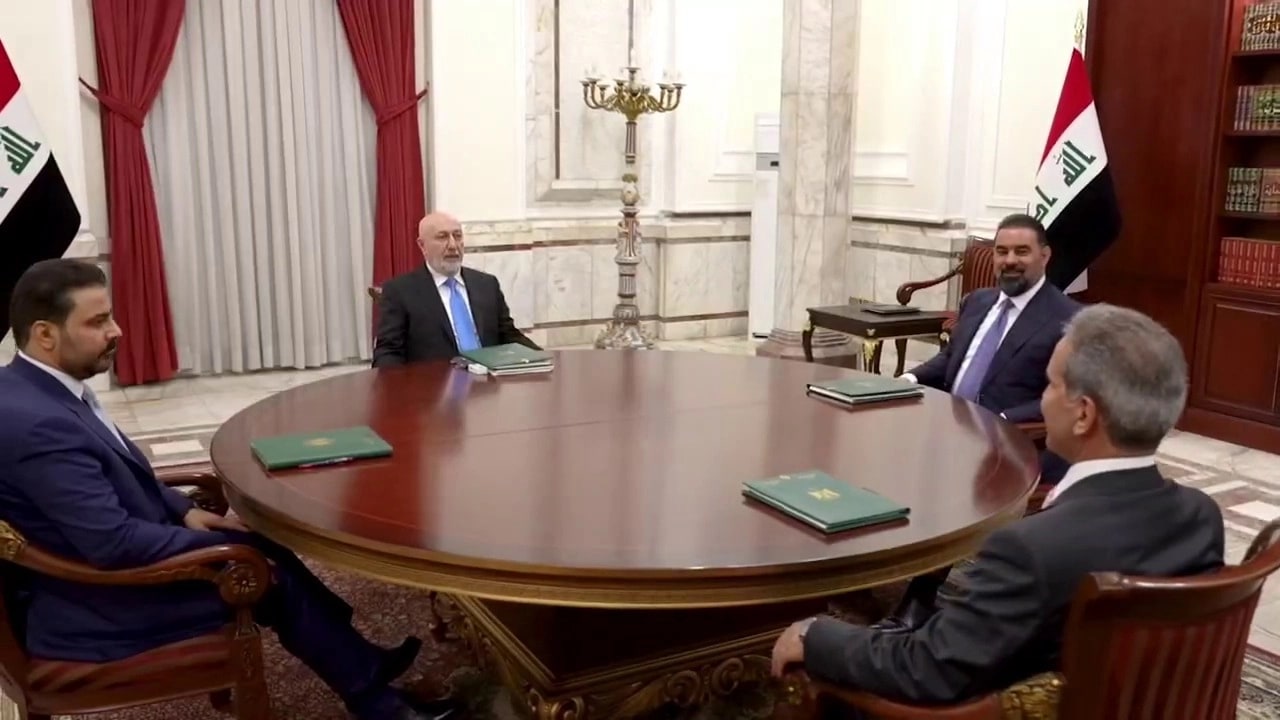

ERBIL, Kurdistan Region - Four Iraqi top leaders on Wednesday welcomed an initiative to hold a national dialogue on December 1 to resolve what Baghdad described as a “constitutional crisis” between the federal government and the Kurdistan Regional Government (KRG), amid mounting tensions over recent federal measures that Kurdish leaders say undermine the country's federal system.
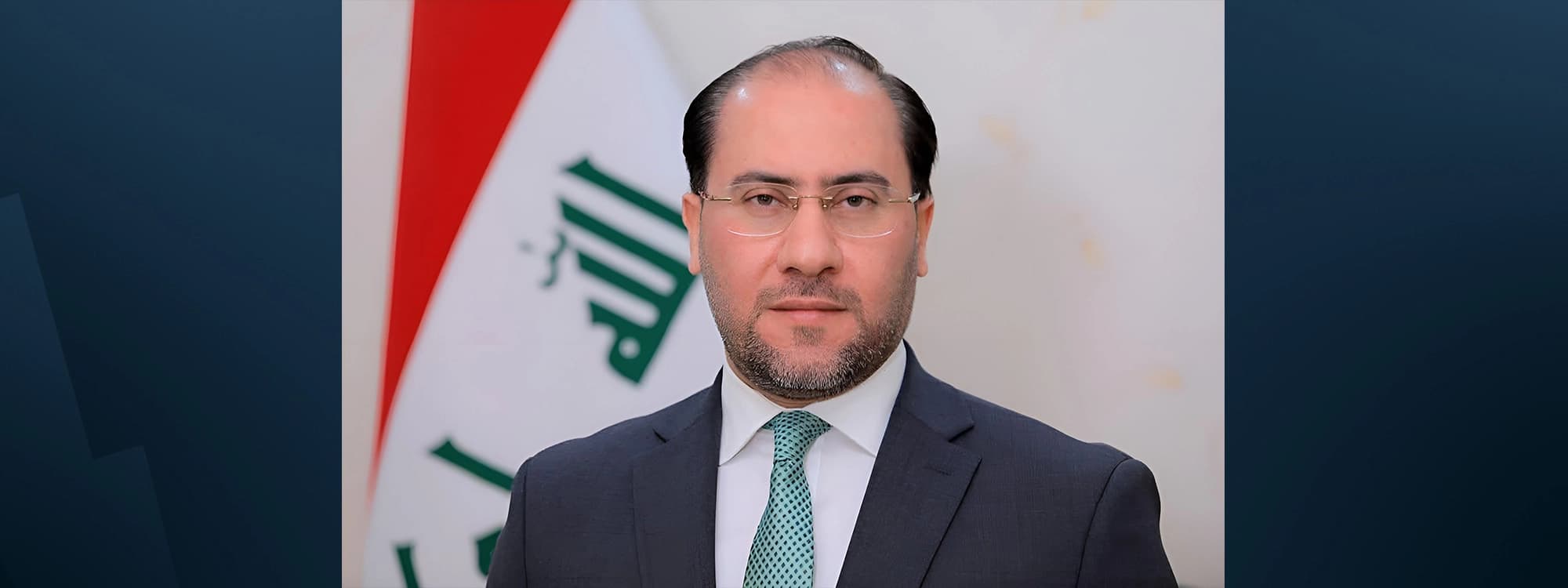
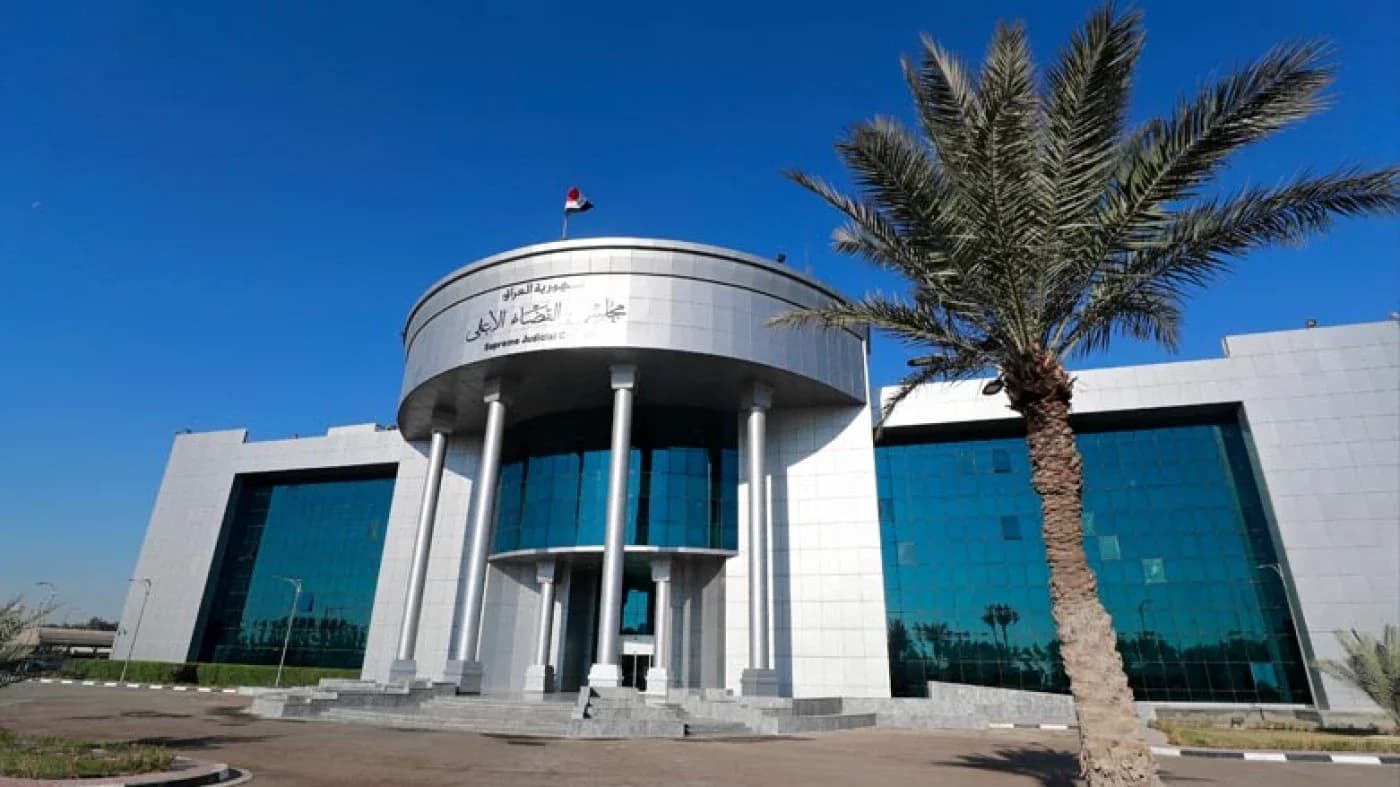
Iraqi Prime Minister Ali al-Zaidi attended the meeting alongside President Nizar Amedi, Parliament Speaker Haibat al-Halbousi and Supreme Judicial Council President Faiq Zidan.
The initiative, proposed by Zidan, will bring together the four presidencies and relevant parties under his auspices to resolve the crisis between Erbil and Baghdad and find solutions “in accordance with the constitution,” according to a statement from the prime minister’s office.
The meeting comes amid escalating tensions following a series of measures by Zaidi’s government concerning oil fields, border crossings and security arrangements, which Kurdish leaders view as an attempt to subvert the Kurdistan Region’s constitutional powers.
The KRG has strongly rejected Baghdad’s measures, warning against attempts to return Iraq to a centralized system of governance, more than two decades after the country adopted a federal constitution following the overthrow of Saddam Hussein’s regime.
The Kurdistan Democratic Party (KDP) and the Patriotic Union of Kurdistan (PUK) on Tuesday issued a rare joint statement, rejecting attempts to undermine the Region’s constitutional rights and stressing that the Kurdistan Region has never demanded more than what is stipulated in the Iraqi constitution.
The escalating dispute comes as the Kurdistan Region’s ruling parties have yet to reach an agreement on forming a new cabinet, more than two years after the October 2024 parliamentary elections.
Mustafa Hijri, secretary-general of the Democratic Party of Iranian Kurdistan, warned on Wednesday that the Kurdistan Region was facing some of the most dangerous threats in its history, attributing part of the crisis to internal political rivalries.
“The Kurdistan Region can only be protected through unity,” Hijri said, urging Kurdish leaders to expedite government formation and confront the challenges with a unified position and through legal mechanisms.
Wednesday’s meeting also stressed the importance of expediting the approval of the 2027 federal budget and continuing negotiations to safeguard the rights of all provinces in accordance with constitutional and legal provisions.
The four leaders emphasized the need to diversify state revenues amid continuing regional tensions and fluctuations in global oil exports.
They also praised the government’s recent measures in Jurf al-Sakhr, also known as Jurf al-Nasr, a longtime stronghold of the Iran-aligned paramilitary faction Kata'ib Hezbollah in Babil province, south of Baghdad, stressing the importance of coordination between security forces to strengthen state authority.
Zaidi’s government has recently intensified efforts to combat oil smuggling and assert federal authority in the area, dismissing several senior security and administrative officials following an investigation into smuggling operations.
The four leaders also expressed support for government efforts to combat corruption and prosecute those involved in oil smuggling, pledging to facilitate the safe and dignified return of internally displaced Iraqis to their areas of origin.