
ERBIL, Kurdistan Region - Iraq’s embassy in Libya announced on Wednesday that it located eight migrants who had entered the country illegally, following an investigation into missing nationals with whom contact had been lost, as the embassy intensifies its investigation into missing Iraqi migrants in Libya.
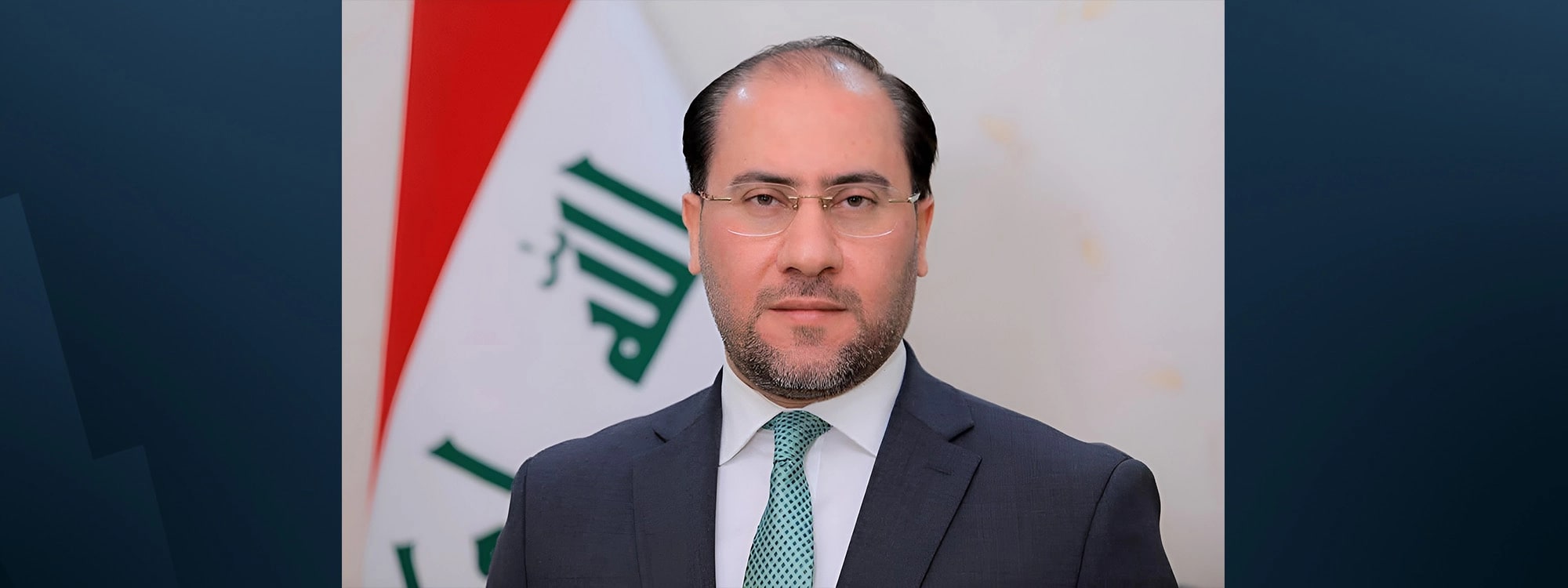
"The embassy's extraordinary efforts revealed their fate, received them at its premises, and initiated procedures to verify their citizenship and issue them travel documents in preparation for their voluntary return to their families," Ahmed al-Sahhaf, charge d'affaires of the Iraqi embassy in Libya, told the state-run Iraqi News Agency (INA).
"We are coordinating with the relevant authorities in Tripoli to complete their voluntary return," Sahhaf added, noting that humanitarian, health and consular services are provided to the migrants immediately upon their arrival at the embassy building.
The development comes after Sahhaf announced on Saturday that the embassy had "succeeded in voluntarily returning two Iraqi migrants to the country, bringing the total number of migrants we have repatriated to 410," without specifying the time period.
He urged Iraqi families not to engage with human smuggling and trafficking networks due to the “grave dangers” posed to their children's lives and the resulting legal accountability.
More than 500 migrants have been repatriated from Libya to the Kurdistan Region since 2015, the majority from Sulaimani province’s Raparin administration, according to the local Directorate of Migration, Displaced and Crisis Response.
Iraq in October repatriated 11 migrants from Libya, an Iraqi diplomat said, adding that its country's embassy in Tripoli began DNA testing procedures to identify 18 bodies suspected to be those of Iraqi nationals.
Pascal Reyntjens, chief of mission for the International Organization for Migration (IOM) in Iraq, told Rudaw in early October that his office was coordinating with IOM Libya, Libyan authorities and the country’s prosecutor general to identify Kurdish and Iraqi migrants reported dead or missing in Mediterranean crossings.
The Kurdistan Region has seen repeated waves of youth emigration over the past decade, largely driven by economic hardship and the search for better opportunities abroad.
“In 2025, around 6,500 people migrated from the Kurdistan Region, and 11 people lost their lives along the way,” Abubakar Ali, head of the Association of Returned Refugees (ARR), told Rudaw in January.
The Libya-Italy journey typically takes around eight hours, compared to up to 72 hours through Greece, but can cost as much as $17,000 per person, much of it paid to militias that control Libya’s coast, Bakr Ali said.