
ERBIL, Kurdistan Region - Anbar Provincial Council said Monday it had discussed measures to improve conditions for displaced families in camps and coordinate efforts to facilitate their voluntary, safe and dignified return to their areas of origin, including Jurf al-Sakhr.
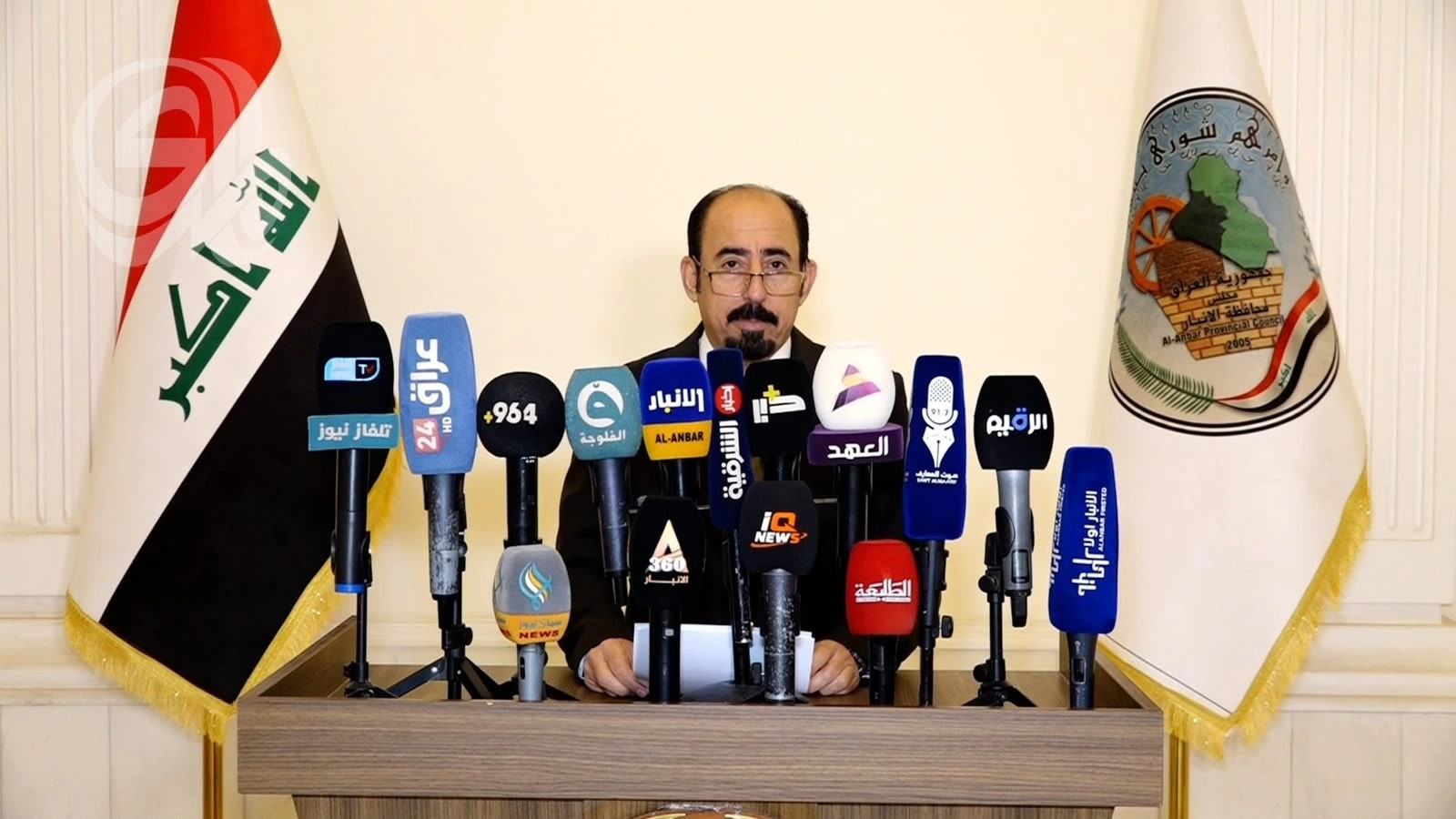
The council said in a statement that an expanded meeting chaired by its chairman, Hamid al-Alwani, brought together council members and representatives of organizations operating in the province, noting that it focused on “discussing the conditions of displaced persons in the camps” and “reviewing ways and measures to address their humanitarian and living conditions,” according to the statement.
The predominantly Sunni town of Jurf al-Sakhr, in Babil province, about 60 kilometers southwest of Baghdad, came under the control of Iran-backed Kata’ib Hezbollah after it was retaken from the Islamic State (ISIS) in 2014. More than 6,000 families fled the town in 2014, according to Iraq’s Ministry of Migration and Displacement. Residents were subsequently prevented from returning, leaving families dispersed across several provinces, including Babil, Baghdad and Anbar.
Iraqi forces entered the town on Friday and established a joint command center after a standoff between Baghdad and Iran-backed Kataib Hezbollah. The army, federal police and units of the Popular Mobilization Forces (PMF) are taking part in the deployment.
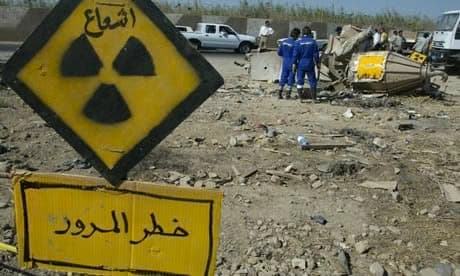
“After the security forces hold the ground and clear the mines, the next phase will be providing the services required for the return of the displaced - including water stations, electricity, schools, and health centers,” Alwani said at a press conference after the meeting.
Alwani said he was pleased with Prime Minister Ali al-Zaidi’s decision “to enter the designated areas - Jurf al-Sakhr, al-Owaisat, and others - security forces have begun holding these areas, adding that the first step is “establishing a security perimeter around them, preparing them from all directions, and opening access routes and checkpoints” for the return of the displaced families.
Alwani said the council had raised the families’ plight with Zaidi during his visit to Anbar earlier this month.
“Our demands centered on these displaced families who have suffered in the camps over the past years from extreme heat, cold, and many other hardships,” he said, noting that Zaidi had told the council that “this issue will come to an end with the return of all families to their homes.”
The developments in Jurf al-Sakhr followed days of tensions between Zaidi’s government and Kata’ib Hezbollah, which has exercised effective control over the town since the area was recaptured from ISIS.
The confrontation intensified after Iraqi intelligence uncovered an alleged oil-smuggling network operating in the area, prompting Zaidi to order investigations and demand changes to the security arrangements.
Kata’ib Hezbollah has denied involvement in oil smuggling, accusing the government of using the allegations to undermine the faction.