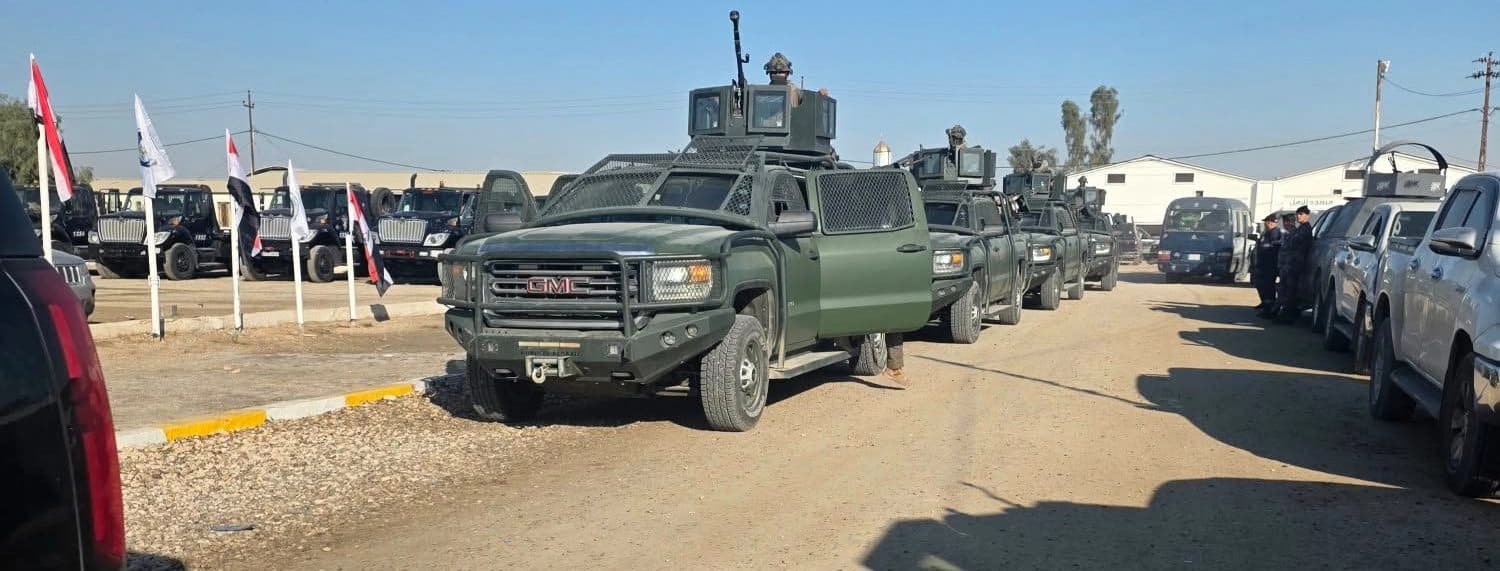

ERBIL, Kurdistan Region - Iraqi security forces on Friday established a joint command center in Jurf al-Sakhar, a stronghold of the Iran-backed faction Kata’ib Hezbollah, with authorities announcing plans to reopen a strategic road on Saturday as Baghdad moves to restore government control over the area following a tense standoff with the powerful armed faction.
Lieutenant General Saad Maan, head of the Iraqi government’s security communications office, told a press conference on Friday that the command center in Jurf al-Nasr, as the area is also known, began operating at 6:00 am, while the Energy Police had started securing oil pipelines in the area.
Maan said the road connecting al-Fadhiliya Bridge, al-Fadhiliya Junction, al-Rufay’at and al-Jamaliya towards Karbala would reopen at 6 am on Saturday, with the Iraqi Army’s 38th Brigade and federal police responsible for securing the route.
Civilian vehicles will be permitted to use the road, although cargo trucks will remain prohibited, he said, adding that the rotation of military units would begin Friday.
Maan described the measures as a significant step towards fully restoring Iraqi sovereignty over the area.
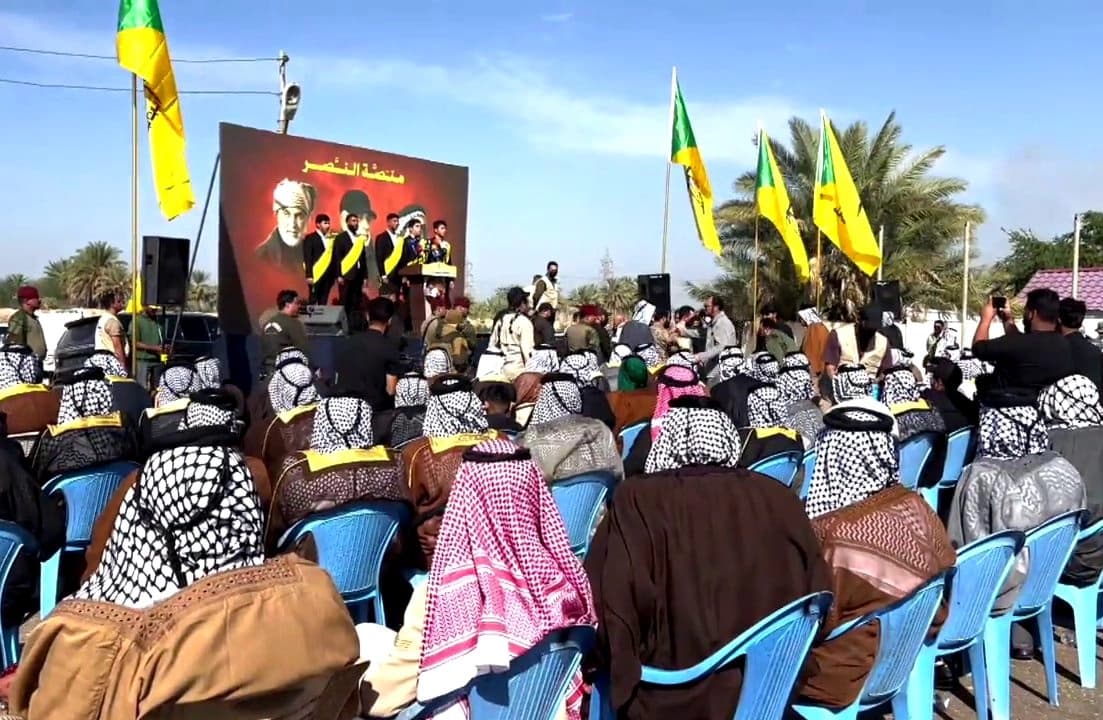
The developments follow days of tensions between Prime Minister Ali al-Zaidi’s government and Kata’ib Hezbollah, which has exercised effective control over Jurf al-Sakhar, roughly 60 kilometers southwest of Baghdad, since the area was recaptured from the Islamic State (ISIS) in 2014.
The confrontation intensified after Iraqi intelligence uncovered an alleged oil-smuggling network operating in the area, prompting Zaidi to order investigations and demand changes to the security arrangements.
Kata’ib Hezbollah has denied involvement in oil smuggling, accusing the government of using the allegations to undermine the faction.
On Thursday, Reuters reported, citing three senior Iraqi security officials, that Baghdad and Kataib Hezbollah had reached a compromise allowing government forces to enter the town while the group’s fighters relocated elsewhere.
Kata'ib Hezbollah Secretary-General Abu Hussein al-Hamidawi subsequently instructed his fighters to resume normal duties following negotiations involving senior Iraqi Shiite figures and Iran’s Quds Force commander Esmail Qaani.
However, Hamidawi did not explicitly confirm that his forces would relinquish control of the area.
The town’s predominantly Sunni population was displaced following the 2014 fighting, and successive Iraqi governments have failed to secure their return.
While Friday’s developments mark progress in Baghdad’s efforts to establish federal authority, the extent of Kata’ib Hezbollah’s withdrawal and whether displaced residents will be allowed to return remain unclear.