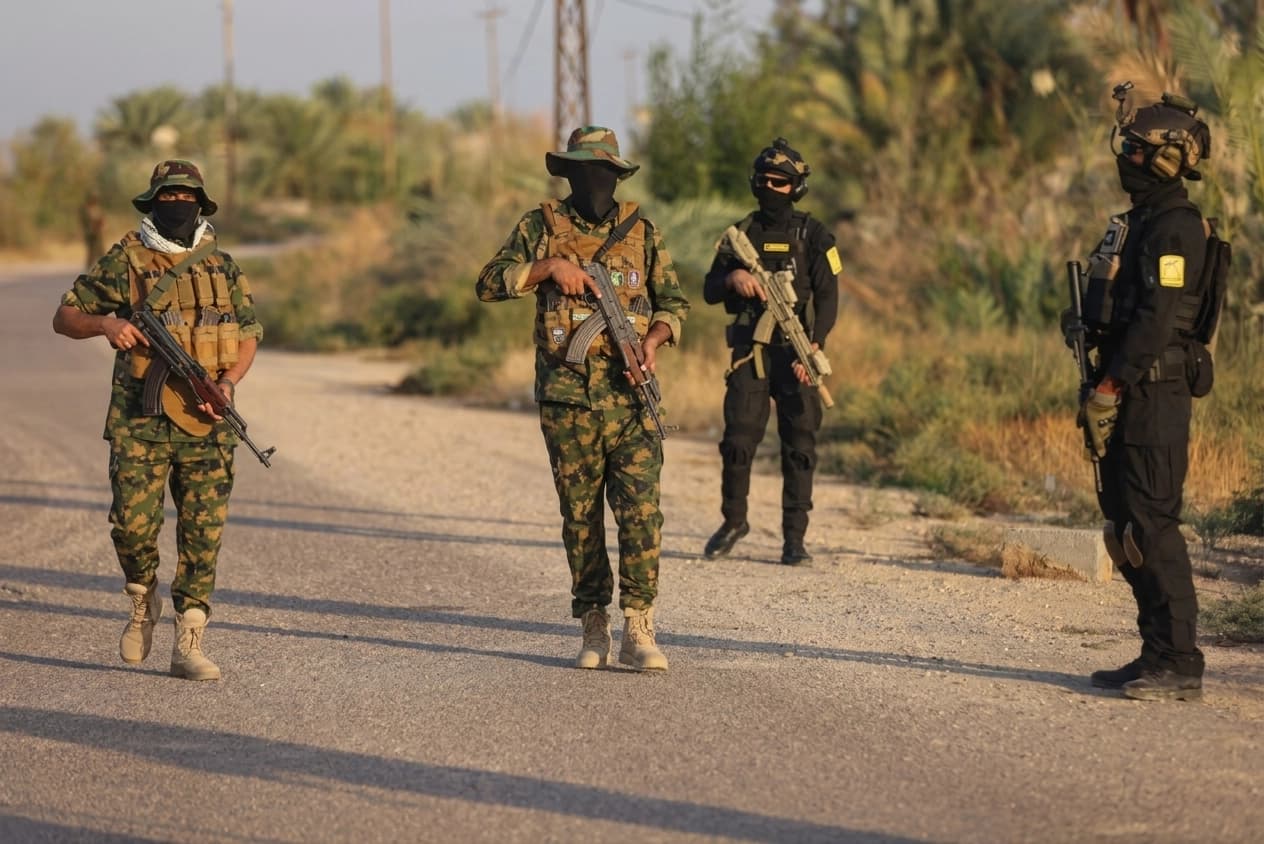

ERBIL, Kurdistan Region - Iraq is preparing to redeploy army, Federal Police and Popular Mobilization Forces (PMF) units in Jurf al-Sakhr, including establishing a command-and-control center, senior Iraqi sources told state media on Wednesday, as Baghdad seeks to end Kata’ib Hezbollah's longstanding control over the strategic town.
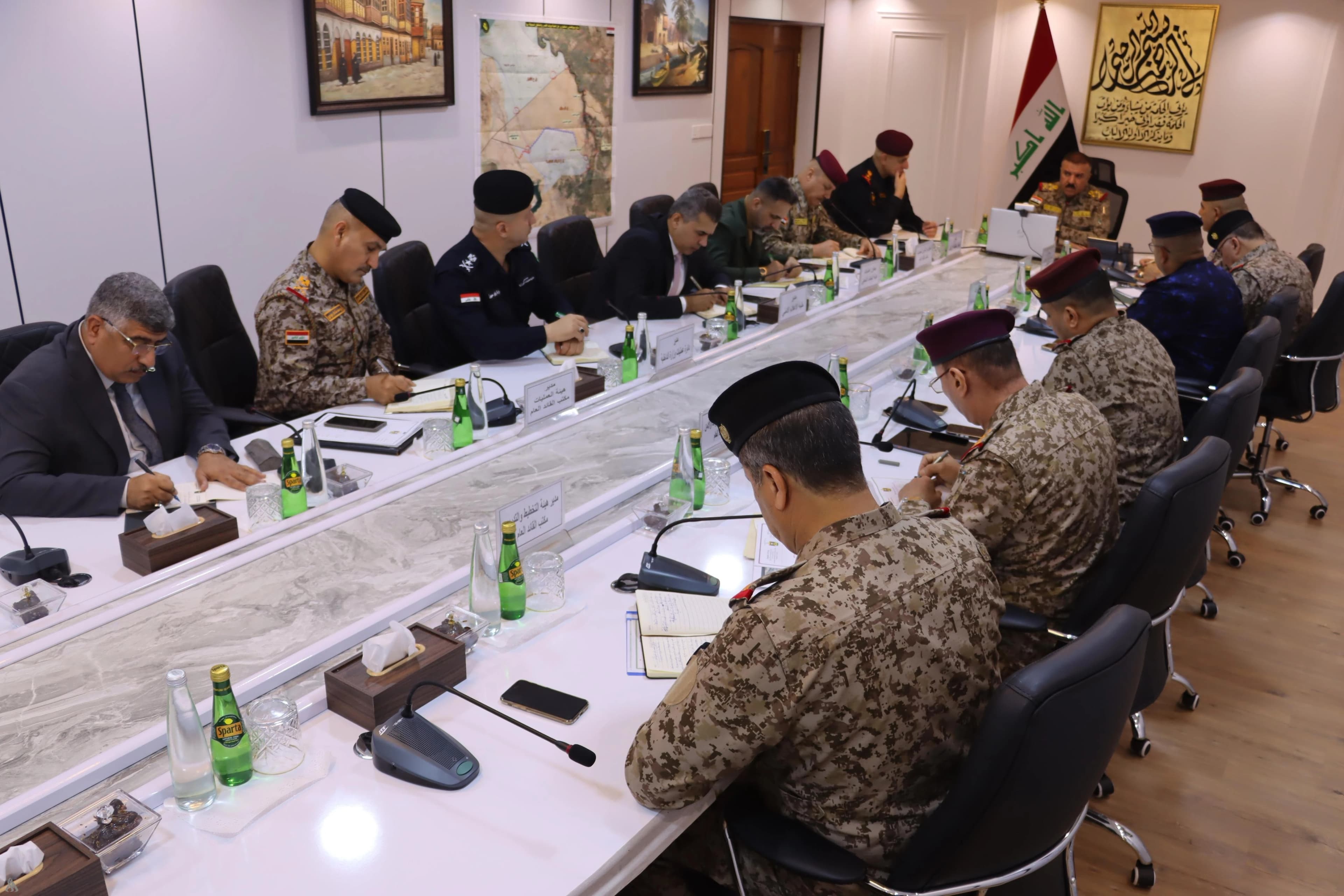
The development follows a high-level security meeting chaired by Lt. Gen. Abdul Amir al-Shammari, director of the Office of the Commander-in-Chief of the Armed Forces, under instructions from Prime Minister Ali al-Zaidi, according to a statement carried by the state-run Iraqi News Agency (INA).
The meeting agreed to examine proposals for redeploying security forces, dividing areas of responsibility, establishing command-and-control arrangements, coordinating with neighboring operations commands and protecting critical infrastructure, the statement said.
“The participants reached a number of important decisions and recommendations aimed at enhancing security and stability in the areas of northern Babil in general, and the Jurf al-Nasr sub-district in particular,” read the statement, using the post-2014 name for the town.
The latest plans come amid a tense standoff between Zaidi's government and the pro-Iran Kata’ib Hezbollah, which has maintained effective control over Jurf al-Sakhr, also known as Jurf al-Nasr, since its recapture from the Islamic State (ISIS) in 2014. Baghdad has demanded that the faction relinquish control of the area following investigations into alleged oil smuggling, raising fears of an armed confrontation.
Located roughly 60 kilometers southwest of the capital, Jurf al-Sakhr has remained under the firm grip of Iran-aligned groups—most notably Kata’ib Hezbollah—since its liberation from ISIS in 2014. The heavily restricted enclave has recently drawn intense scrutiny from Iraqi government authorities following inquiries into alleged fuel theft and illegal pipeline operations.
Wednesday's meeting brought together senior commanders from the Counter-Terrorism Service, Iraqi army, Federal Police, PMF and interior ministry, alongside the commanders of Baghdad and Karbala operations.
The government statement did not specify when the redeployment would take place, which formations would assume control of the town, or whether Kata’ib Hezbollah had agreed to withdraw.
The arrangements come after the ruling Shiite Coordination Framework held a contentious meeting with Zaidi on Monday in an attempt to resolve the confrontation.
Ali al-Difai, spokesperson for the Islamic Supreme Council of Iraq, claimed that the Framework had reached an agreement with Zaidi to replace Kataib Hezbollah's forces with another PMF formation within 10 to 14 days.
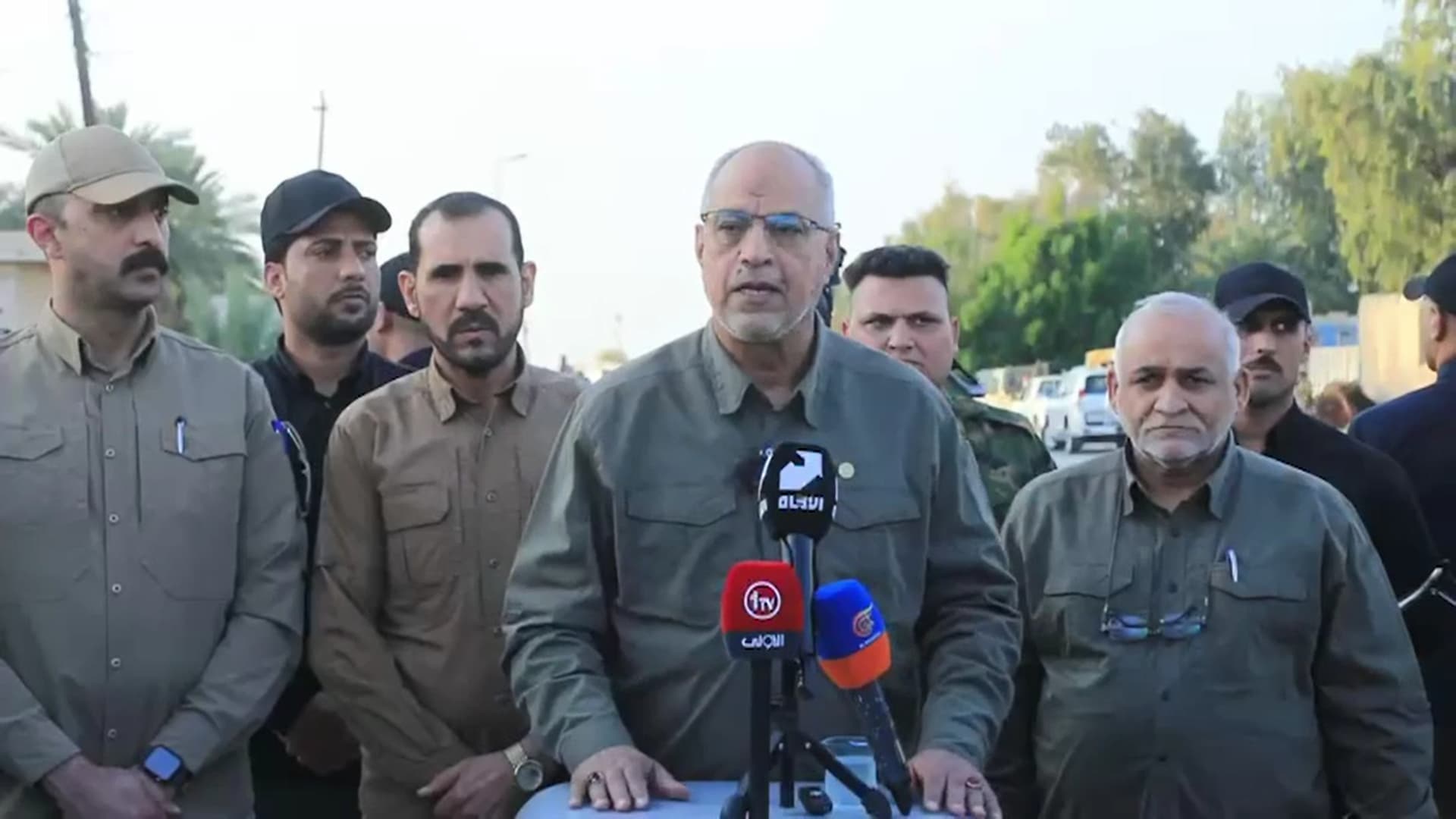
However, senior Kataib Hezbollah figure Abu Talib al-Saeedi rejected the prospect of withdrawal during a press visit to Jurf al-Sakhr on Tuesday.
“That will not happen, not even over our dead bodies,” Saeedi told AFP.
On Wednesday, Iraqi National Security Advisor Qasim al-Aboudi met Badr Organization leader Hadi al-Ameri, one of the influential Shiite politicians involved in efforts to mediate the standoff.
According to a statement from Aboudi's office, the two discussed “domestic and regional developments and the importance of implementing Zaidi's government program, particularly combating corruption, restricting weapons to state control and pursuing economic reforms.”
Ameri reiterated the political forces' support for Zaidi's government. Zaidi has given pro-Iran factions until the end of June 2027 to handover their weapons to the state.
The statement did not specifically mention Jurf al-Sakhr or any agreement concerning the withdrawal of Kata’ib Hezbollah.
The dispute over Jurf al-Sakhr has intensified since Iraqi media published intelligence reports alleging organized oil theft in the town. On Saturday, Zaidi dismissed nine senior security and administrative officials following a government investigation and ordered suspects to be referred to the judiciary.
Kata’ib Hezbollah has denied the smuggling allegations, accusing the government of using the investigation to pressure the faction into surrendering its weapons.
Despite Wednesday's announcement, it remains unclear whether the planned redeployment will result in Kata’ib Hezbollah relinquishing effective control of Jurf al-Sakhr or produce a negotiated security arrangement involving other PMF formations.