
ERBIL, Kurdistan Region - Iraq’s government spokesperson warned on Monday that federal forces could enter the Kurdistan Region as part of a nationwide campaign against suspected oil smuggling as it issued a deadline for the Iran-aligned faction Kata'ib Hezbollah to leave its stronghold of Jurf al-Nasr in Babil province on the same allegations.
The warning comes a day after the spokesperson said that the Iraqi army is preparing to enter the town of Jurf al-Nasr in Babil province which has emerged as a site of a widening political controversy after several Iraqi media outlets last week published details of a leaked 19-page intelligence report alleging organized crude theft dating back to 2021.
The document also included findings concerning alleged oil smuggling from Kirkuk and the Kurdistan Region through Iran to Afghanistan, as well as the attack on the Khor Mor gas field, prompting a probe ordered by Parliament Speaker Haibat al-Halbousi.
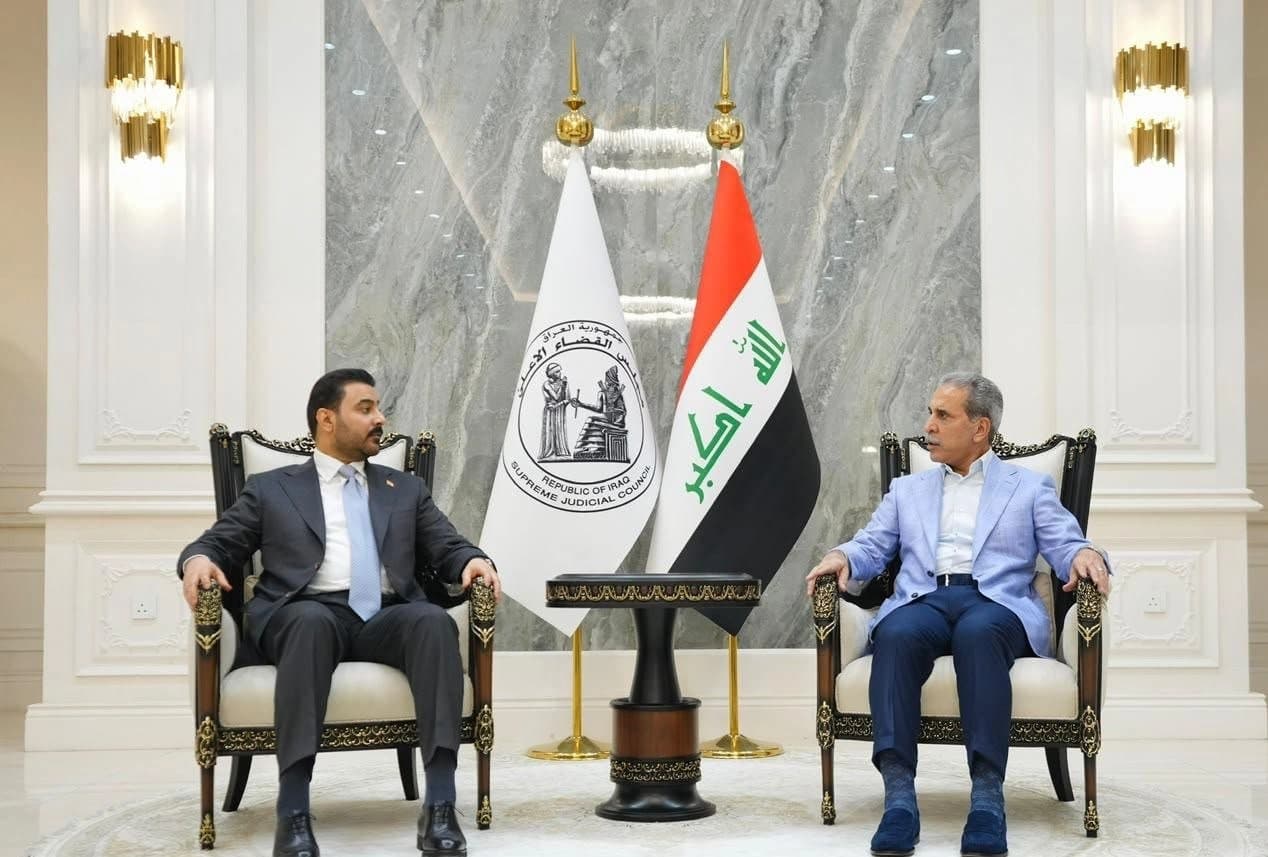
“There is a possibility of army forces entering areas of the Kurdistan Region,” Haider al-Aboudi told the state-run Iraqi News Agency (INA), adding that anyone obstructing security forces assigned to investigate suspected oil smuggling would face the law.
Aboudi said Baghdad was coordinating with the Kurdistan Regional Government and had seen “acceptable indicators” of cooperation from federal security representatives officially assigned to track suspected oil-smuggling activities in the Region.
He stressed that the Kurdistan Region's constitutional powers did not place it outside the framework governing relations with the federal government.
The remarks came as Baghdad escalated its campaign against alleged oil smuggling. Aboudi on Sunday announced that the government had set a deadline for Kata'ib Hezbollah to leave Jurf al-Nasr, following orders for a high-level investigation late Thursday backed by Prime Minister Ali al-Zaidi.
The town was known as Jurf al-Sakhar prior to its capture by the Islamic State (ISIS) in 2014. The PMF and Iraqi army, through Operation Ashura, recaptured the district and named it Jurf al-Nasr, the Bank of Victory. The town has since served as a stronghold for the armed group.
“The deadline set for the armed faction to leave Jurf al-Nasr is not far away,” he said.
A government investigation committee had inspected six locations in Jurf al Nasr based on coordinates provided in an intelligence report, Aboudi said, identifying what he described as clear “tampering with oil pipelines and the presence of refineries, tanks, and storage tanks” as well as attempts to conceal the evidence.
Meanwhile, a parliamentary investigation committee in Jurf al-Nasr said on Monday it had obtained documents, photographs, and video evidence indicating that smuggling operations had taken place in the area, INA reported.
Ali Inhair, a member of the committee said that "the reports that the committee reviewed were shocking, and included evidence and documents proving the existence of smuggling operations in the Jurf al-Nasr area, supported by pictures, videos and footage taken by drones."
“The information contained in the reports and what the thermal cameras detected indicates the use of about 25 tankers in smuggling operations, each with a capacity of 36,000 liters," he said.
Zaidi also directed security forces to prevent tankers transporting oil and petroleum products from leaving the area, according to Aboudi.
The announcement marks a further escalation in the government's confrontation with Kata'ib Hezbollah, one of the country's most powerful armed factions and one of the few remaining that has refused to surrender its weapons as Baghdad seeks to bring armed groups and economic activities under sovereign state control.
Kata'ib Hezbollah denied the allegations on Sunday, saying a technical committee that inspected Jurf al-Nasr “did not find any encroachment on oil pipelines.”
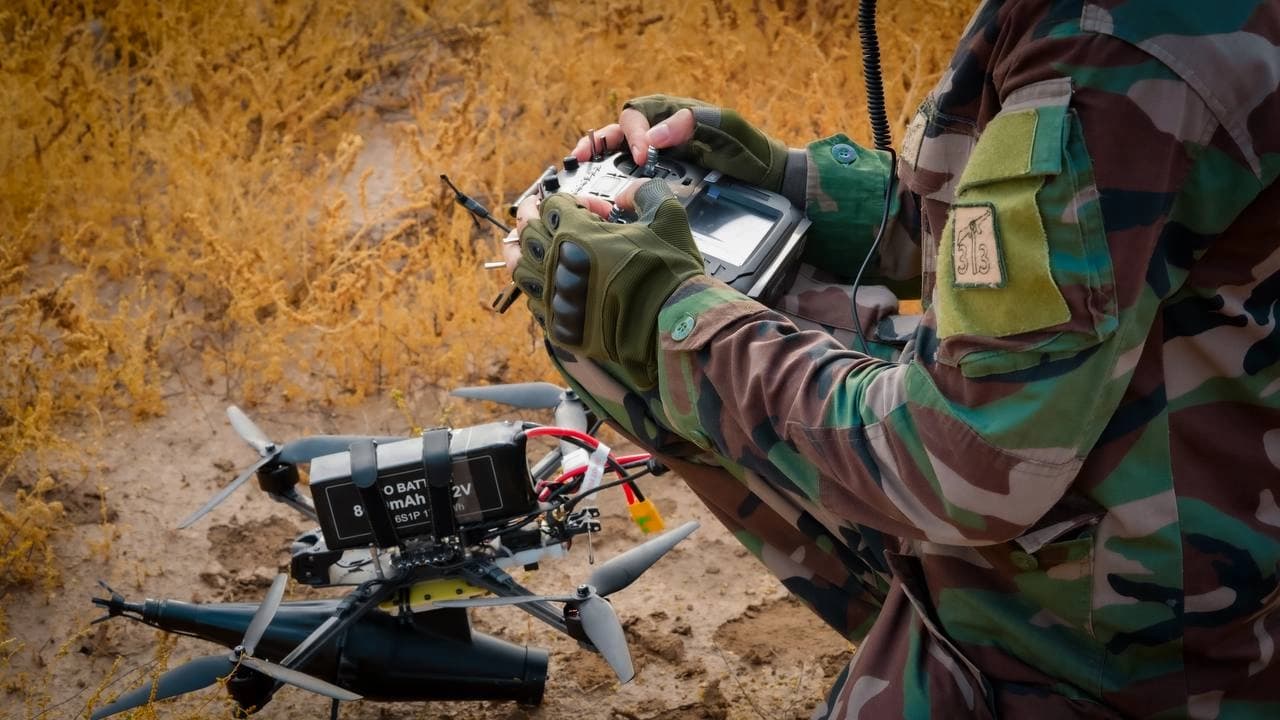
"Our weapons are a right and will remain in the hands of our Mujahideen," Kata'ib Hezbollah said through its Telegram channel on Monday, showing photos of its fighters setting up drones.