
ERBIL, Kurdistan Region - Iraq's environmental police have shut down 792 projects for violating environmental regulations and seized 4,500 rare and endangered wild birds and animals across the country this year, the country’s Ministry of Interior announced on Saturday.
Miqdad Miri, head of the ministry’s relations and media department, said the closures followed the exhaustion of legal procedures against businesses and facilities operating without environmental regulations.
“The projects were distributed across the industrial, commercial, agricultural, service, and health sectors, due to operating without environmental approvals or relying on primitive methods that cause water wastage and environmental pollution affecting human health,” he said.
The environmental police also closed 522 car wash stations and dismantled 54 metal-smelting furnaces and 32 charcoal-production pits as part of the nationwide enforcement campaign.
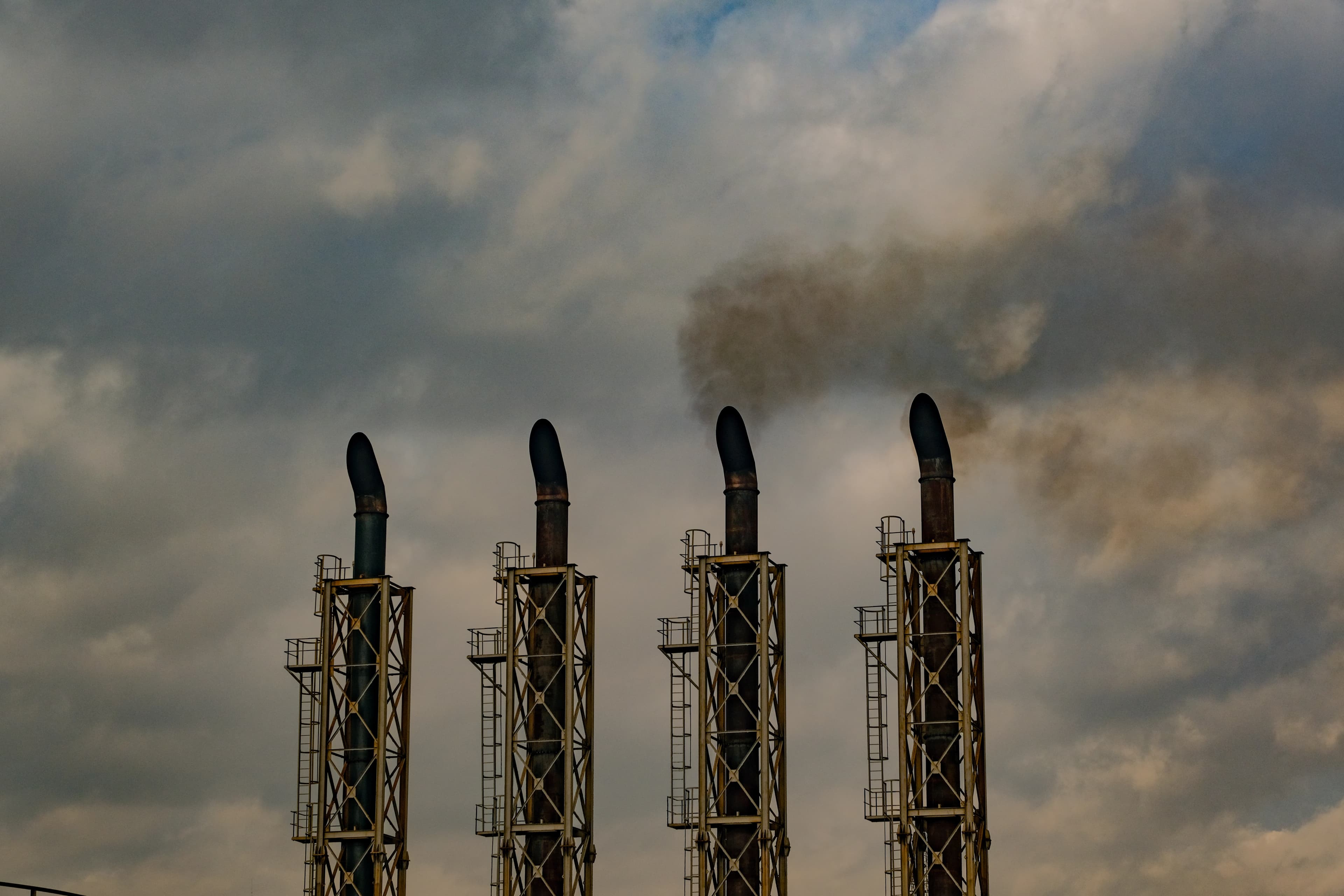
The campaign comes as Iraq faces mounting environmental pressures, including worsening drought, desertification, water scarcity and increasingly severe dust storms.
Last month, Titon Mitra, the UN Development Programme’s resident representative in Iraq, told Rudaw that the country had a critical role to play in global efforts to curb greenhouse gas emissions, warning that insufficient climate action could push global temperatures up by another three degrees Celsius by the end of the century.
"We see the rapid spread of deserts, desertification. We see dust storms increasing. We see drought," Mitra said, highlighting the growing consequences of climate change for Iraq.
He said Baghdad had committed to reducing its greenhouse gas emissions by up to 22 percent by 2035, a target that could also unlock international financing, technology and technical expertise.
Iraq's updated climate action plan covers several sectors, including oil and gas, electricity, transport, industry, agriculture and waste management. The UNDP estimates that implementing the emissions-reduction and climate-adaptation measures will require around $72.2 billion in financing.
The security campaigns align with broader national sustainability efforts, highlighted by Iraqi Prime Minister Ali al-Zaidi's October launch of an updated Nationally Determined Contribution (NDC) with the United Nations Development Programme (UNDP) targeting a total emissions reduction of up to 22 percent by 2035.
In a parallel effort to curb poaching and illegal wildlife trade, environmental police seized 4,500 rare and endangered birds and animals through targeted operations in poaching hotspots and local markets where the species were being traded.
Miri noted that the penalized projects spanned the industrial, commercial, agricultural, service, and health sectors, targeted for operating without environmental approvals or relying on primitive methods that caused severe water waste and health-threatening pollution.
Detachments also seized the rare wildlife through targeted market and field operations to preserve ecological balance, secure migration routes, and fulfill Iraq's obligations under the Convention on International Trade in Endangered Species of Wild Fauna and Flora (CITES) and the Convention on the Conservation of Migratory Species of Wild Animals (CMS)
“More than 500 pollution sources discharge their waste directly or indirectly into the river,” Omar Abdul Latif, a member of the Iraq Green Observatory, told Rudaw in October, adding that “in the capital Baghdad alone, there are 23 dangerous pollution points, which are pipes carrying heavy sewage water and hospital medical waste into the Tigris without treatment."