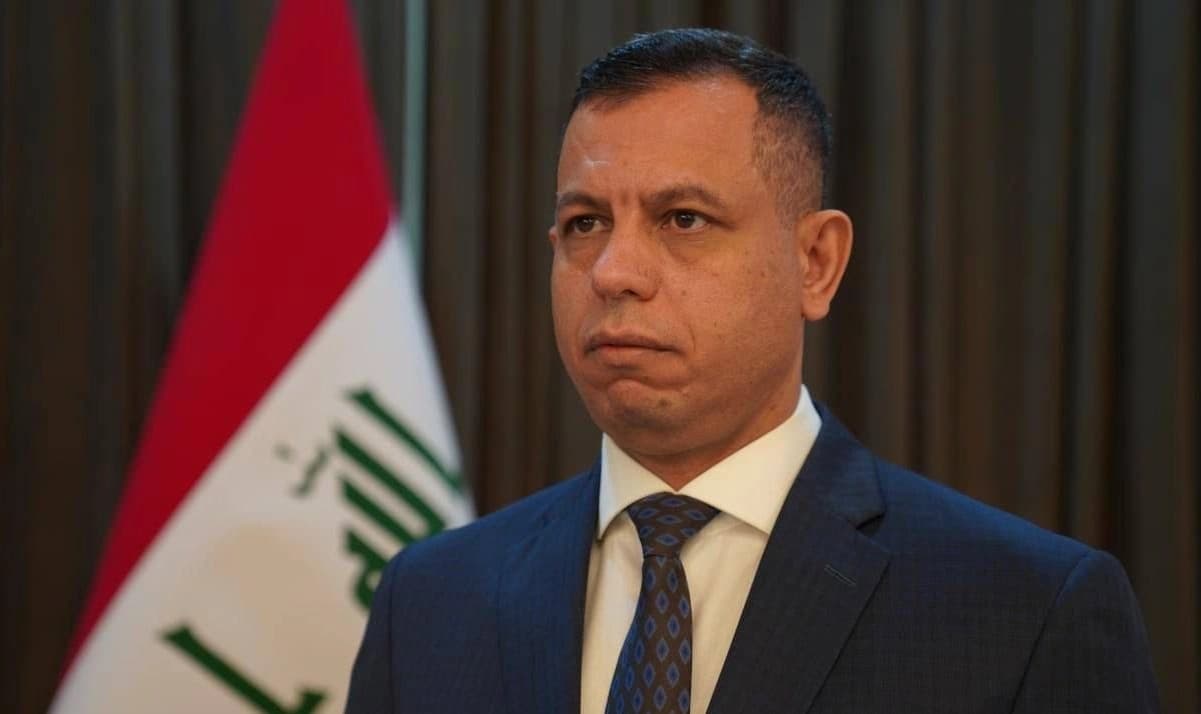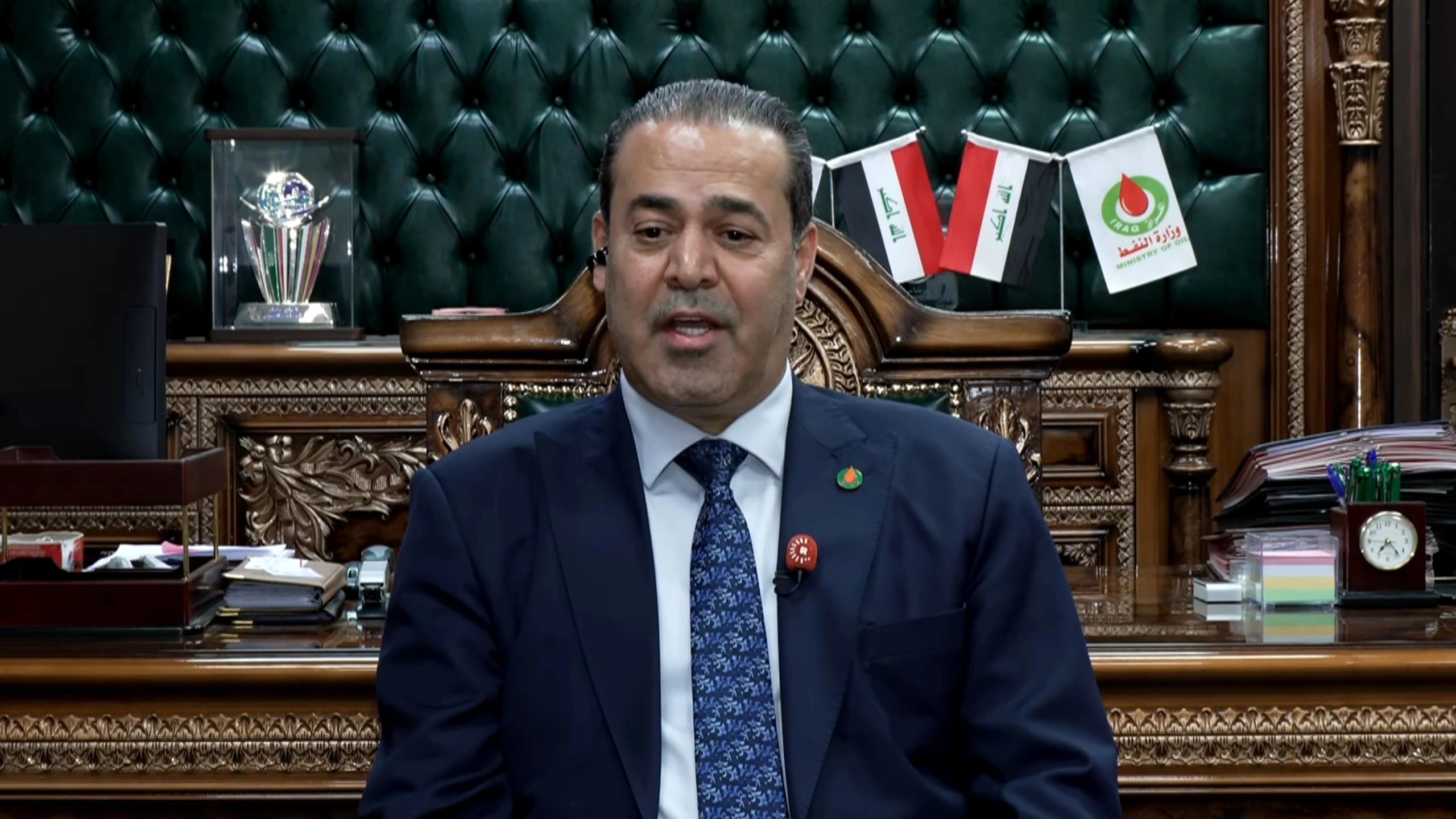

ERBIL, Kurdistan Region - Iraq seeks to shift its observatory status in the Gas Exporting Countries Forum (GECF) to full membership in the bloc, the deputy oil minister for gas affairs said Wednesday, underscoring a notable level of flared gas as well as plans to end emissions.
“Over the past four years, Iraq has successfully captured and invested in 20 percent of the gas that was previously flared and wasted,” Izzat Sabir told Rudaw’s Sangar Abdulrahman.
Sabir represented Iraq at the GRCF meeting in Moscow. The bloc is an international governmental organization of the world's leading natural gas producers, often informally dubbed the "Gas OPEC."
Russia, Iran, Qatar, UAE, and Egypt are among the 12 permanent members. Iraq, in addition to seven other countries, holds observer status.
GECF member states, including observers, control nearly 70 percent of the world's total proven natural gas reserves.
The Iraqi oil official said Iraq is actively working to transition from an observer state to a full permanent member of the alliance, as expressed in the bloc’s meeting attended by Russian President Vladimir Putin, Iranian President Masour Pezeshkian, and Qatari Emir Tamim bin Hamad Al Thani, among other leaders.
Iraq remains heavily dependent on gas imports from Iran to generate electricity. An expert told Rudaw's Nahro Mohammed in July that Baghdad owes around $2 billion for natural gas imports.
“Iraq holds an estimated 150 trillion cubic feet of natural gas reserves,” Sabir noted, adding that while the country currently imports gas to cover its domestic power generation deficit, its vast reserves and ongoing infrastructure projects are projected to enable the transition to a net gas-exporting nation within the next four to five years.
He further stated that Iraq is “committed” to the Paris Climate Agreement - which it ratified in 2021 - to substantially reduce gas emissions by 2030.
Iraq and the Kurdistan Region rank among the world's primary sources of gas flaring, contributing approximately one-seventh of all global carbon dioxide flaring output. Greenhouse gas emissions, particularly black carbon, remain a principal driver of atmospheric pollution and regional climate change.
Over the preceding decade, total flared volume expanded by 39 percent, topping 18.02 billion cubic meters annually, according to data from Rudaw. The report located 214 oil production fields and refiners across the country that release carbon dioxide into the air from flaring alone.
Iraq produces 3,000 million cubic meters of gas, of which 2,000 million cubic meters are utilized, while the rest is flared, Sabir told Rudaw in January 2025.
“We need $10 billion, and we will reach it [ending gas flaring] in 2030,” he said.