ERBIL, Kurdistan Region - Iraq's federal government on Wednesday said security measures in Shingal (Sinjar) - including the integration of Yazidi fighters into Iraqi security forces - fall exclusively under federal authority, against the backdrop of criticism from the Kurdistan Regional Government (KRG) over the agreement.
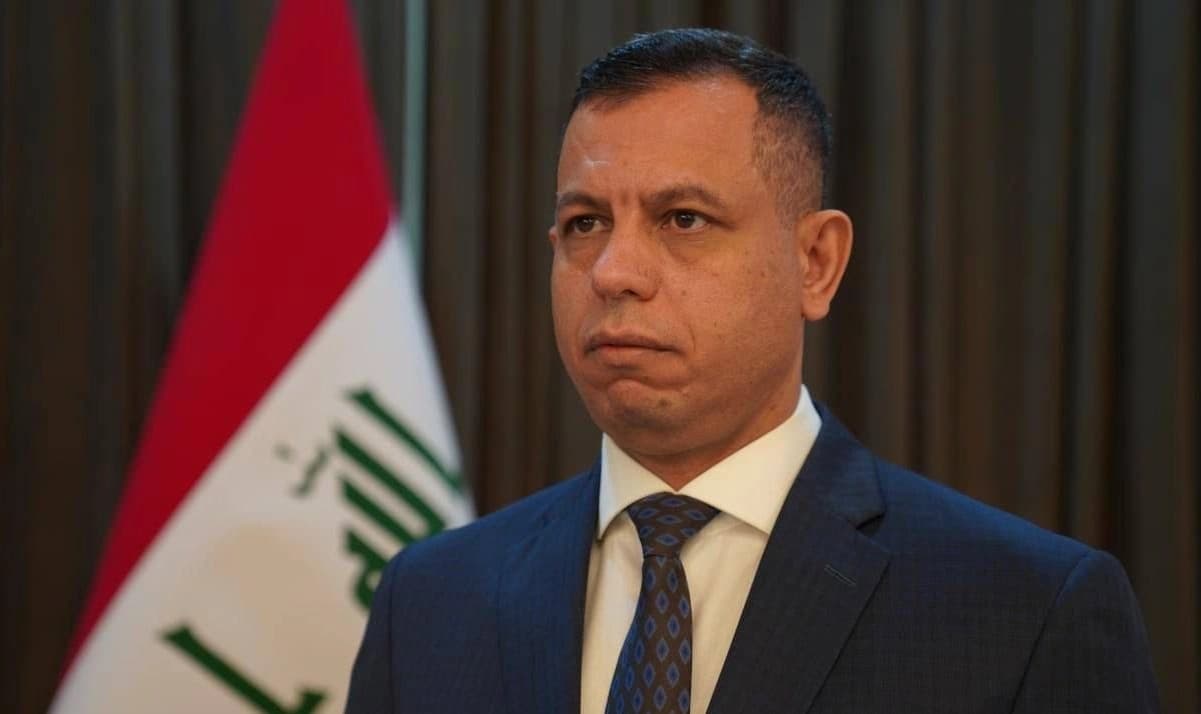
“The security measures carried out in Shingal are field and military measures that fall entirely under the authority of the federal government,” Sabah al-Numan, spokesperson for Iraqi Prime Minister and Commander-in-Chief of the Armed Forces Ali al-Zaidi, said in a statement.
Numan said the measures included integrating members of the Shingal Resistance Units (YBS) into Iraq's official armed forces and transferring their positions on Mount Shingal to Iraqi army units and other federal forces, stressing that the issue falls within the “exclusive responsibilities of the federal government and its security leadership.”
The statement comes a day after the KRG criticized Baghdad for acting unilaterally in Shingal, accusing it of violating the October 2020 Shingal Agreement, signed between Baghdad and Erbil under United Nations auspices.
The agreement seeks to restore security and administrative stability in the Yazidi-majority district, but its implementation has stalled for years amid political and security disagreements.
“We are following with great concern the understandings reached by the federal government unilaterally and without consulting the Kurdistan Regional Government regarding the situation in Shingal,” the KRG's interior ministry said in a Tuesday statement.
The ministry said Baghdad’s steps violated the 2020 agreement, warning that imposing unwanted security and administrative arrangements outside legitimate institutions would complicate the situation and undermine efforts to restore stability and facilitate the return of displaced Yazidis.
Kurdistan Region Interior Minister Rebar Ahmed also criticized Baghdad's handling of the agreement on Tuesday, accusing the federal government of failing to adequately consult Erbil.
“Unfortunately, what is taking place in Shingal is outside the framework of the Shingal Agreement,” Ahmed told reporters in Erbil.
He said the KRG had already conveyed its objections to Baghdad, but its concerns had not been adequately addressed. Ahmed warned that measures implemented without coordination with the KRG would not help restore stability or facilitate the return of displaced residents.
The criticism followed Monday's formal integration of approximately 2,000 members of the all-Yazidi YBS into Iraqi security forces, as part of a broader agreement aimed at consolidating federal control over Shingal.
A senior YBS commander told Rudaw's Aziz Sharkani on Monday that the first phase would involve around 2,000 fighters, with between 3,000 and 4,000 additional local fighters expected to be integrated in the next phases.
The agreement also involves transferring YBS positions on Mount Shingal to the Iraqi army. Fighters are expected to be incorporated into several security institutions, including the army, local police and the Popular Mobilization Forces (PMF).
The YBS expanded significantly following the Islamic State (ISIS) assault on Shingal in August 2014, during which thousands of Yazidis were killed or abducted in a campaign recognized as genocide. The group subsequently developed close ties with the Kurdistan Workers' Party (PKK), while some of its fighters were incorporated into the PMF.
In Wednesday's statement, Numan said the federal government was continuing efforts to restrict weapons to state control under Zaidi's directives.
He stressed that enabling the Iraqi army and other federal forces to establish full control over Shingal, including Mount Shingal, was essential to enforcing the law and asserting state sovereignty.
Baghdad also reaffirmed its commitment to reconstruction, compensating victims' families and accelerating the return of displaced Yazidis, many of whom remain in camps in the Kurdistan Region.
Numan said the federal government was working with local authorities toward electing an administration that would represent Shingal residents, adding that Baghdad remained open to addressing outstanding issues concerning disarmament and the integration of armed personnel in accordance with Iraqi law.