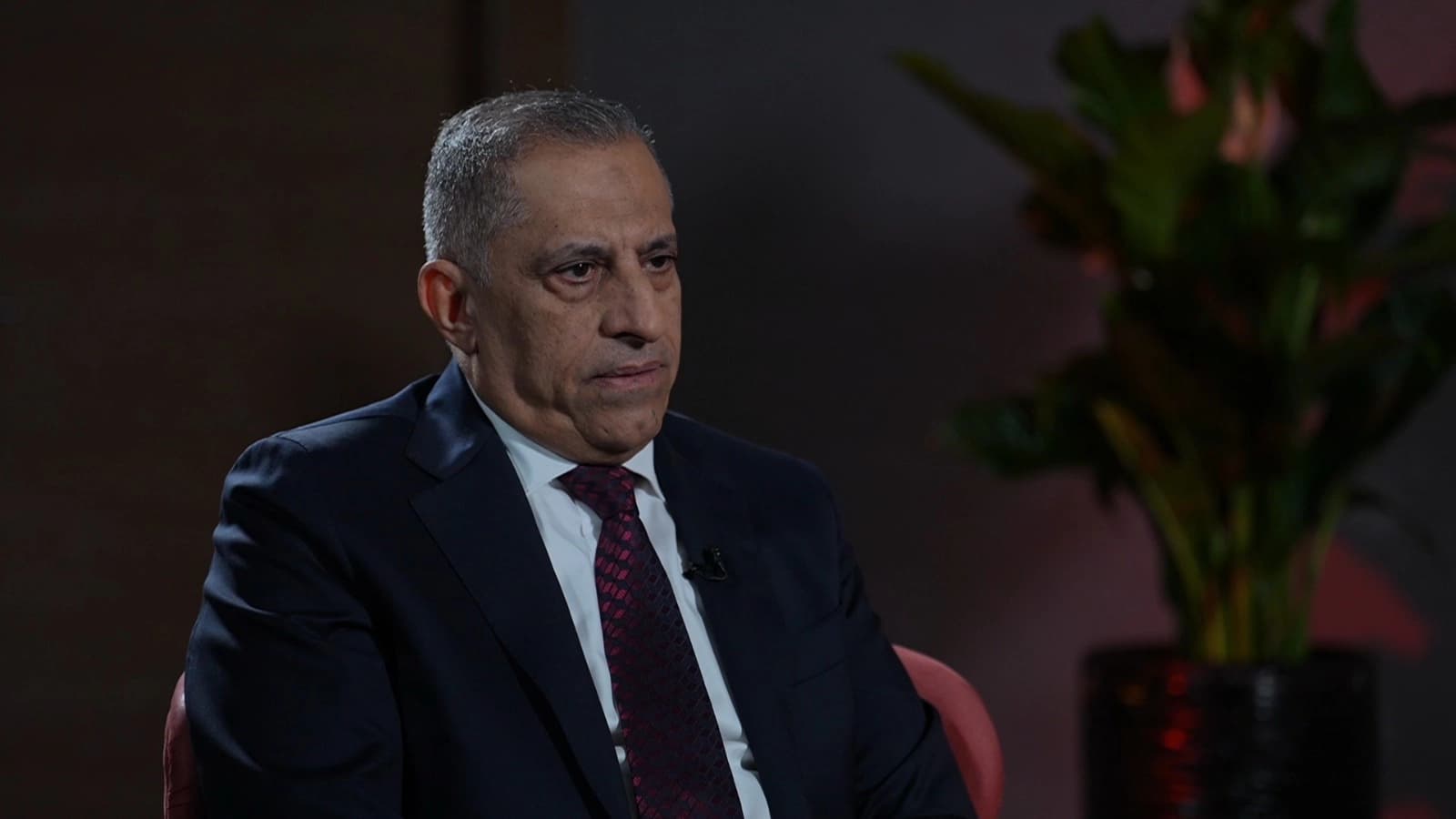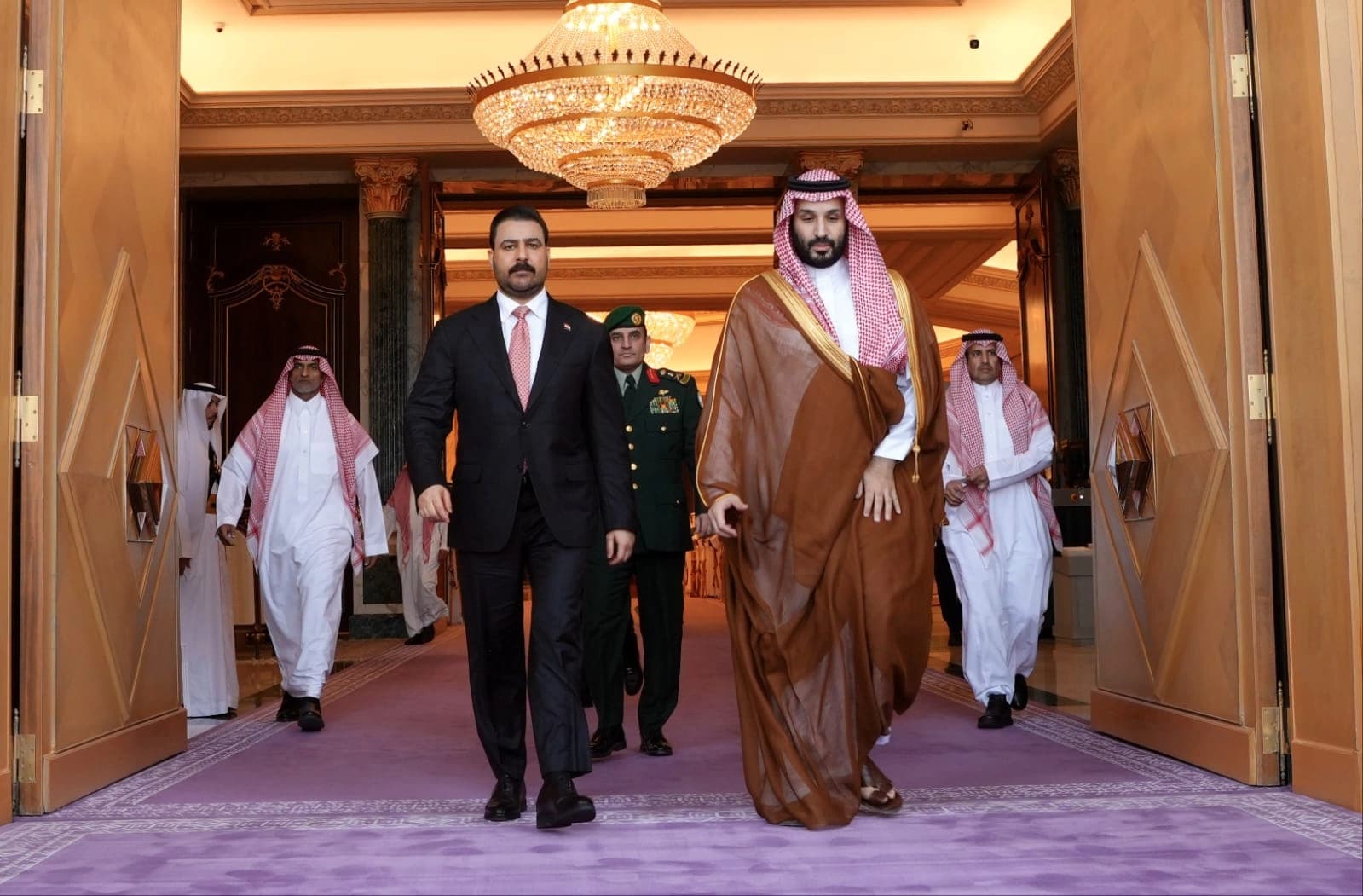

ERBIL, Kurdistan Region - Iraqi Prime Minister Ali al-Zaidi on Wednesday completed his first visit to Riyadh since his inauguration to meet with Saudi Crown Prince and premier Mohammed bin Salman, following a months-long delay prompted by US-Saudi airstrikes on Iraqi Popular Mobilization Forces (PMF).
During the meeting, Zaidi’s office reiterated Iraq’s commitment to regional stability, stating Baghdad maintains a “steadfast position of not allowing its territory to be used as a launchpad for any attacks or actions that compromise the security of the Kingdom and the countries of the region.”
Zaidi's discussions in Riyadh occurred amid a surge in regional hostilities in the past several months against a wider backdrop of the US-Iran war which began in late February.
Saudi Arabia initially invited Zaidi shortly after he took office in May, but the Iraqi premier postponed his scheduled late July visit after the Washington and Riyadh conducted airstrikes on PMF positions in Baghdad and five other provinces a day prior to his visit, according to a statement from the prime minister's media office at the time. Saudi's state-funded al-Arabiya channel likewise reported that Zaidi had “postponed” a scheduled July 30 visit to Riyadh following joint US-Saudi airstrikes on the PMF.
At the time of those strikes, the PMF reported that the attacks killed at least 20 members and injured 32 others across the targeted locations.
The US Central Command (CENTCOM) framed the strikes targeted against "Iran-aligned” groups that “the Islamic Revolutionary Guard Corps (IRGC) directed to attack US forces and Saudi energy infrastructure.”
In mid-September, the Iraqi government formally acknowledged Riyadh’s claims that a separate series of attacks targeting Saudi Arabia’s strategic East-West oil pipeline had been launched from Iraqi territory.
Baghdad confirmed that the pipeline attacks originated in Maysan province, prompting immediate security and administrative changes along the border.
Following the pipeline incident, Zaidi removed the head of the Maysan Operations Command and closed the Shalamcheh and al-Sheeb border crossings with Iran as a precautionary measure.
Zaidi's discussions in Riyadh also took place following multiple drone and missile strikes targeting the Saudi capital since the beginning of October.
“We expressed the government's condemnation of the targeting of King Khalid International Airport in Riyadh, as well as any harm inflicted on civilians and civilian facilities during conflicts, due to the threat this poses to regional security and stability,” Zaidi’s office stated on Wednesday
The Saudi General Authority of Civil Aviation on Saturday reported a deadly strike that killed 12 people and injured 309 others, followed by another projectile attack on Sunday that resulted in one death and 11 injuries.
Yemen's Iran-aligned Ansarullah movement - widely known as the Houthis - claimed responsibility for the attacks on King Khalid International Airport.