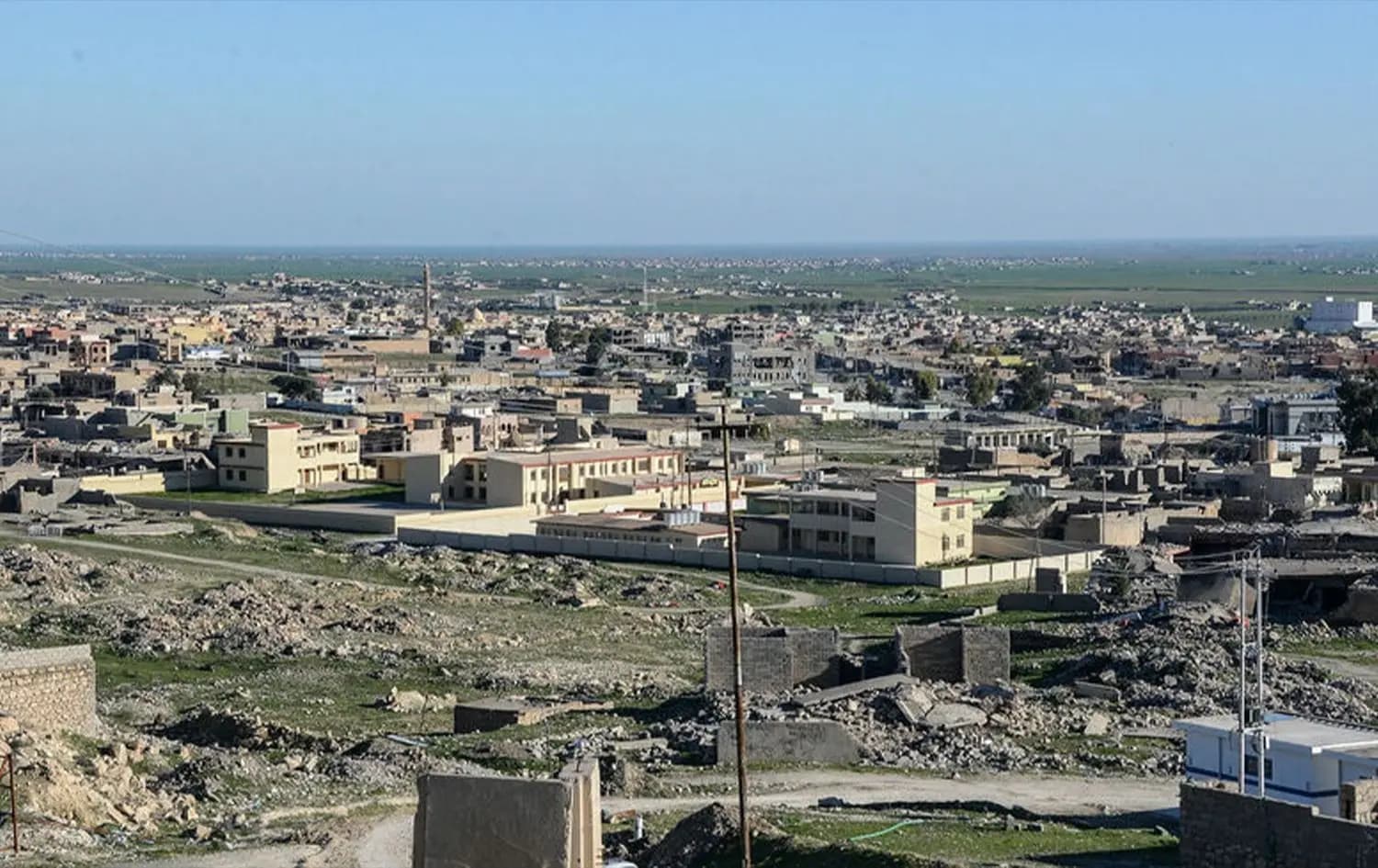
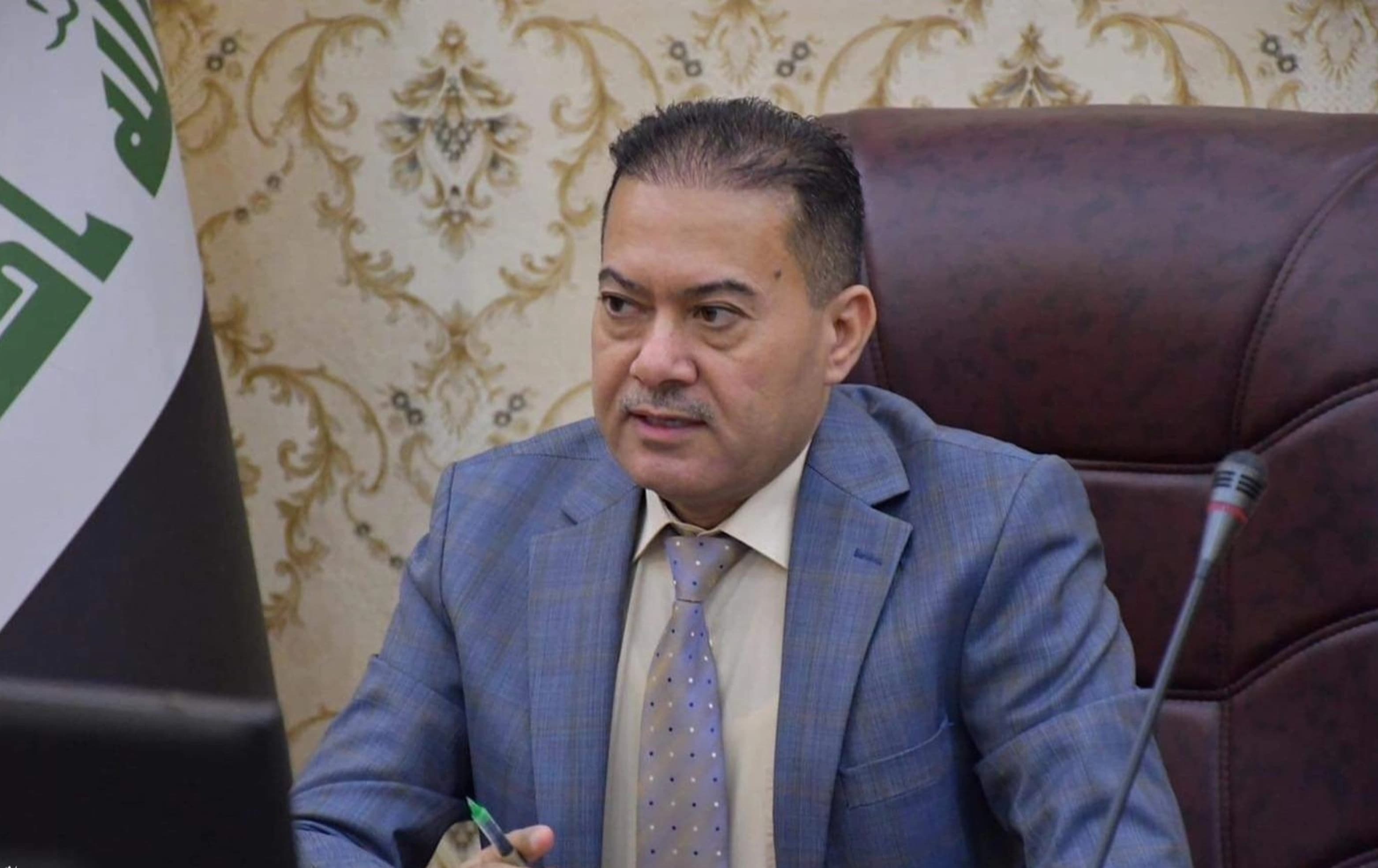
ERBIL, Kurdistan Region - Iraqi Prime Minister Ali al-Zaidi on Tuesday ordered increased electricity and fuel allocations for the city of Kirkuk following protests over power shortages and steep private generator prices.
Zaidi directed authorities to “increase Kirkuk's electricity allocation to meet residents' needs” and "improve daily power supply hours," according to a statement from his media office. He also ordered “an increase in fuel allocations for private generators to ensure their continued operation."
The directives came during an expanded meeting on Kirkuk attended by senior officials as well as the head of the ruling Kurdistan Democratic Party (KDP) parliamentary bloc, as Iraq faces an ongoing fuel shortage exacerbated by the US-Iran war and restrictions through the Strait of Hormuz.
The orders follow several days of protests since Sunday in Kirkuk over private generator fees.
Generator owners went on strike after the local authorities reduced the monthly price per ampere from 18,000 dinars ($12) to 13,000 dinars ($9), leaving many neighborhoods without generator electricity. Residents had previously protested against an increase in the previous rate, police spokesman Amer Shuani told Rudaw’s Solin Mohammadin on Monday, adding that “the owners of generators have started in front of the governor's office.”
Former Kirkuk governor and current Iraqi state minister Mohammed Samaan Agha attributed the crisis to a “shortage of national electricity supply hours” and a reduction in the province’s allocation of gas oil, or diesel, saying the problem did not lie with the local administration.
Agha said commercial diesel prices had risen to 260,000 Iraqi dinars ($171) per barrel, compared with 117,000 dinars ($77) under the previous governor and 50,000 dinars ($33) under an earlier administration. He added that Kirkuk had previously received diesel “free of charge or at a subsidized price,” which helped keep generator fees at 3,000 dinars ($2) per ampere.
The Kurdistan Region likewise faces acute fuel shortages following suspensions in production during the war since late February. A group of Kurdish lawmakers in mid-August submitted a petition requesting Zaidi to increase the Region’s share of crude oil for domestic fuel production from 50,000 to 140,000 barrels per day (bpd).