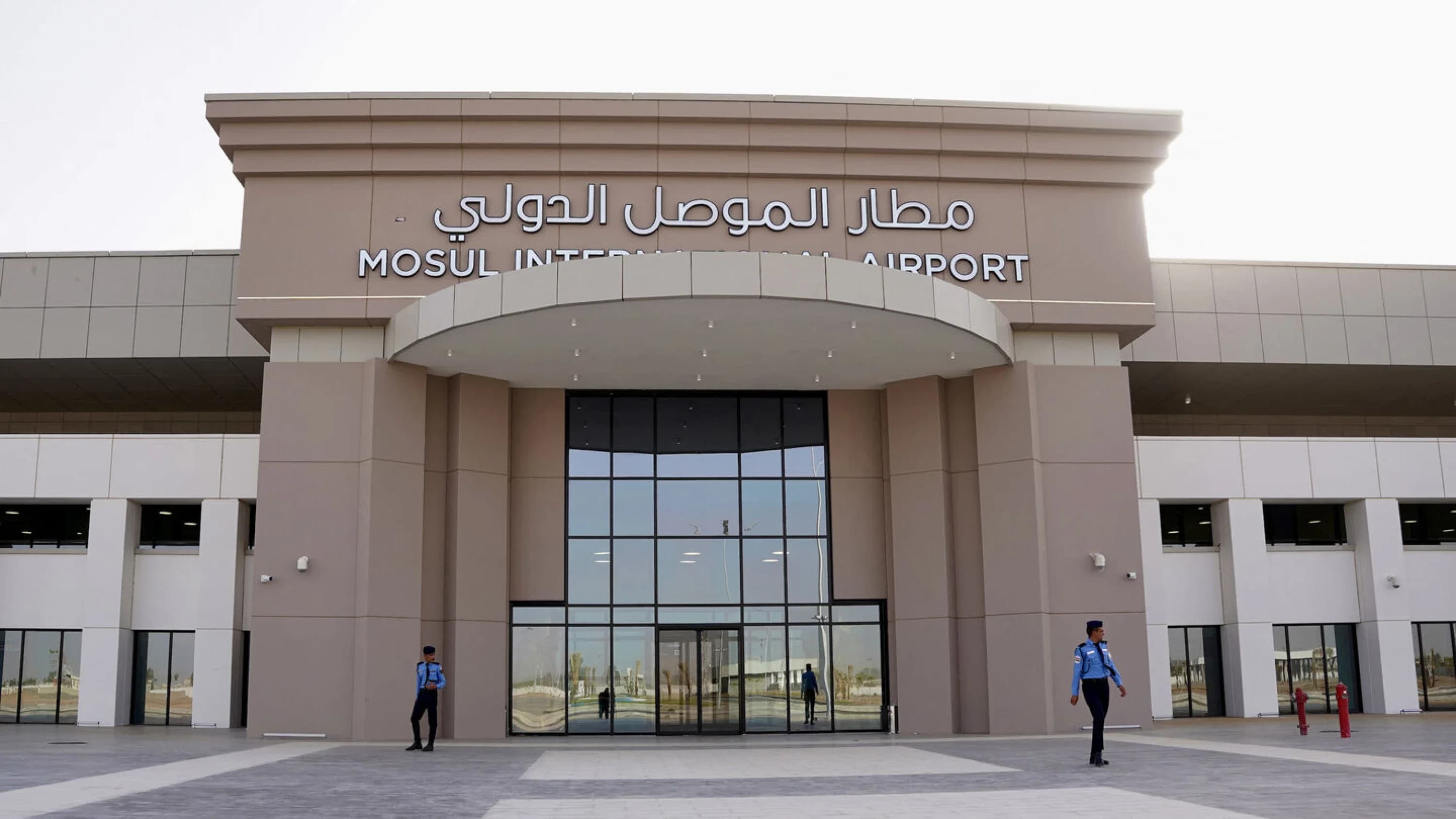

ERBIL, Kurdistan Region - Iraqi Prime Minister Ali al-Zaidi on Monday invited international companies specializing in airport management and operations to invest in Mosul International Airport, as the government seeks to expand aviation services in Nineveh province following years of conflict and reconstruction.
During his visit, the prime minister described Mosul as “a civilizational gateway for Iraq and an important window to the world,” stressing that the government was committed to completing key projects to address the province’s service and economic needs.
“Mosul airport is not merely a service project, but an important gateway for the province in particular and Iraq as a whole,” said Zaidi, according to the statement.
He added that companies investing in the airport should go beyond constructing a passenger terminal and become “essential partners in turning Mosul airport into a major service landmark.”
The invitation comes amid efforts to restore Mosul’s connectivity with domestic and international destinations and capitalize on the airport’s potential to stimulate investment and economic recovery in Nineveh province after years of conflict.
Zaidi’s invitation signals the government’s intention to expand the airport’s operational capacity and establish it as a key component of Nineveh’s post-conflict development.
Mosul International Airport officially resumed domestic operations in November last year, ending an 11-year closure. The airport had been extensively damaged during the war against the Islamic State (ISIS), which seized Mosul in June 2014.
Iraqi forces, backed by the US-led Global Coalition to Defeat ISIS and Kurdish Peshmerga forces, helped retake the city during a military campaign that began in October 2016. The airport was recaptured in February 2017, and Mosul was officially declared liberated in July that year.
Reconstruction of the airport began in August 2022, with an allocated budget of approximately 200 billion Iraqi dinars ($142.8 million) at the time. The facility features a main terminal hall, a VIP lounge, modern radar systems and a 3,000-meter runway.
The airport accommodates up to 630,000 passengers and handles 30,000 tons of cargo annually, positioning it as a potential hub for regional connectivity and commercial activity.
Earlier this year, the airport also hosted international flights carrying pilgrims to Saudi Arabia. However, it remains closed to other international passenger services, underscoring the gap between its formal reopening and the broader resumption of international connectivity.