
ERBIL, Kurdistan Region - Some 30,000 displaced people have returned to the Yazidi heartland of Shingal (Sinjar) in northern Iraq, Baghdad's migration ministry said on Wednesday, adding that over a dozen displacement camps remain open in the Kurdistan Region's Erbil and Duhok provinces, housing around 19,000 families, most of them Yazidis.
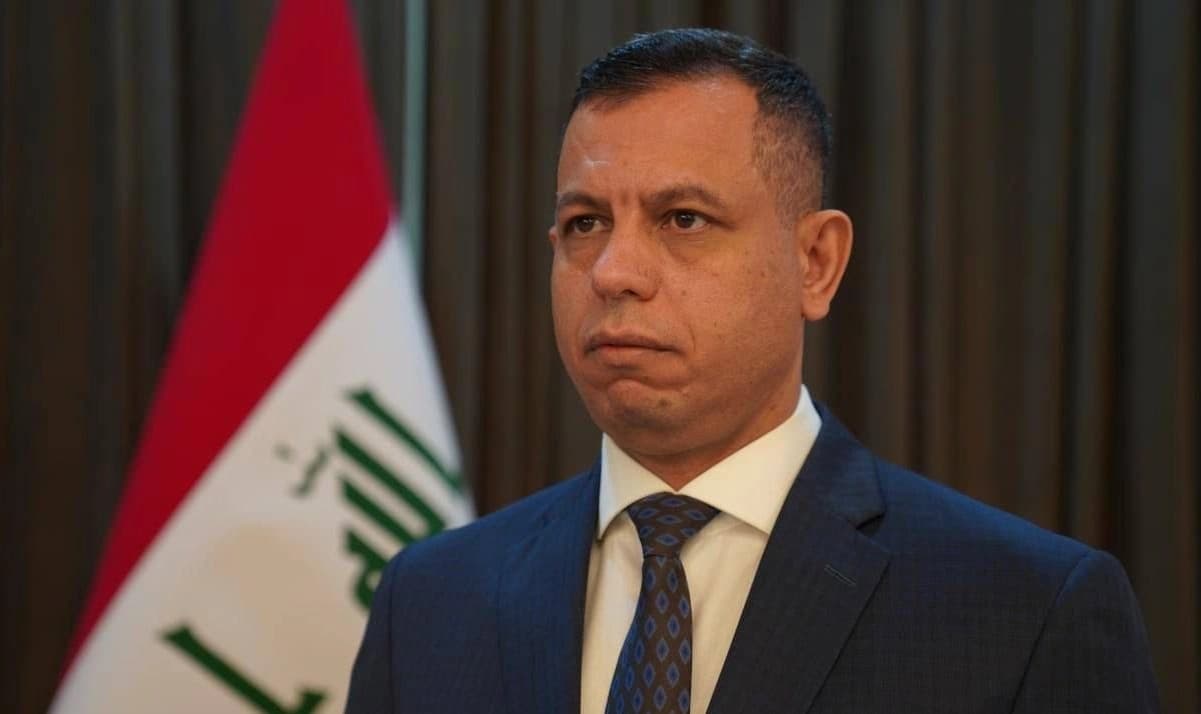
“The displaced persons currently in the camps number around 19,000 families, distributed among 16 camps in the provinces of Erbil and Duhok, the majority of whom are from the Yazidi community,” ministry Spokesperson Ali Abbas told the state-run Iraqi News Agency (INA).
He added that work is underway to “facilitate return and close the camps file,” noting that “more than 30,000” internally displaced persons (IDPs) have returned to Shingal and the areas of Qahtaniyah and Sinuni there “as security conditions and services there have stabilized.”
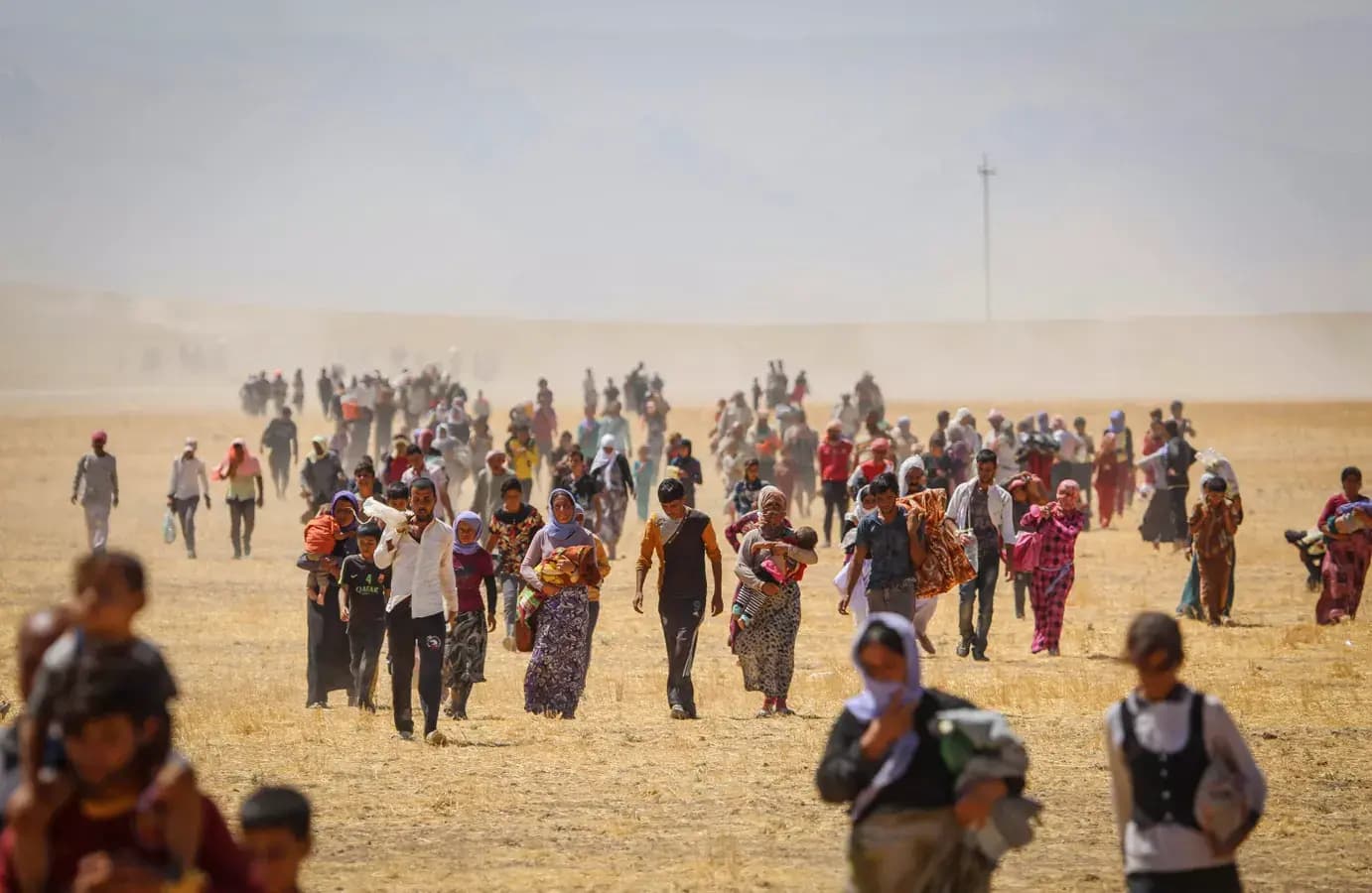
The Islamic State (ISIS) in June 2014 seized large parts of northern and western Iraq. By August, the group launched a brutal campaign against the Yazidi community in Shingal, killing an estimated 5,000 to 10,000 Yazidi men and older women, and abducting 6,000 to 7,000 women and girls for sexual slavery and human trafficking.
The United Nations officially recognized the campaign against the Yazidis as a genocide.
The ISIS attack on Shingal also forced around 400,000 Yazidis to flee, with most seeking refuge in the Kurdistan Region.
A key deterrent preventing the return of IDPs is the presence of a patchwork of armed groups, including Iraqi federal forces, Popular Mobilization Forces (PMF), and local armed groups, including the Shingal Protection Units (YBS).
Also, much of the district and its surrounding villages were reduced to rubble during the war against ISIS.
Pascal Reyntjens, head of the International Organization for Migration (IOM) in early August told Rudaw that some 200,000 Yazidis are “still displaced, either in the country... or abroad.”
Meanwhile, Abbas on Wednesday pointed to a strategy drawn up by the United Nations in coordination with the Iraqi prime minister's office to “rehabilitate areas of Shingal and encourage families to return, drawing on international support to address a funding shortfall.”
“Field visits have covered urban areas and border villages,” he said, with the aim of “restoring health, education, roads, electricity and water services.”
Baghdad had in previous years encouraged displaced Yazidis to return to Shingal, offering returning families four million Iraqi dinars (around $3,000) in financial assistance, along with basic household appliances.
However, implementation has been uneven, with many returnees saying they have yet to receive the promised assistance due to budget delays, while security concerns, damaged infrastructure, and a lack of basic services continue to deter many families from returning.