
ERBIL, Kurdistan Region - An Iraqi environmental organization has warned that several cities in Iraq could face large-scale climate-induced migration within the next 50 years if environmental degradation continues unchecked, while the Iraqi Ministry of Environment says it is implementing adaptation measures to address the climate crisis.
“If the current situation continues without effective solutions, there is a possibility that Basra, Maysan and Baghdad could become depopulated within the next 50 years,” Omar Abdul Latif, a member of environmental NGO Iraq Green Observatory, told Rudaw's Nahro Mohammed on Sunday, citing continued extreme heat, gas flaring and rapid urbanization as existential threats.
Meanwhile, Amir Ali Hassoun, a senior director in Iraq’s Ministry of Environment, told Rudaw on Sunday that the ministry “continues to implement programs aimed at adapting to climate change through expanding green spaces, reducing harmful emissions and protecting natural resources.”
Iraq ranked 11th among the world's most polluted countries in IQAir's 2025 World Air Quality Report, released in March 2026, with air pollution levels more than seven times above WHO guidelines. While Iraq recorded only three to five such days annually before 2010, today cities including Baghdad, Basra and Maysan experience between 25 and 40 days each year with temperatures above 50 degrees Celsius, representing an increase of around 800 percent.
Latif identified factors in Baghdad such as increased construction, heavy traffic, private generators and limited green spaces as contributors. “Concrete buildings absorb heat during the day and release it at night, increasing urban temperatures,” he said.
The Kurdistan Region is faring comparatively better than central and southern Iraq, said Latif, citing more stable electricity supply, reduced reliance on private generators, improved vehicle standards and a greater number of green spaces geographically and in cities.
He noted the latter as a byproduct of Kurdistan Region PM Masrour Barzani’s initiative, a seven-million-tree ‘green belt' project in Erbil in October 2025 in which over millions of pistachio and olive trees were planted along the capital’s circumference.
Hassoun told Rudaw that Iraq has experienced increasingly severe heatwaves and a growing number of days when temperatures exceed 50 degrees Celsius which have “direct impacts on the environment, public health and the economy.”
The NGO recorded an estimated loss of $150 million for each day that temperatures exceed 50 degrees Celsius, estimating that heat-related economic losses exceeded $9 billion during the summer of 2025 alone due to power outages, disruptions to industrial activity, increased fuel consumption and reduced productivity in both the public and private sectors.
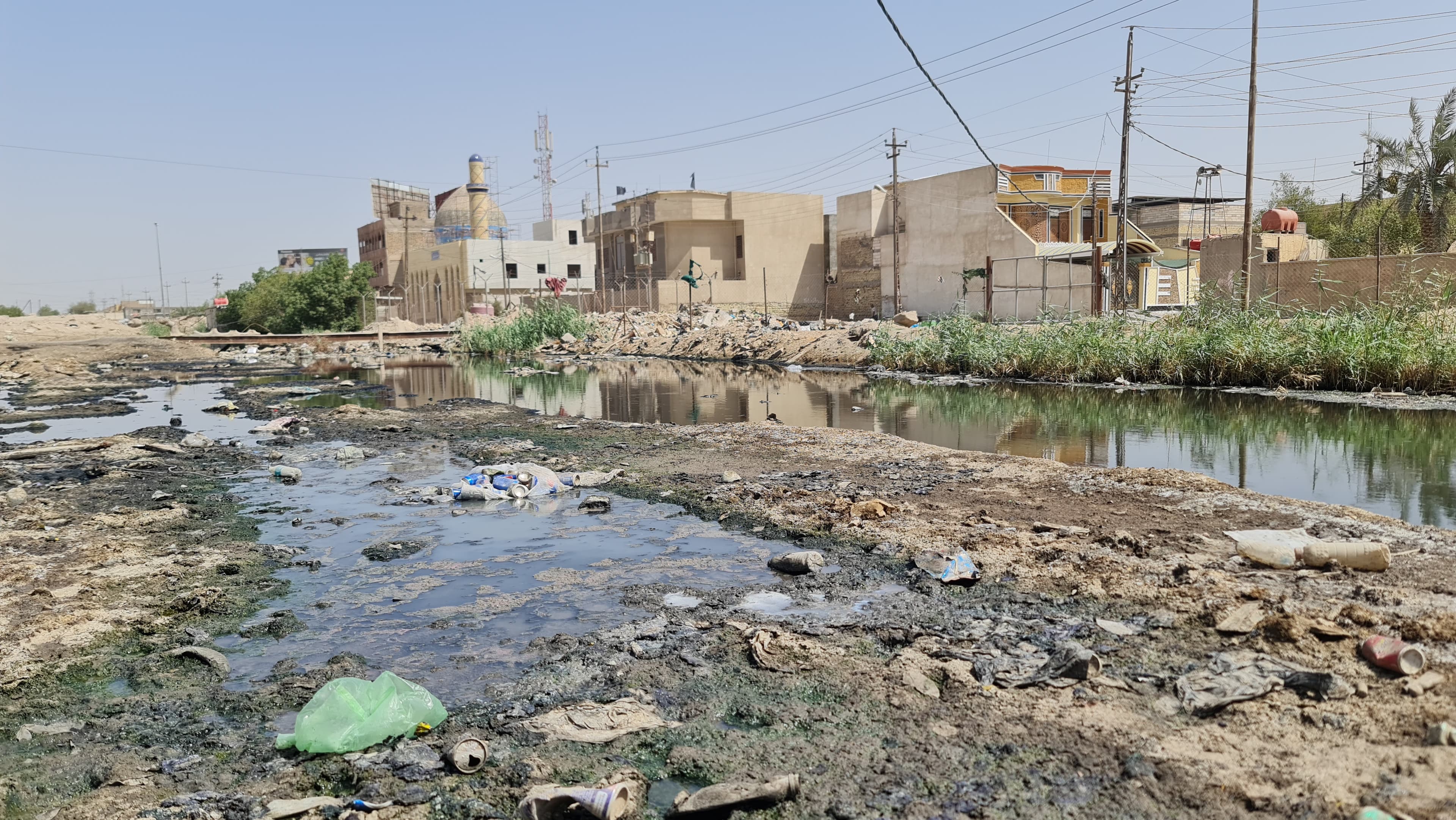
Iraq Green Observatory also reported significant health and environmental impacts. According to the organization, hospitals recorded 3,200 cases of heat exhaustion and heatstroke in July 2025, while 60 percent of roadside trees were lost due to extreme heat and drought conditions. Dust storms also increased by 70 percent.