.jpeg&w=3840&q=75)

ERBIL, Kurdistan Region - Iraq will fully upgrade its air defense system within three years, the commander-in-chief’s spokesperson said Friday, following an airspace intrusion by a neighboring country.
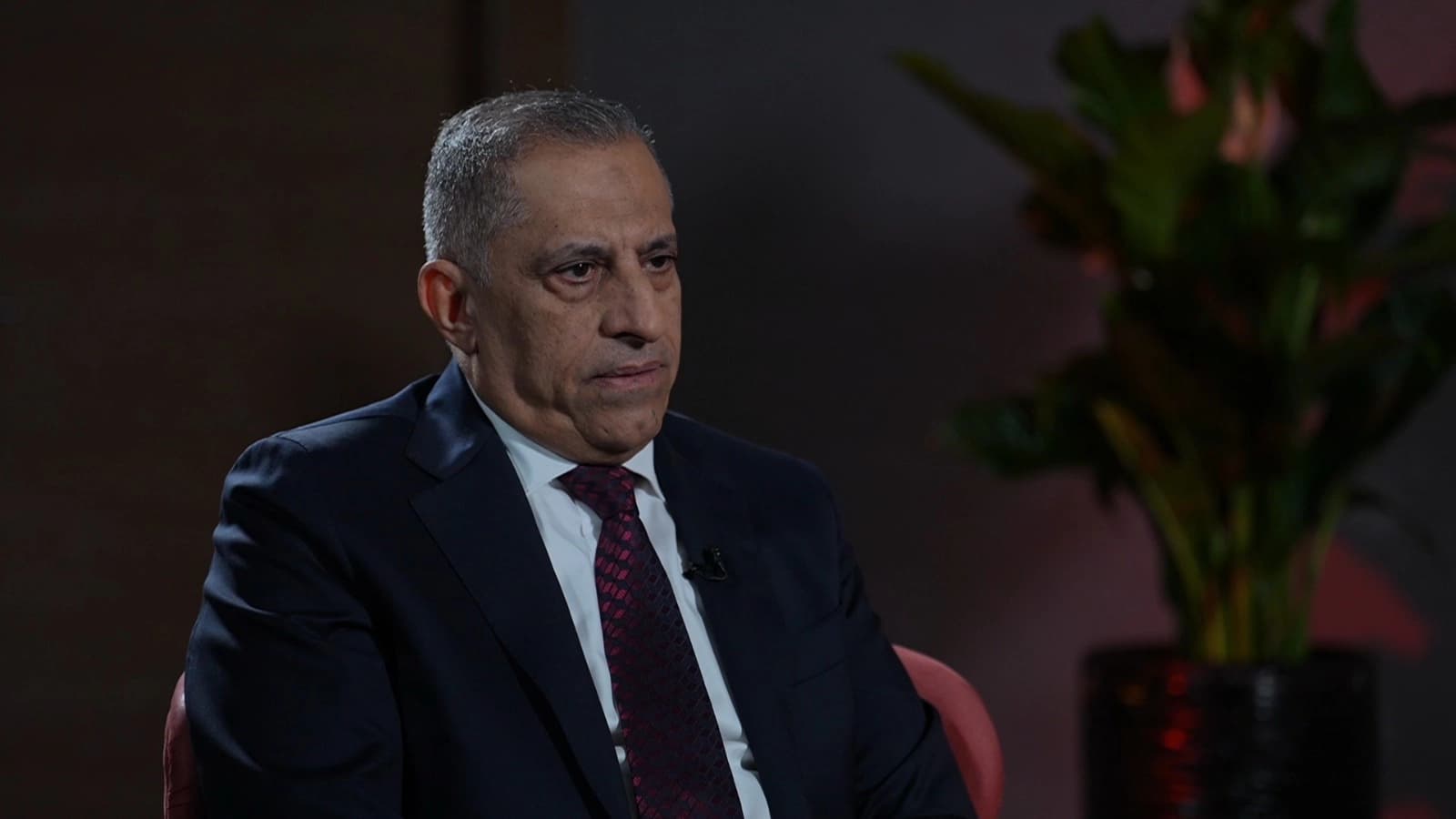
"The commander-in-chief ordered the establishment of a special fund to finance the air defense sector,” Sabah al-Numan told Rudaw’s Gashaw Khalid, noting that “it was also decided to shorten the plan designed to develop this sector—which was initially scheduled to extend from 2026 to 2031—to just three years, without affecting the technical and technological aspects."
The move follows late July strikes by the US and Saudi Arabia on Popular Mobilization Forces (PMF) positions in Baghdad and five other provinces. The PMF said the attacks killed "at least 20" members and injured "32 others."
US Central Command (CENTCOM) said the "precision strikes in Iraq" targeted "Iran-aligned terrorists that the Islamic Revolutionary Guard Corps (IRGC) directed to attack US forces and Saudi energy infrastructure."
The Saudi defense ministry called the operation a response to "reprehensible drone attacks carried out against the Kingdom by Iran-backed militias in Iraq," citing "the Kingdom's determination to deter the perpetrators and its right to respond."
Saudi military spokesperson Maj. Gen. Turki al-Malki said the strikes followed a late July incident where "air defenses intercepted and destroyed a number of drones... which attempted to target oil facilities in the Eastern Province."
"These terrorist attempts originated from Iraqi territory and were carried out by terrorist militias affiliated with Iran," Malki said.
Riyadh reported a similar drone attempt originating from Iraq a day earlier. Baghdad denied the claims, stating there is no evidence the attacks were launched from its territory.
Amid the tensions, an Iraqi security delegation visited Riyadh this week.
"The Iraqi delegation's visit to Saudi Arabia is a continuation of prior understandings reached in Baghdad with the Saudi security delegation," Numan said. "In this meeting, we focused on protecting international borders, intelligence coordination, and exchanging information, while emphasizing respect for the sovereignty of both countries and preventing any violations."
Numan described the security relations between Baghdad and Riyadh as "historical and important," stressing that "this partnership is a fundamental factor for maintaining the region's stability." He noted that both parties agreed to prevent any attacks targeting either country's territory.
Detailing the expedited military upgrades, Numan said the new plan includes supplying the country with medium- and long-range radar systems, missile forces, and advanced command and control systems.
"Contracts concluded with reputable international companies are ongoing, in coordination with the finance ministry to allocate the necessary funds for the air defense fund, in order to fully protect Iraq's airspace sovereignty," he explained.
Abdul Amir al-Shammari, director of the Iraqi commander-in-chief’s office, led the security delegation to Saudi Arabia on Thursday for high-level talks. The group included intelligence chiefs Hamid al-Shatri and Falah Shaghati, Air Defense Commander Muhannad al-Asadi, and Counter-Terrorism Service Chief Zaid Hoshi.
Saudi Defense Minister Prince Khalid bin Salman met with Shammari in Riyadh, the Saudi defense ministry announced Thursday.
During the meeting, the two officials reviewed bilateral military and defense relations and discussed recent regional developments, emphasizing the importance of ongoing coordination and cooperation to serve their mutual interests and ensure the security and stability of the region.
RELATED: High-level Iraqi security delegation in Saudi Arabia for talks amid drone attack tensions