
ERBIL, Kurdistan Region - Iraq is continuing its efforts with Arab and Gulf neighbors to bolster cooperation and safeguard shared interests, the country’s national security advisor stated, shortly after Baghdad’s foreign ministry condemned attacks on neighboring Arab states launched by Iran against what it claims are US targets in those countries.
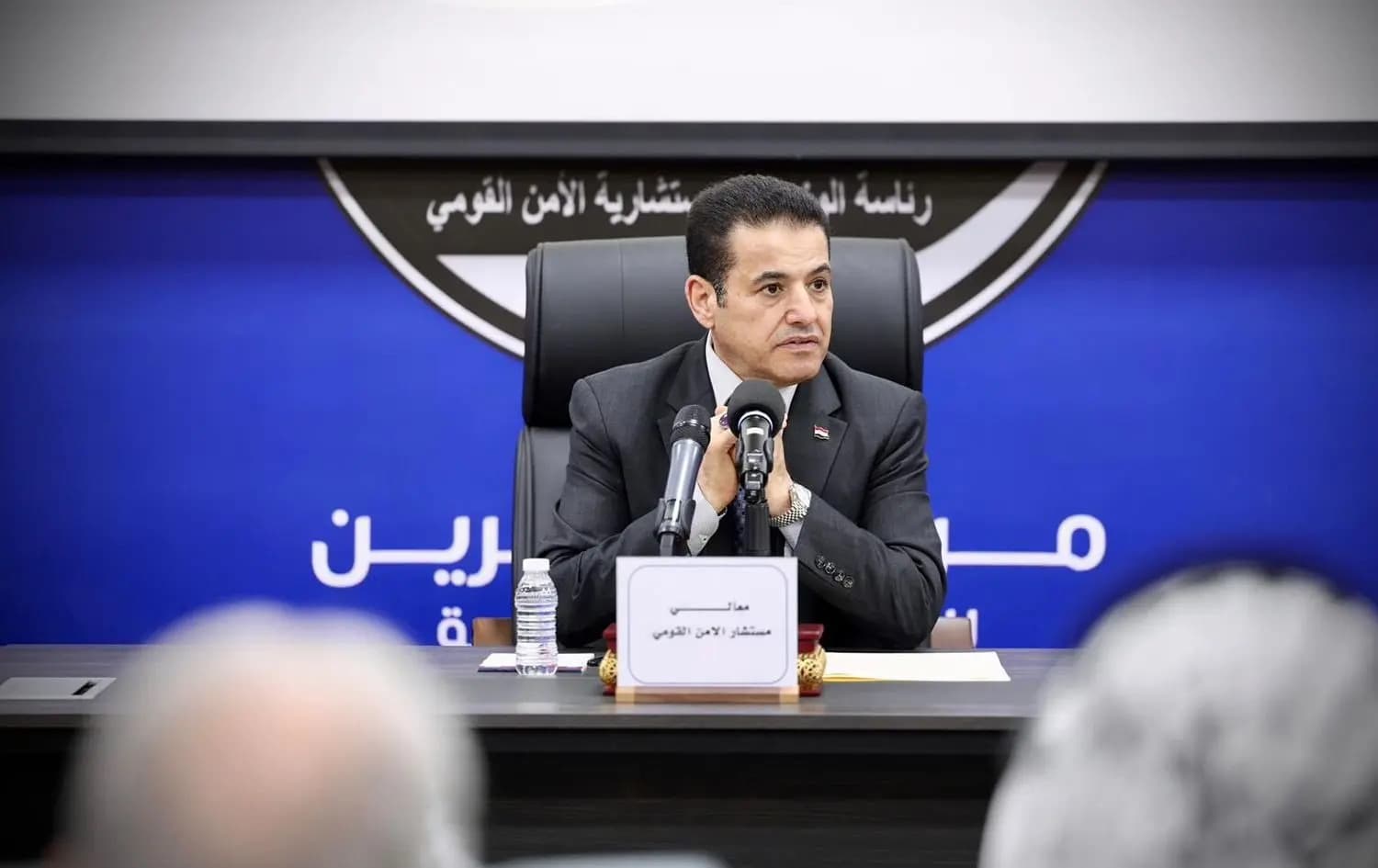
“Iraq believes that de-escalation, dialogue, and constructive partnership constitute the most effective path to safeguarding shared interests and enhancing opportunities for progress across the region,” Qasim al-Araji said in a late Thursday statement on X.
Accordingly, he said that “Iraq continues to work with its Arab and Gulf partners, as well as neighboring countries, to foster an environment based on mutual understanding, cooperation, and respect for sovereignty.”
The effort aligns with Baghdad’s “comprehensive vision aimed at strengthening national resilience and contributing to a more stable, balanced, and prosperous regional environment,” Araji concluded.
The top security official’s remarks came shortly after Iraq’s foreign ministry expressed its “condemnation of the attacks on the territories of the Hashemite Kingdom of Jordan, the Kingdom of Bahrain, and the State of Kuwait,” launched by Iran.
“The stability of Arab and neighboring countries is an integral part of Iraq’s stability and national security, which necessitates maintaining strategic relations among regional states and safeguarding shared interests,” the ministry said.
The remarks came as Iran and the United States were locked in a three-day military escalation that ended on Thursday, the most intense after both sides agreed to a Pakistan-brokered ceasefire in early April.
The US and Israel launched a large-scale aerial campaign against Iran in late February, striking thousands of targets across the country during six weeks of hostilities.
In response, Iran carried out thousands of drone and missile strikes across the Middle East targeting alleged US assets - particularly in Gulf Arab states - as well as launching retaliatory attacks against Israel.
The warring sides agreed to a Pakistan-brokered ceasefire on April 8 to temporarily halt fighting and initiate negotiations, and held the first round of talks in Islamabad on April 11 without reaching a final agreement, though diplomatic efforts continued since.
As of late, US President Donald Trump on Thursday said that discussions have reached Iran's highest leadership and received approval from all parties involved, with a final agreement potentially to be signed "over the weekend in Europe."
RELATED: Trump cancels planned Iran strikes, signals potential deal signing in Europe