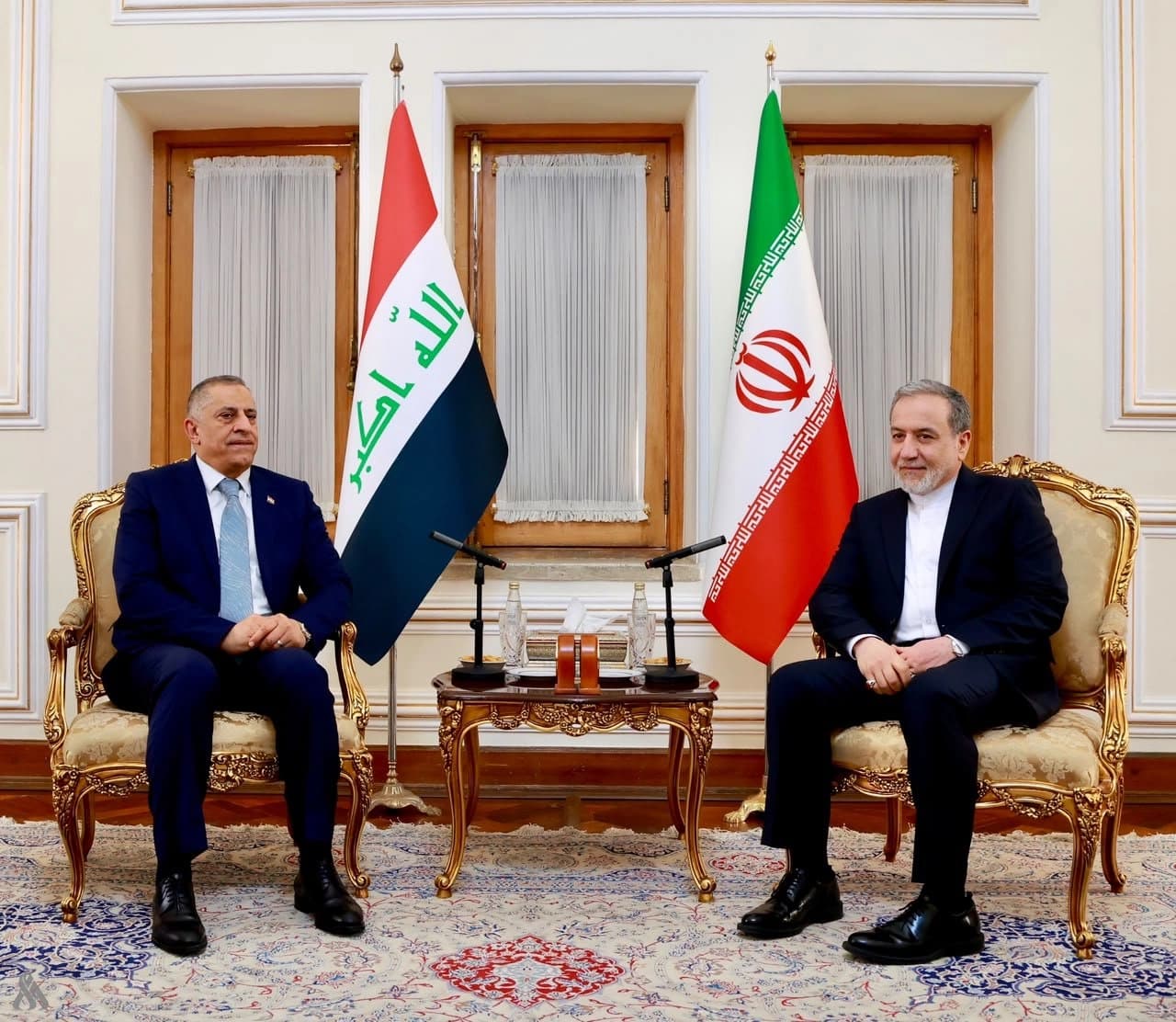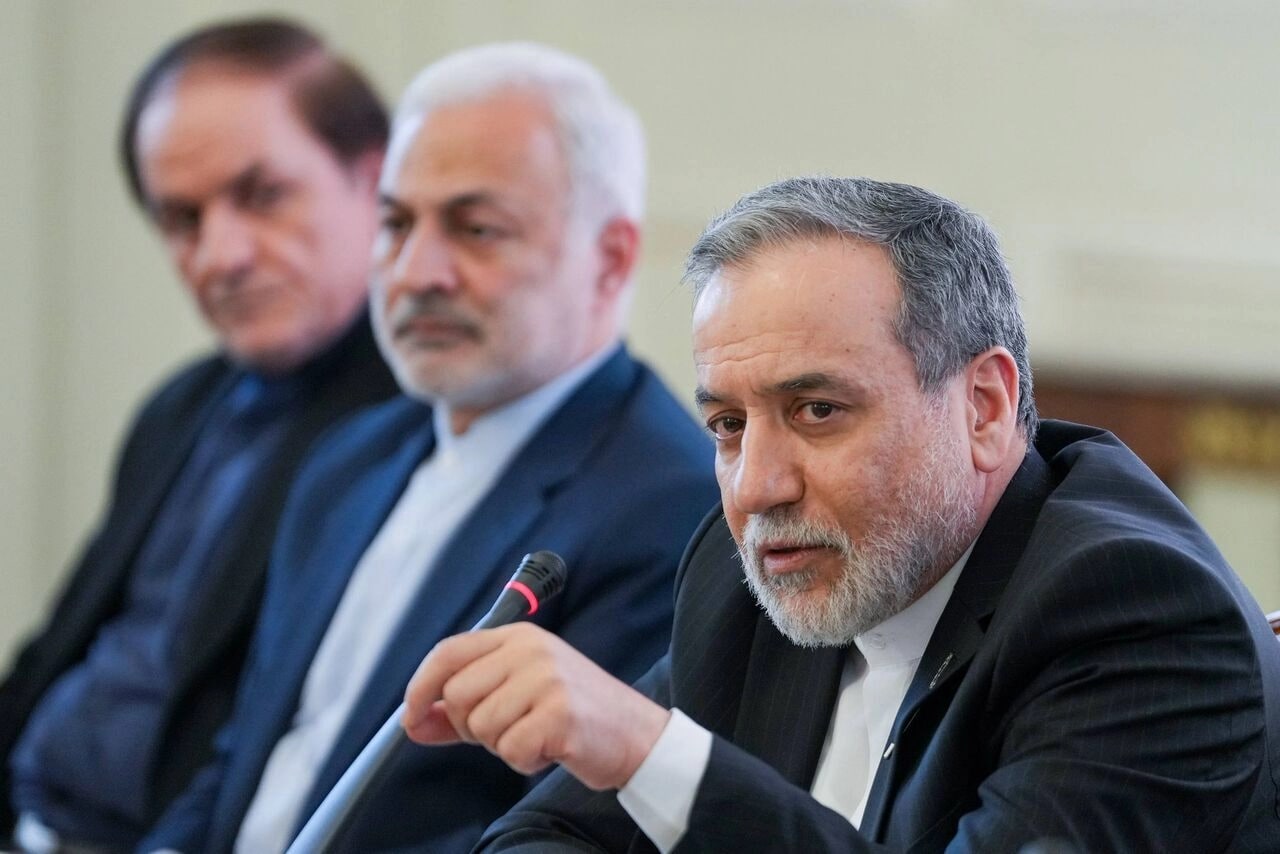

ERBIL, Kurdistan Region - Iranian Foreign Minister Abbas Araghchi said Sunday that Tehran's proposal to reopen the Strait of Hormuz within two days remains on the table, but stressed that its implementation depends on Washington meeting Iran's demands.
Speaking to reporters on the sidelines of a ceremony marking Economic Cooperation Organization (ECO) Day, Araghchi described the proposal as a balanced initiative that could pave the way for reopening the strategic waterway and beginning negotiations toward a comprehensive agreement.
"At present, there are no new developments regarding the negotiations worth mentioning, and our two-day plan remains on the table," the state-affiliated Iranian Students' News Agency (ISNA) cited him as saying, noting that the plan "could produce results within a short period, allowing the Strait of Hormuz to reopen and negotiations toward a final agreement to begin, provided our demands are met."
Araghchi maintained that Tehran's conditions were neither unusual nor unprecedented, claiming that many had previously been raised and accepted by Washington.
"I have repeatedly said that our demands are neither strange nor new. All of them have been raised in one form or another in the past, and Mr. Trump's signature appears on many of them," he said.
He said Qatar and Pakistan were continuing their mediation efforts, but that the plan had yet to reach the implementation stage.
"They regularly convey ideas concerning the implementation of the plan to both sides. Exchanges are continuing, but we have not yet reached the stage of implementing the plan," Araghchi said.
The diplomatic efforts come amid an escalating confrontation over the Strait of Hormuz, a vital international shipping corridor that handled roughly a fifth of global oil supplies before the US-Israeli war against Iran began on February 28.
Iran has sought to restrict shipping through the waterway, while Washington has maintained a naval blockade since mid-August and worked to facilitate vessel movements in defiance of Tehran's restrictions.
On Sunday, Iran’s regular army said that an oil tanker caught fire after striking a naval mine in the eastern Strait of Hormuz and accused US forces of targeting an Iranian fishing boat.
Hours later, the forces also accused the US of striking a fishing boat carrying three people near Sirik, in southern Iran’s Hormozgan province, at 3:30 am on Sunday.
The incidents followed claims by Iran's Islamic Revolutionary Guard Corps (IRGC) that two oil tankers had suffered explosions and caught fire near the Strait of Hormuz on Saturday. The IRGC said one vessel struck a naval mine near Oman's Khasab port, while another was hit in the eastern part of the strait. The claims have not been independently verified.
Washington has also continued enforcing its blockade. US Central Command (CENTCOM) said Friday that American forces had disabled the Palau-flagged M/V Pacific Archer in the Gulf of Oman after it allegedly attempted to breach the blockade.
CENTCOM said US forces had redirected 158 commercial vessels and disabled six since the blockade resumed in July, with at least 15 vessels disabled since April.
The prolonged disruption has rattled international shipping and energy markets, while sharply increasing maritime insurance and freight costs. Insurance broker Aon said earlier this month that war-risk premiums for a single voyage could exceed $10 million for a large tanker.