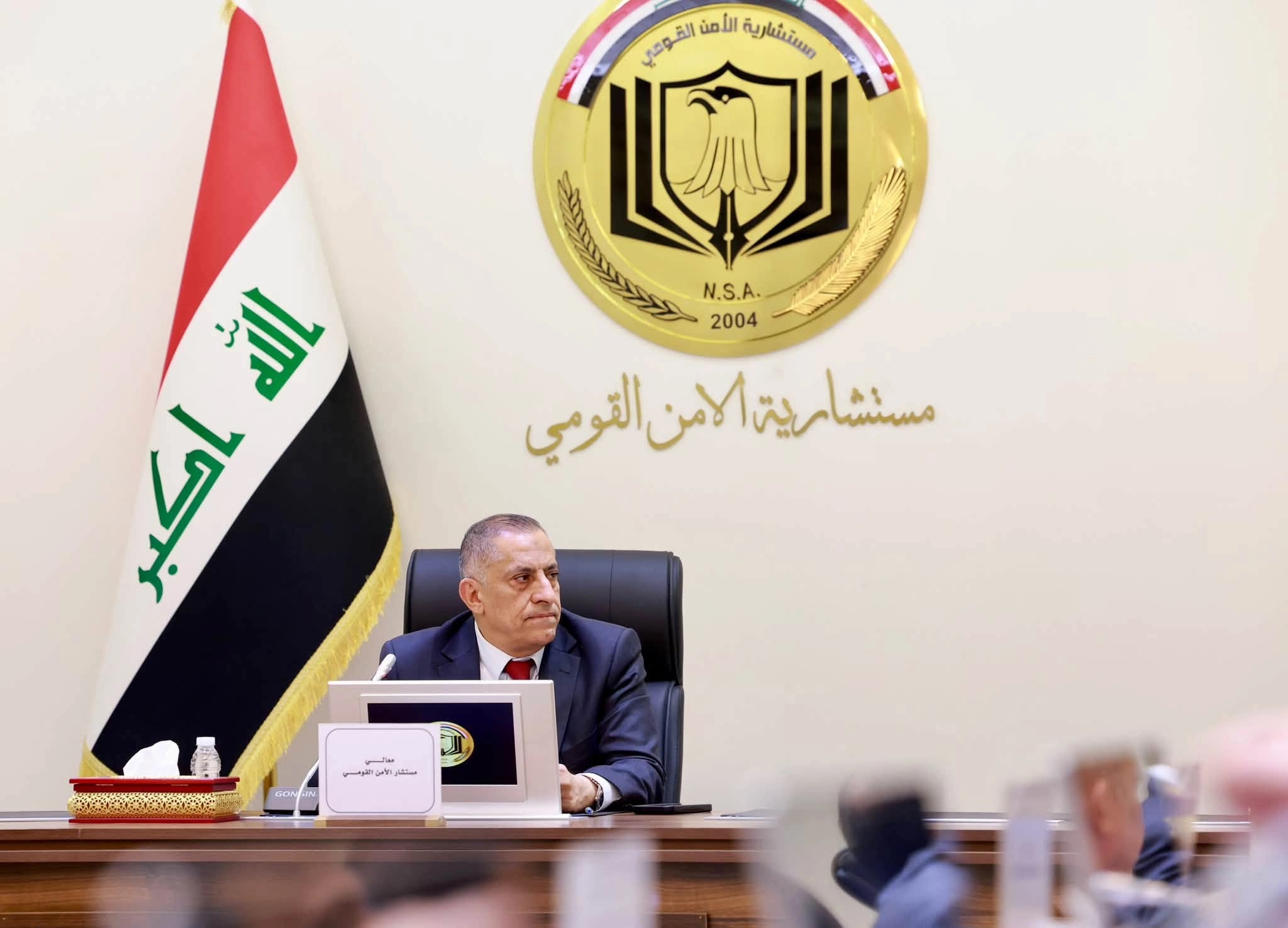

ERBIL, Kurdistan Region - Iraqi National Security Adviser Qasim al-Aboudi arrived in Tehran on Saturday as Prime Minister Ali al-Zaidi’s envoy for talks with Iranian officials, his office said, as an adviser to Iran’s supreme leader warned Baghdad against carrying out Washington’s policies on its borders.
Iraq’s ambassador to Iran, Yasser al-Hajjaj, said ahead of the visit that the Iraqi delegation would discuss counterterrorism, efforts to curb smuggling and border security, as well as closer security cooperation with Tehran. Aboudi’s office confirmed his arrival without naming the Iranian officials he would meet.
“A high-level Iraqi security delegation is holding talks on issues of strategic importance and high sensitivity, foremost among them counterterrorism and smuggling, and border control, alongside other issues of mutual interest and prospects for security cooperation between Baghdad and Tehran,” Iraqi Ambassador Yasser al-Hajjaj said in a post on X.
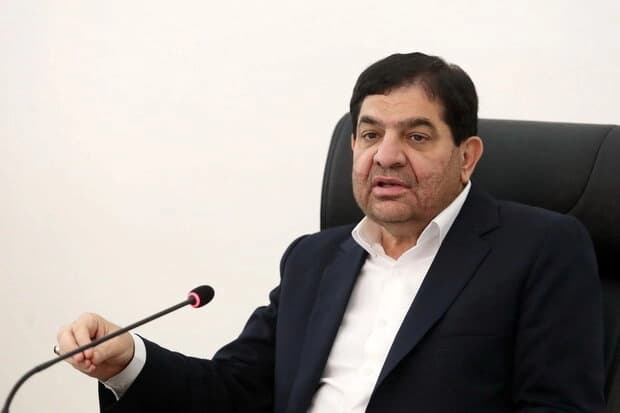
In a separate post on Saturday, Mohammad Mokhber, an adviser to Khamenei, said Iran had stood by Iraq in its most difficult days. He urged Baghdad to remain vigilant at its borders so it would not become “a tool in the hands of the enemies of Islam” or carry out the policies of US President Donald Trump. Trump on Friday publicly backed Iraqi Prime Minister Ali al-Zaidi’s efforts to stop oil smuggling and extend state authority across Iraq.
The planned visit comes two days after Iraqi border forces announced the closure of two Kurdistan Region-administered crossings, one with Iran in Halabja province and another with Syria. Zaidi had ordered federal authorities to take over all of the Region’s border crossings and manage oil ministry fields under Kurdish security control in four Iraqi provinces.
Kurdistan Region Prime Minister Masrour Barzani rejected the measures, saying they contradicted Baghdad’s assurances that disputes would be resolved through dialogue under Iraq’s constitution. Iraqi government spokesperson Haider al-Aboudi told Rudaw on Friday that Baghdad saw no crisis in its relations with Erbil and defended the campaign against oil smuggling.
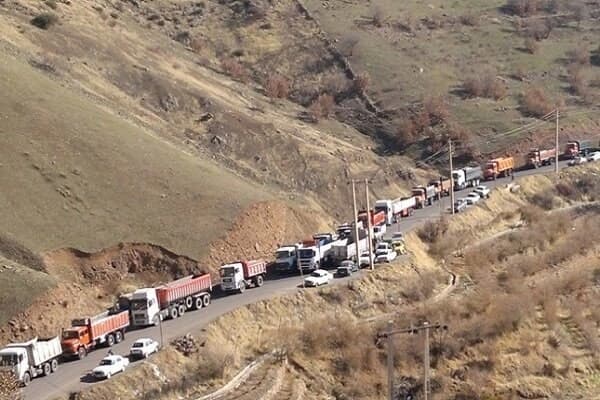
The Iraqi government’s move to assert federal control over unofficial border crossings in the Kurdistan Region has already disrupted cross-border trade with Iran. Hassan Rostamzad, deputy governor of Iran’s western Kermanshah province for economic affairs, said Friday that around 300 trucks bound for Iraq had been redirected to other crossings following the suspension of commercial activity at the Sheikh Saleh crossing, opposite Halabja province. Iraq is one of Iran’s largest trading partners, with annual bilateral trade estimated at between $10 billion and $12 billion.