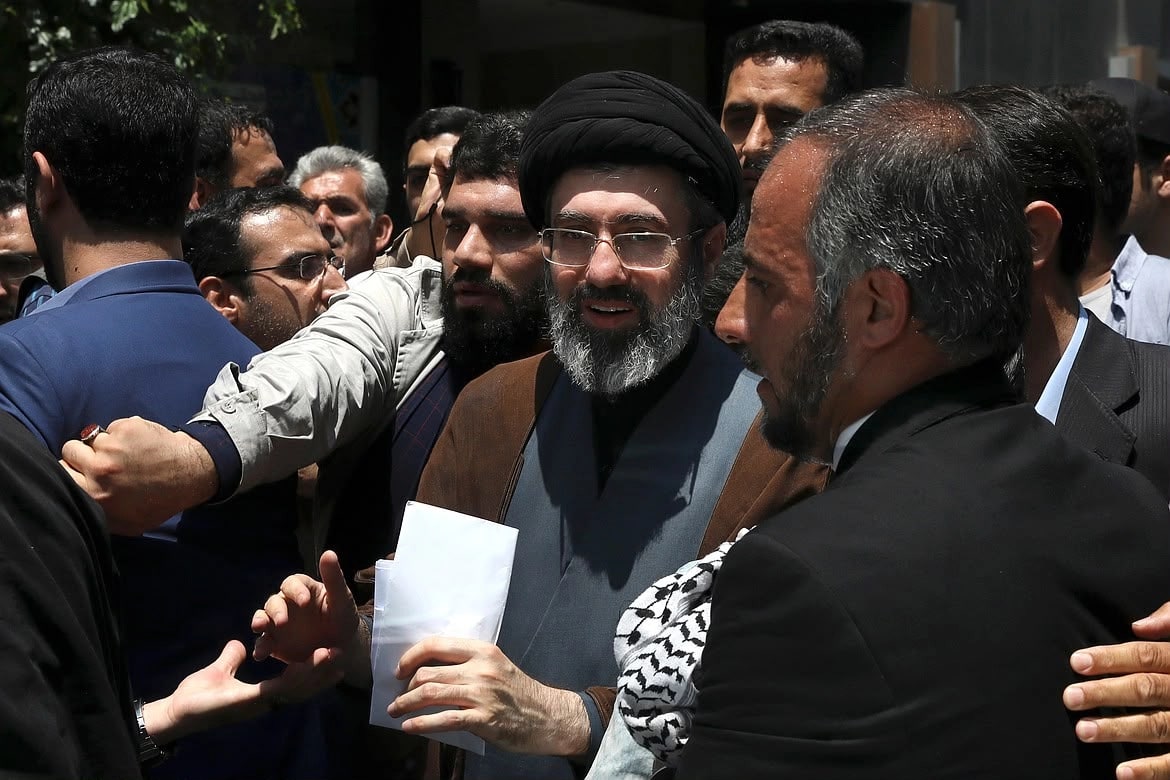

ERBIL, Kurdistan Region - Iran’s Supreme Leader Mojtaba Khamenei on Tuesday called for addressing the shortcomings of past population policies and urged greater support for marriage and childbearing, describing a young population as a key factor in strengthening the country.
“Increasing the future population of our beloved Iran, while preserving all desirable quantitative and qualitative aspects” is “one of the most important components of Iran's authority and progress,” toward achieving “an increasingly strong Iran,” Khamenei said in a written message to the fourth National Population Rejuvenation Award event, read out by Marzieh Vahid Dastjerdi on Tuesday morning, the Iranian Revolutionary Guard Corps (IRGC)-affiliated Tasnim news agency reported.
Iran has been grappling with declining birth rates and an aging population despite years of government efforts to encourage marriage and childbearing.
The United Nations estimates Iran’s fertility rate at 1.66 children per woman in 2026, below the replacement level of 2.1 needed to maintain a stable population in the absence of migration.
The statement comes as Iran grapples with rampant inflation. The Iranian toman traded at 283,600 to the US dollar, up from 170,000 in October - around a 150 percent increase.
Steep inflation has gripped the country’s Kurdish province, shopkeepers in Kermanshah and other parts of western Iran told Rudaw in September, leading to plummeting sales. In the city of Baneh, in Sina (Sanandaj) province, drivers in August said they face mounting gasoline shortages marked by long station queues and high black-market prices.
Moreover, Iran began scheduled power cuts on Sunday amid energy shortages worsened by damage to gas infrastructure during its war with the US, with authorities warning that outages could last up to two hours a day as temperatures fall.
Despite financial strain in the country, Iran in early October said it plans to remove around 15 million people who are financially “better-off” from its national food stamp program to fund an increase in benefits for those who remain in dire need, as the country’s economy battles crippling corruption, high inflation, war and sanctions.
Currency devaluation in the past year led to demonstrations in late December 2025 amid rising prices, worsening living conditions, and a sharp drop in Iran's rial and spread nationwide - including across Kurdish regions (Rojhelat) - and grew into broader anti-government demonstrations in January.
The protests led to one of the deadliest crackdowns in Iran and continued as the US and Israel launched an aerial campaign against Tehran, leading to six weeks of war. Attacks targeted military sites and killed a number of senior figures, including then-supreme leader Ali Khamanei.
Nevertheless, Khamenei said the issue had repeatedly been emphasized by his late predecessor and father, over the past decades, adding that population growth could help create scientific, cultural, economic and social opportunities, as well as counter threats posed by Iran’s enemies.
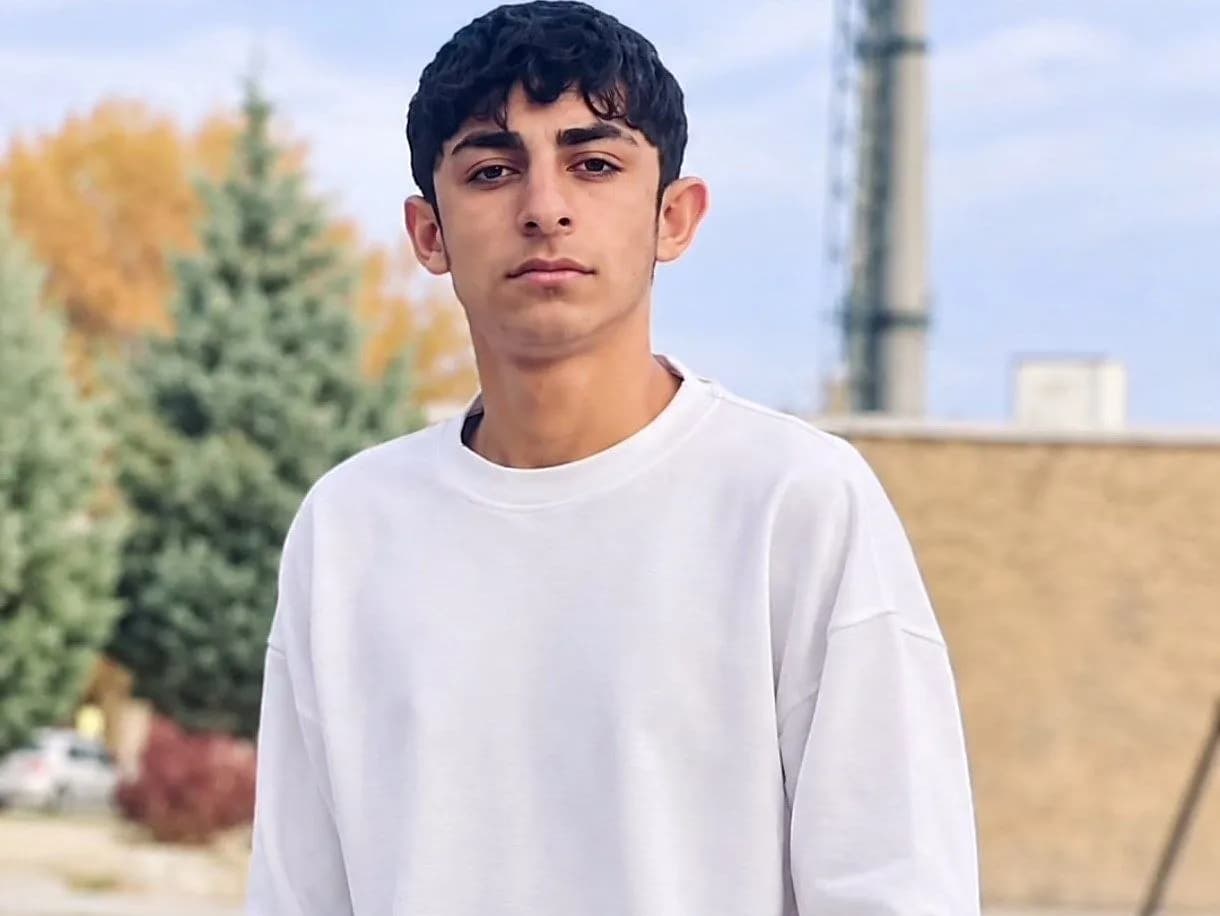
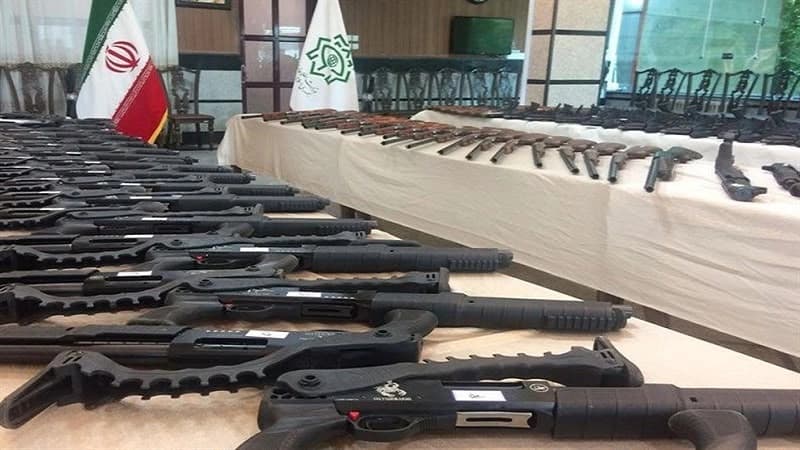
Of note, Iran earlier this year began mobilizing youth in weekly “Jan fadaye - Iran” protests, with some photos depicting a large number of children carrying guns, published by IRGC affiliated channels, amid fear of renewed hostilities. Amnesty International in April denounced recruiting and mobilizing children “as young as 12 into a military campaign led by the Islamic Revolutionary Guard Corps” as “a war crime.”
“Facilitating marriage at a young age, ensuring individual health, supporting childbearing, promoting a family-centered culture and introducing successful examples in this field are each effective steps towards a stronger Iran,” he said and that by “increasing the young population, with the family at its center, our beloved homeland will safely pass through this critical juncture,” he said.
Iran recorded around 892,000 births in the Iranian calendar year ending in March 2026, the lowest annual number in seven decades, Tasnim reported in August.
Rising housing costs, financial insecurity and the growing expenses associated with raising children have contributed to young Iranians postponing marriage and starting families, according to the report.