
ERBIL, Kurdistan Region - Iranian parliament speaker Mohammad Bagher Ghalibaf on Wednesday cited “serious and urgent measures” to improve the needs of law enforcement personnel and prioritize Tehran’s "economic resilience" amid fears of brewing nationwide unrest it attributes to US instigation.
Iran’s Law Enforcement Command (FARAJA) played a major role in the crackdown on activists, members of civil society, and demonstrators during the early January 2026 nationwide protests and “Woman Life Freedom” movement of 2022, in which human rights groups documented thousands of protestors killed by Iranian security forces.
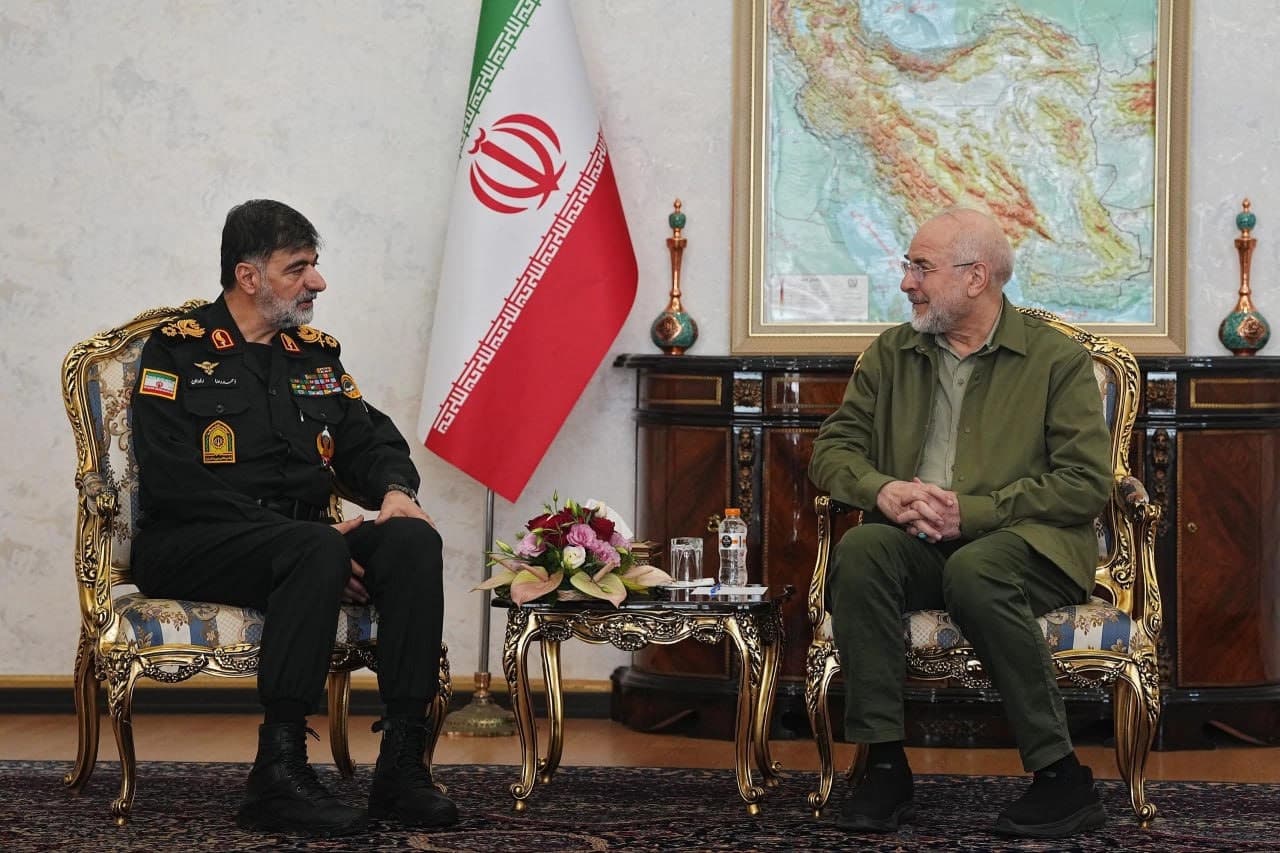
Speaking at a meeting with the commander and members of FARAJA, Ghalibaf said the United States was exploiting economic gateways and "disrupting internal security" in the face of Iran’s military deterrents, according to Iranian outlet Entekhab.
Ghalibaf affirmed Tehran’s “main priority … to try to improve economic resilience and ensure internal security,” calling for “serious and urgent measures to meet the needs of FARAJA personnel in various infrastructural, economic, and livelihood areas,” following US “pressure on the economic sphere.”
Nationwide protests in Iran began in late December 2025 and escalated through January 2026, initially triggered by worsening economic conditions and a sharp devaluation of Iran's currency before turning into broader calls for political change.
Iranian security forces, including FARAJA, were deployed to the streets and responded with lethal weapons, killing at least 3,356 protesters and bystanders on January 8 and 9 alone, according to a recent report by Iran Human Rights (IHR). Estimates of the death toll vary widely, ranging from 15,000 according to the US-based Human Rights Activists News Agency (HRANA), which has verified at least 7,000 cases, to 52,000 according to US President Donald Trump.
Human Rights Watch has repeatedly described impunity among Iranian security forces as widespread, saying authorities have failed to meaningfully investigate numerous allegations of excessive force, torture and sexual assault.
Similarly in September 2022, the death of 22-year-old young woman Zhina Amini from Iran's Kurdish-majority western regions (Rojhelat) - over her alleged violation of the country's mandatory hijab laws - sparked the nationwide “Woman, Life, Freedom” movement in which Iranian security forces gunned down at least 377 protesters and bystanders, including 56 children according to Amnesty.
Iran’s announcement of full support for its security forces, FARAJA in particular, comes as ongoing sanctions and disrupted oil exports have triggered rapid inflation in Iran and sent the rial to record lows - factors that authorities fear could spark yet another bout of nationwide unrest.
The rial traded at around 2.68 million to the US dollar on Saturday, down from 2.63 the previous day, according to free-market trackers cited by Reuters.
Open-market rates moved to around 2.69 million to 2.70 million rials per dollar on Monday. The rial has lost more than half of its value over the past year.