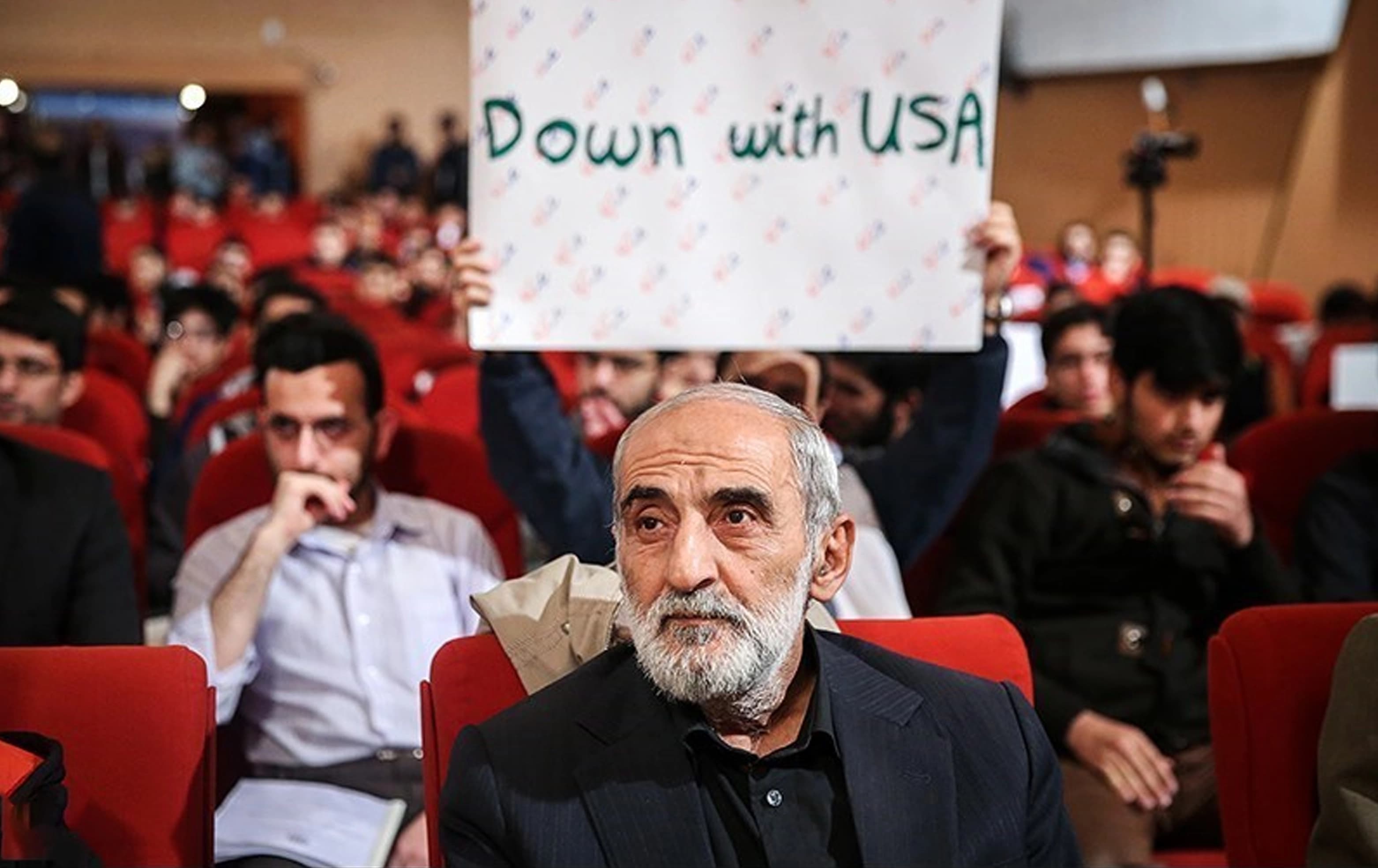
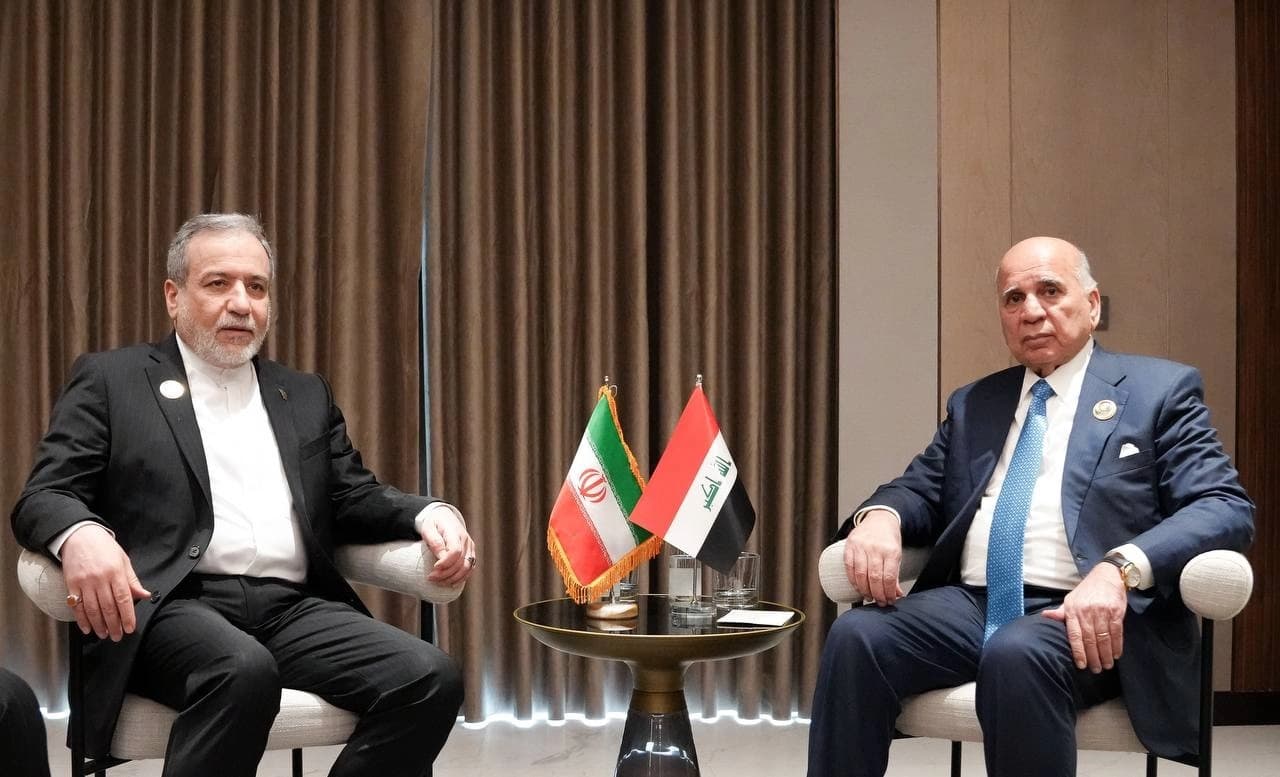
ERBIL, Kurdistan Region - Hossein Shariatmadari, representative of Iran's Supreme Leader, accused Iraqi Prime Minister Ali al-Zaidi on Tuesday of accepting and implementing US sanctions against Iranian airlines, amid uncertainty over the resumption of flights between the two countries. Shariatmadari, who heads the state-sponsored Kayhan newspaper, said the issue was clear and left “the slightest room for doubt” that Zaidi's government had accepted and implemented the US measures against Iran's air carriers. He described Zaidi's government as “Western-oriented” and praised protests held in Baghdad and Najaf against the suspension of Iranian flights, said Shariatmadari in his column. The comments came amid continuing uncertainty over air links between Iran and Iraq. Commercial flights operated by Iranian carriers between the two countries were suspended on Friday after new US sanctions targeting Iran's aviation sector disrupted services at Iraqi airports. The Iraqi government has sought a US waiver to allow Iranian flights to resume for humanitarian and civilian purposes, including medical treatment, education and religious travel. On Monday, Iraq's ambassador to Iran, Yasser Abdul-Zahra al-Hajjaj, said Najaf International Airport would reopen to Iranian flights “within 24 hours.” He said there had been no Iraqi government order to halt the flights and that private foreign ground-handling companies had stopped servicing Iranian airlines over concerns about US sanctions. Iran's aviation authorities, however, said there had been no new decision on resuming flights between Iran and Najaf, creating conflicting accounts over when Iranian carriers can return. Iraqi Airways has separately resumed flights between Najaf and Iranian airports, a move that does not affect the US sanctions targeting Iranian carriers. The suspension has triggered protests in several Iraqi cities and pressure from Iran-aligned political and armed groups. Kata’ib Hezbollah warned Zaidi on Monday that it could take action if what it called the “air blockade” on Iran remained in place after October 1, including possible steps against border crossings with countries involved in the restrictions. The latest criticism from Tehran adds to growing pressure on Baghdad over its response to US sanctions, as Iraqi officials try to keep civilian travel with Iran operating without exposing Iraqi institutions and companies to US financial penalties.