
ERBIL, Kurdistan Region - Iran’s top national security official issued warnings on Wednesday regarding alleged Israeli activity in the Kurdistan Region and called for tighter security along Iran’s western border, as a general strike was widely observed across Kurdish cities in Iran on the fourth anniversary of the death of Zhina (Mahsa) Amini.
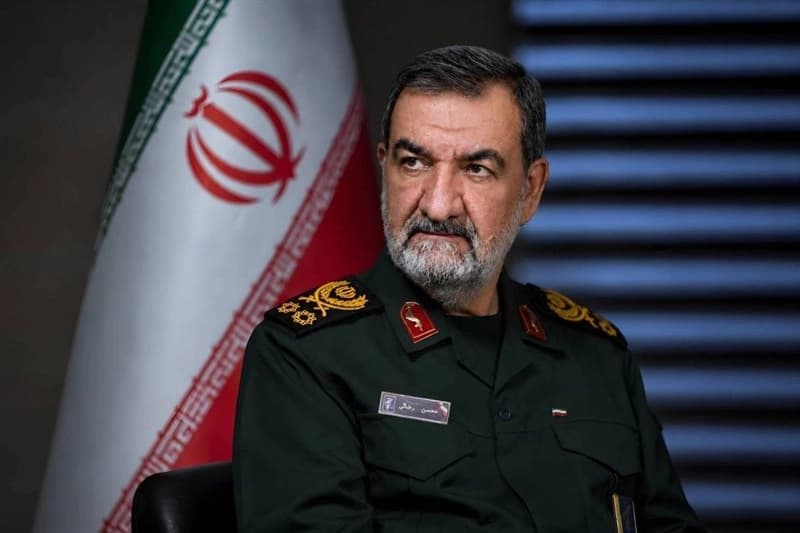
Mohsen Rezaei, secretary of the Supreme National Security Council - Iran’s top security body - raised the issue during a meeting with Patriotic Union of Kurdistan (PUK) leader Bafel Talabani, according to Iran’s Tasnim news agency, an outlet affiliated with the Islamic Revolutionary Guard Corps (IRGC).
Rezaei stressed the need to address the Kurdish armed groups, secure the border and expand economic cooperation, while warning about what he alleged as Israeli activity in the Kurdistan Region.
Talabani also backed stronger economic, security and diplomatic cooperation and emphasised resolving the issue of armed groups and maintaining border security, according to the report.
The meeting came on September 16, exactly four years after Amini, a 22-year-old Kurdish woman from Saqqez, died following her detention by Iran’s morality police in Tehran. Her death triggered the nationwide Woman, Life, Freedom protests - one of the largest and most widespread protests Iran had seen in over a decade.
A coalition of six major Iranian Kurdish opposition parties last week called on residents and shopkeepers across Rojhelat to join a general strike on Wednesday to mark the anniversary. Businesses were closed across many Kurdish cities in western Iran, with the action appearing to be widely observed despite pressure from security agencies.
Rezaei’s warning also comes against a long history of Iranian accusations that Israel’s Mossad operates from the Kurdistan Region, claims repeatedly rejected by Kurdish authorities, but which Iran has previously used as justification for missile attacks on Erbil.
In January 2024, the IRGC fired ballistic missiles at Erbil, claiming it had struck a Mossad headquarters. The missiles instead hit the home of Kurdish businessman Peshraw Dizayee, killing four civilians. Kurdistan Region authorities denied the presence of Israeli intelligence at the site.
Tehran has also repeatedly targeted Iranian Kurdish opposition groups based in the Kurdistan Region.
The remarks come a day after Iranian foreign minister Abbas Araghchi on Tuesday told Talabani that Iran seeks to expand economic and security ties, emphasizing the “extensive capacities available in the border areas of the two countries” and underscoring Iran’s readiness to “strengthen and expand ties with the Iraqi Kurdistan Region, especially Sulaimani, by focusing on increasing economic and trade exchange, enhanced security coordination along shared borders,” according to Tasnim.
Iran and Iraq signed a security agreement in March 2023 under which Baghdad and Erbil committed to preventing Iranian Kurdish groups from using Iraqi territory to launch attacks against Iran. The groups were subsequently moved away from the border and their positions restricted as part of efforts to implement the deal.
Despite the agreement, Iranian missile and drone attacks have persisted, even during periods of ceasefire.
Kurdistan Region officials say the Region has been subjected to more than 1,000 missile and drone attacks from Iran and Iran-aligned armed groups as of August, particularly during periods of heightened regional conflict.
The attacks have killed civilians, members of Iranian Kurdish opposition groups and Peshmerga fighters belonging to the Kurdistan Regional Government.
Tehran has repeatedly said the strikes are aimed at opposition groups or alleged Israeli-linked targets. Erbil has consistently rejected those claims and says the Kurdistan Region poses no threat to Iran.
Rezaei’s remarks therefore came at a particularly sensitive moment: on the anniversary of Amini’s death, as Kurdish opposition groups demonstrated their continued ability to mobilize a broad shutdown across Iran’s Kurdish region.