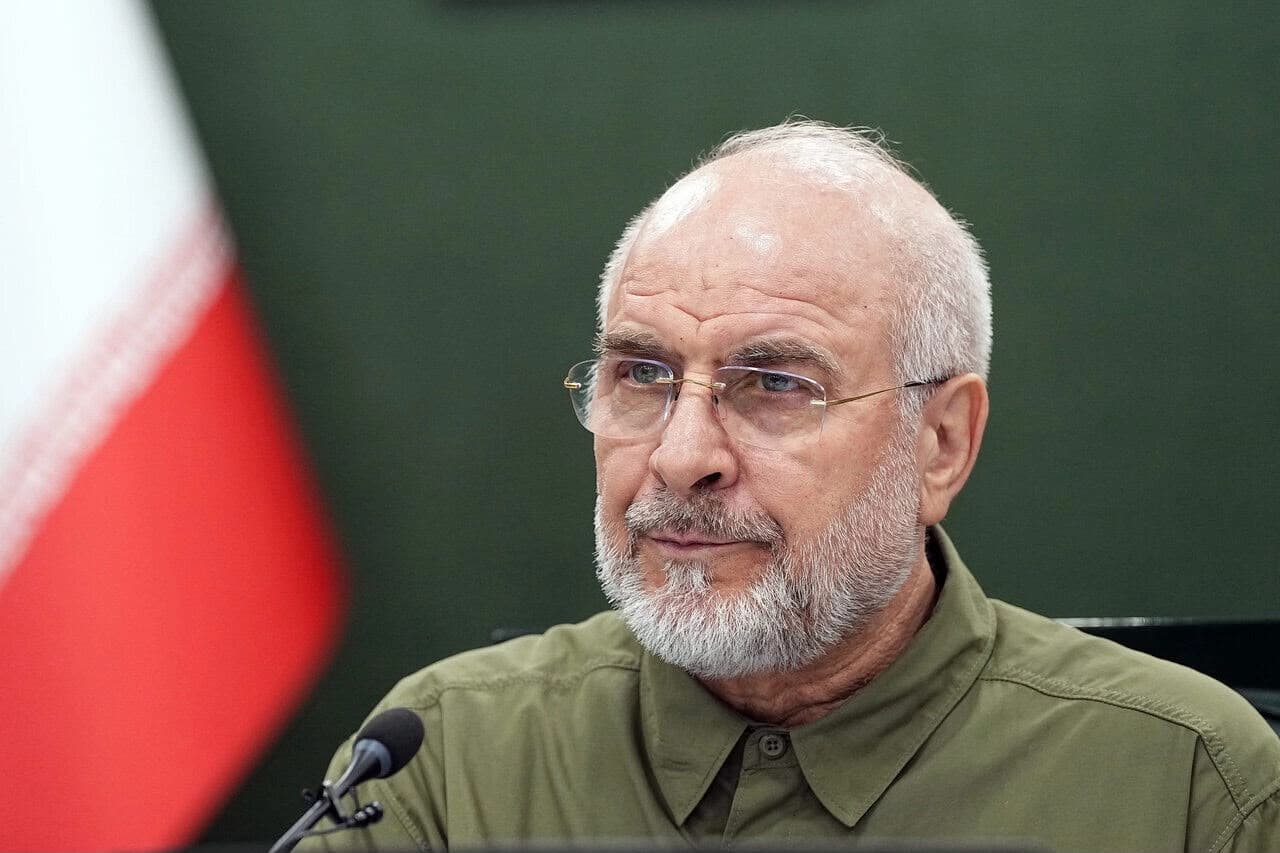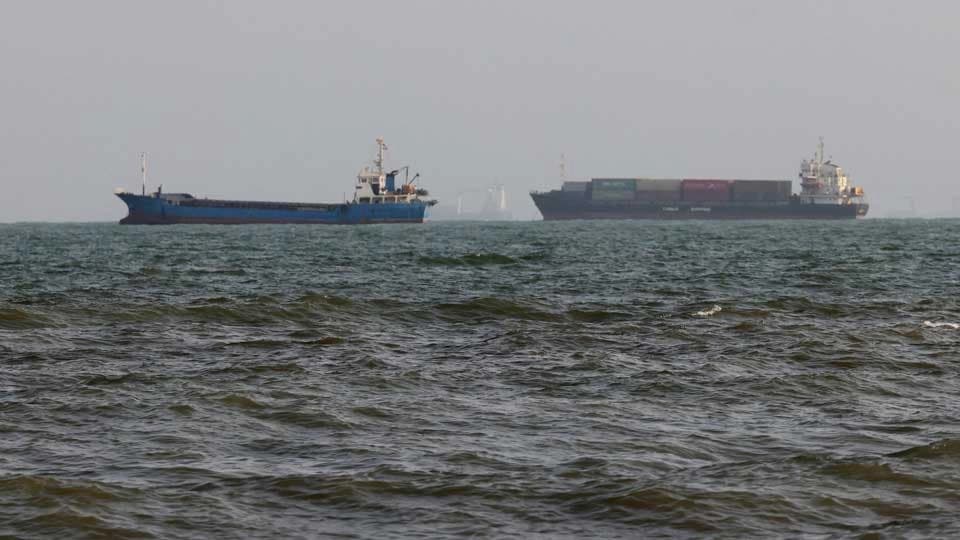

ERBIL, Kurdistan Region - Iran is continuing to export crude oil despite the US naval blockade and is pursuing several methods to bypass restrictions on deliveries to customers, Oil Minister Mohsen Paknejad said on Friday, as the gasoline shortages in the country reach a critical point with long queues reported across the country.
“The blockade continues, but the oil industry has not stopped delivering oil to customers,” Paknejad said, according to Shana, the ministry’s official news agency. “We are pursuing various approaches and have taken measures to overcome the blockade.”
The US has intensified economic pressure on Tehran alongside its naval blockade, calling the latest phase “Operation Economic Outcast,” aimed at cutting Iran off from international financial networks and pressuring it to stop attacks on vessels in the Strait of Hormuz. US Treasury Secretary Scott Bessent said on Friday that the European Union had joined the US campaign to sever Iran’s financial lifelines.
Iran, however, remains defiant even as the blockade has brought its oil exports close to a standstill. Iran loaded around 220,000 to 255,000 barrels per day in August, down from 740,000 in July and around two million barrels per day in March, according to Vortexa and Kpler data cited by Reuters.
Paknejad said Tehran had already experimented with moving oil beyond the blockade zone during an earlier phase of the conflict, arranging for crude to be delivered to customers thousands of kilometres from the Persian Gulf and Gulf of Oman. During a brief gap between two phases of the blockade in June and July, Iran moved a “considerable” volume of crude outside the region, he said.
He also said Iranian crude exports continued uninterrupted during the initial 40-day war despite heavy attacks on energy infrastructure, including around 550 strikes on Kharg Island, Iran’s main oil export hub.
US Central Command said that, as of Thursday, American forces had redirected 87 commercial vessels, disabled three and boarded two while enforcing the blockade.
“Iran’s export lifeline is being cut off,” Bessent said, citing stranded oil, limited storage and falling revenues.
The pressure is also being felt domestically, with long queues reported at petrol stations across Iran. Petrol consumption reached around 148 million litres a day last week as the holiday season began ahead of schools reopening in late September, according to semi official news agency ISNA.
Iran has the capacity to produce around 120 million litres of petrol per day, leaving the country increasingly dependent on imports at a time when the Strait of Hormuz remains heavily restricted.
But even if Iran has the financial means, the country won’t be able to import gasoline due to the blockade.
Iran’s Executive Vice President Mohammad Jafar Ghaempanah acknowledged this last week stating that Tehran was unable to import petrol because of the US naval blockade, while domestic production is also insufficient.