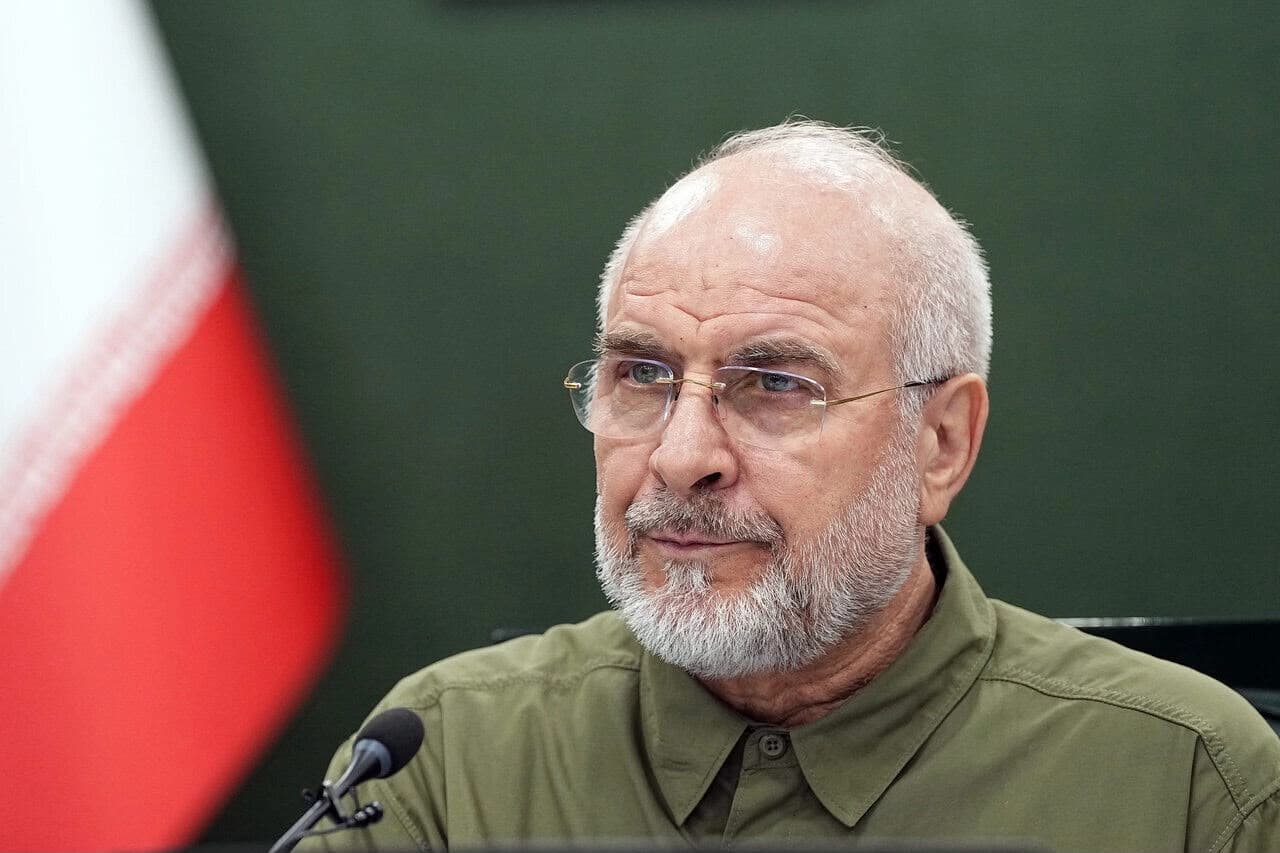

ERBIL, Kurdistan Region - Iran will continue pursuing military action alongside diplomacy to deter further American attacks and secure its demands, parliament speaker Mohammad Bagher Ghalibaf said Wednesday, as CNN reported that the US military had developed plans for potential new strikes on Iranian energy infrastructure and nuclear facilities.
Speaking in a televised address, Ghalibaf said Tehran did not intend to pursue endless fighting or negotiations without results, arguing that neither a diplomatic agreement nor military action alone could guarantee that Washington would not attack Iran again.
“When we say we both fight and negotiate, we do not mean an endless war or permanent negotiations. What we mean is that we fight to bring the enemy to a point where it has no choice but to submit to the legitimate demands of our people,” Ghalibaf said, according to Iran's Tasnim news agency.
His remarks come amid escalating tensions between Washington and Tehran over the Strait of Hormuz, where attacks on commercial shipping have intensified, while indirect negotiations aimed at ending the conflict remain stalled.
CNN reported Wednesday, citing multiple US officials familiar with the plans, that the American military had developed additional strike options targeting Iranian energy infrastructure and nuclear facilities.
The plans reportedly include the possible use of the GBU-43/B Massive Ordnance Air Blast bomb (MOAB), commonly known as the "mother of all bombs," the largest non-nuclear bomb in the US arsenal.
According to CNN, the options could be considered if President Donald Trump orders a resumption of combat operations before or after the US midterm elections in November.
The report said Trump had directed the military to develop additional strike packages, including potential attacks on Iranian energy infrastructure and underground nuclear facilities.
However, no decision to launch the strikes has been announced, and officials familiar with the planning reportedly questioned whether the use of the MOAB would achieve Washington's military objectives.
The possibility of renewed US attacks comes as hostilities intensify in the Strait of Hormuz, a strategic waterway through which a significant share of the world's oil and liquefied natural gas supplies passes.
Two commercial vessels sank this week following separate attacks, according to a Wednesday report by The Washington Post.
The Singapore-registered container ship GFS Pride caught fire after being struck by a projectile on Tuesday and subsequently sank. Singapore's Maritime and Port Authority said all 21 crew members were safely evacuated, with no injuries reported.
A separate bulk carrier sank Wednesday after sustaining damage in an Iranian attack last month, The Washington Post reported, citing the International Maritime Organization.
Singapore's port authority also reported that another container ship, GFS Giselle, sustained hull damage after being struck by an unidentified projectile on Wednesday. The vessel reached a safe anchorage under its own power, and all 22 crew members were unharmed.
The Washington Post reported that more than 14 vessels had been targeted by Iran in and around the strait over the preceding two weeks, amid US efforts to increase oil shipments through the waterway.
The United States has expanded maritime security operations, including aerial monitoring and protection for commercial shipping, as Washington seeks to increase the flow of oil and ease pressure on global energy prices.
Ghalibaf argued that Iran needed to strengthen its military capabilities to establish what he described as "lasting deterrence" against future attacks.