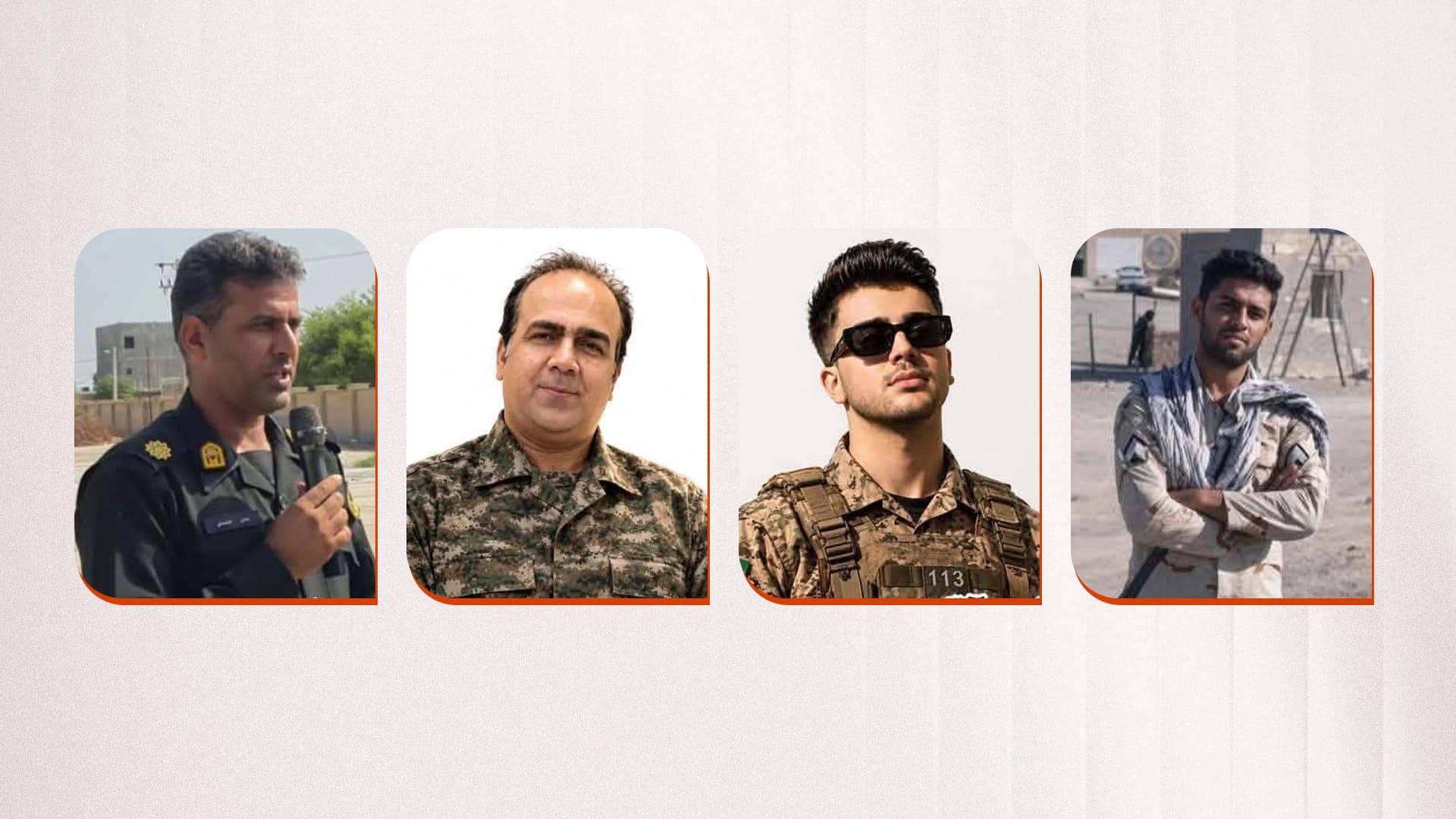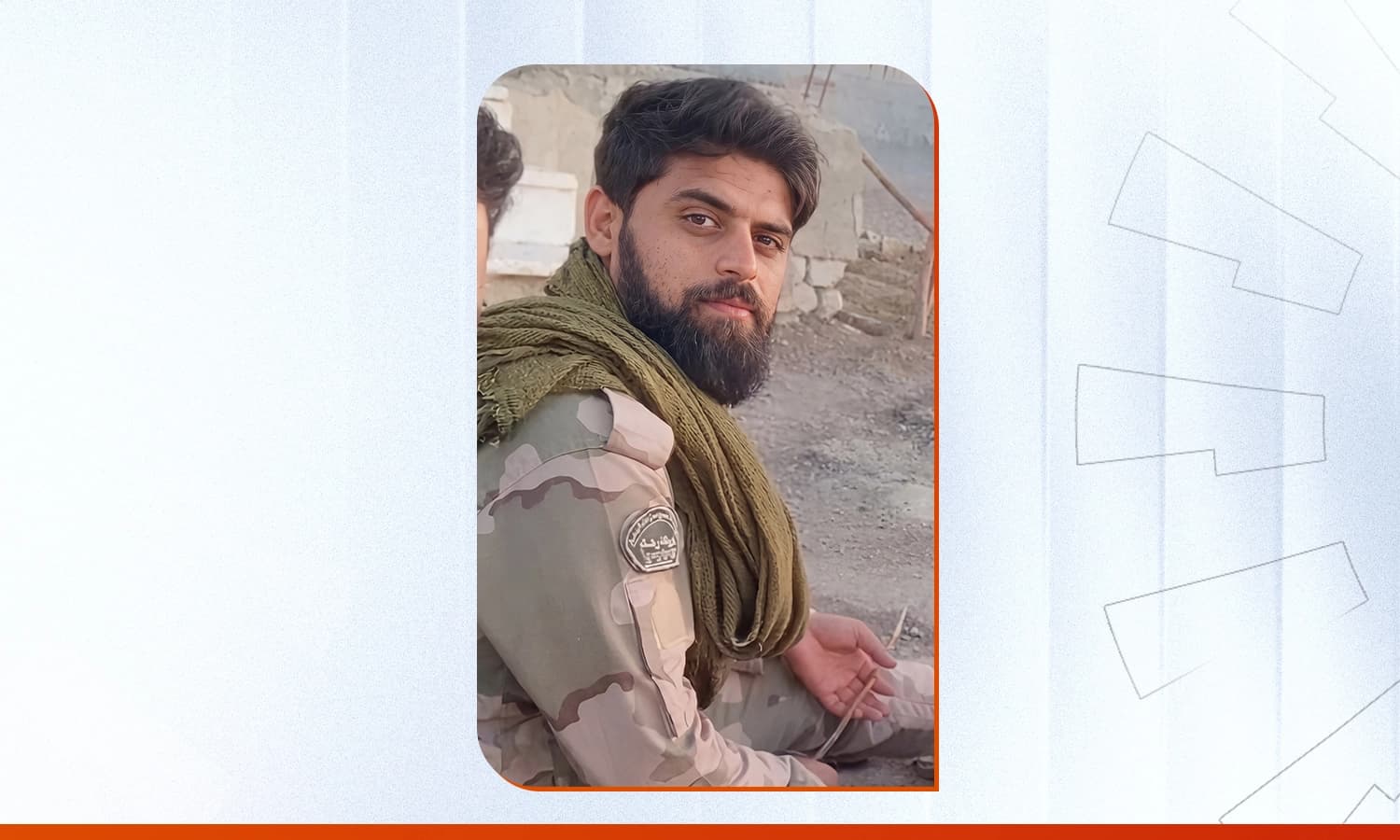

ERBIL, Kurdistan Region - Iran’s judicial authorities have issued global arrest warrants against leaders of several Kurdish opposition groups in Iran who maintain a presence abroad as well as in Iraq, Iranian media reported on Tuesday. Enforcement requests follow years of investigations and victim complaints regarding murder, assassination kidnapping, torture, and extortion attributed to opposition groups operating in Iran’s Kurdish-populated areas.
Judicial rulings, Interpol Red Notices (a request to law enforcement worldwide to locate and provisionally arrest a person), and extradition requests have been issued for several leaders and members of the Free Life Party of Kurdistan (PJAK), Kurdistan Democratic Party of Iran (KDPI), Komala, and Kurdistan Freedom Party (PAK), a lawyer by the name of Tanhaei, who represents more than 60 victims, told Iran’s semi-official Fars News Agency.
“The majority of the victims in these cases are ordinary people, particularly Kurdish compatriots and Sunnis living in Kurdish-populated regions” he stated, noting that the extradition requests were sent to the Iraqi government and several European countries following “more than two years of judicial investigations and numerous complaints from victims.”
Warrants come amid continued regional tensions involving Iran and Kurdish armed opposition groups based in the Kurdistan Region and operating covertly in Iran. Iran has long labeled the groups “terrorists” and “Kurdish separatists.”
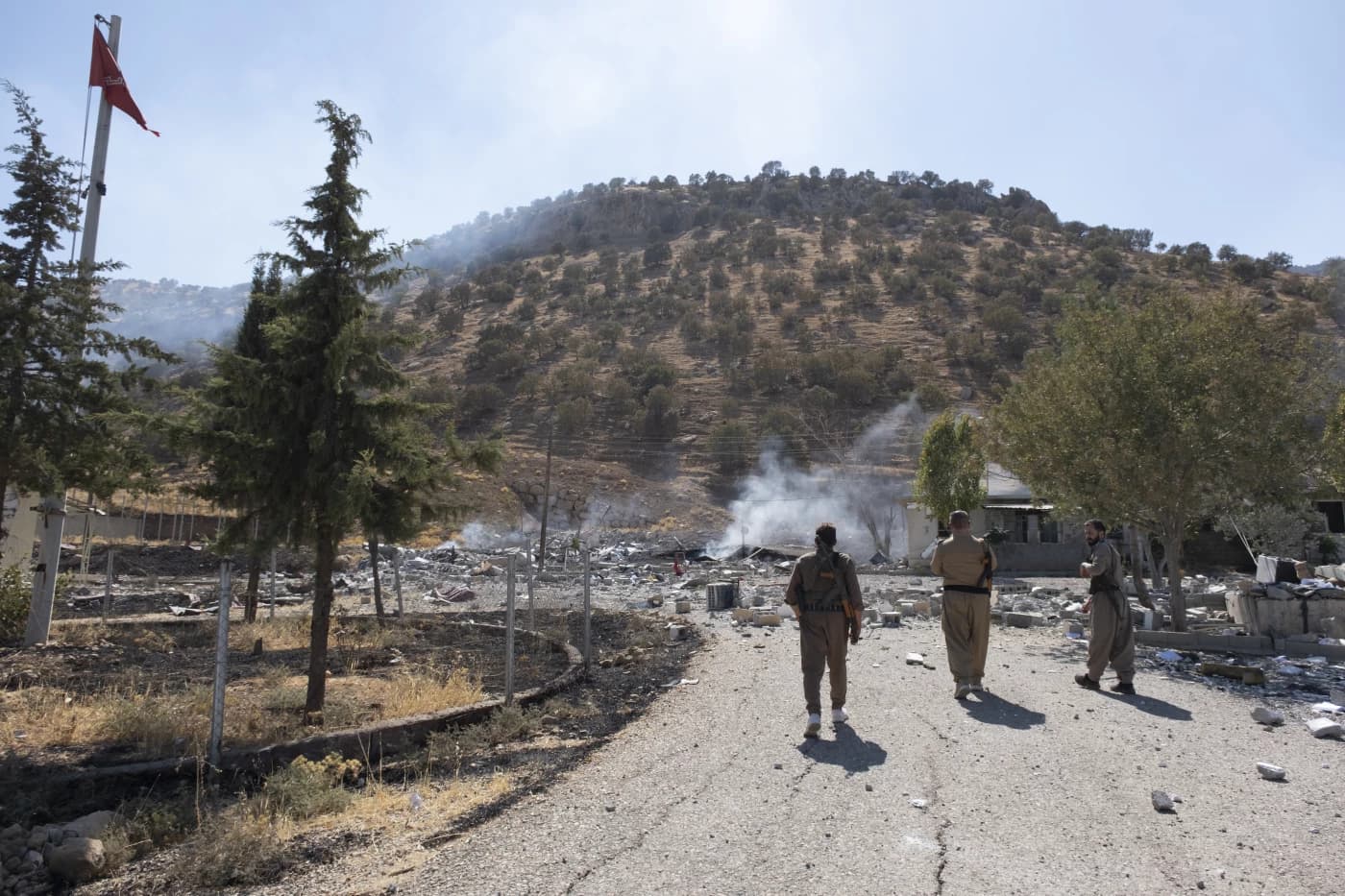
The United States and Israel launched a major aerial campaign against Iran in late February, prompting Tehran to respond with attacks on Iranian Kurdish armed groups based in the Kurdistan Region whom it feared would be emboldened by its war with the US to incite and stage an armed rebellion in the bordering Kurdish regions of Iran.
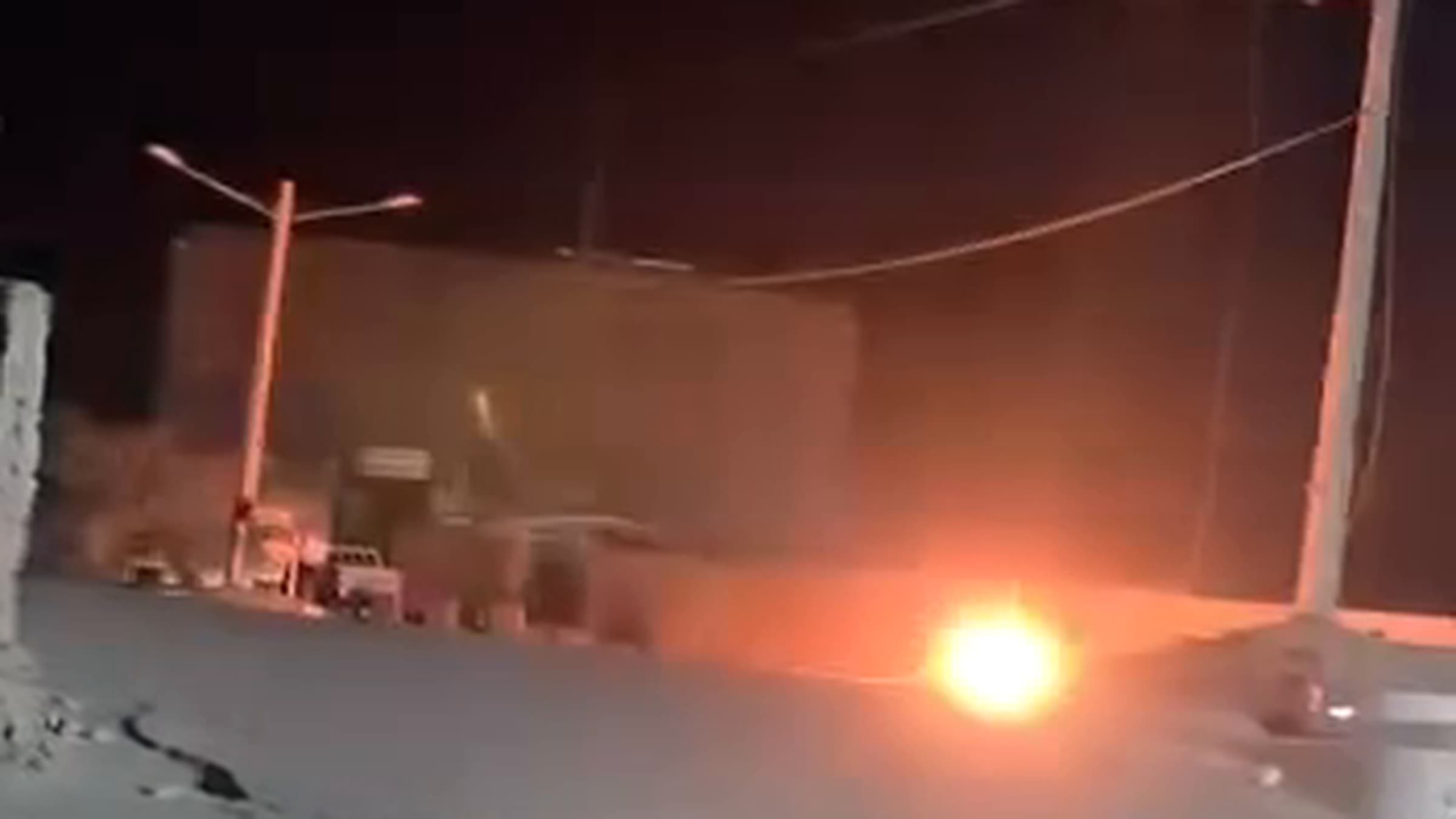
During and even after the escalation, Iran targeted positions of Kurdish opposition groups, which have continued intermittently.
In mid-June, the US and Iran signed a memorandum of understanding (MoU) aimed at extending a ceasefire framework initially agreed upon in April. While the agreement helped reduce the risk of wider confrontation, the Iran regime’s operations targeting Kurdish opposition groups in the Kurdistan Region have continued.
Tanhaei told the agency that there are more than 60 plaintiffs, arguing that the scale of alleged crimes and the number of victims from actions attributed to Kurdish opposition groups is far greater than what has been reported in the media so far.
He also issued a call for action on host governments, stating: “Now, the governments hosting these individuals must fulfill their international obligations in the fight against terrorism and provide the necessary grounds for the extradition and trial of the accused.”