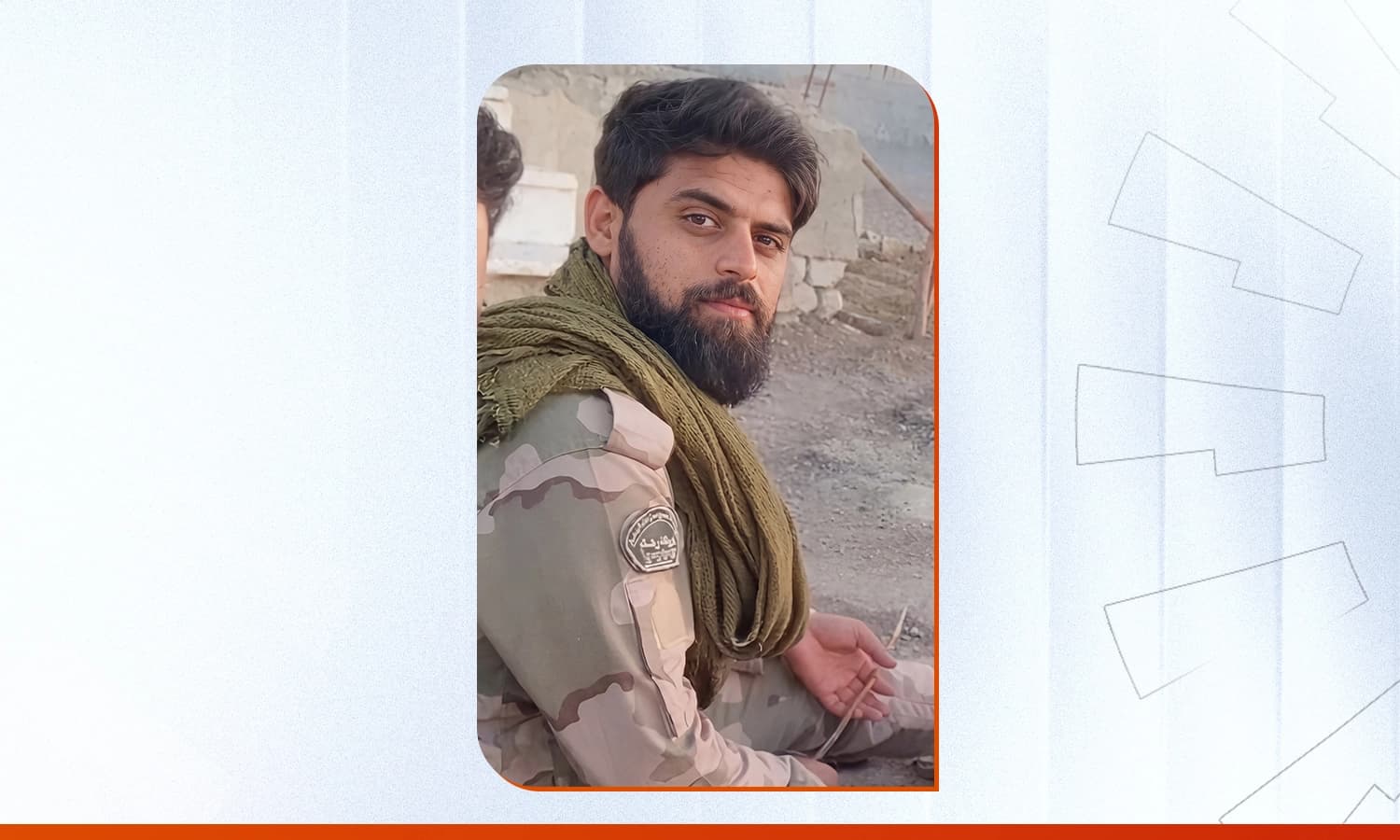

ERBIL, Kurdistan Region - A 25-year-old Kurdish border porter, known in Kurdish as a kolbar, was killed by Iranian border forces while working at a border point in Baneh, in Iran’s Kurdistan province, Hengaw Organization for Human Rights reported Monday.
Mohammad Tawhidpana, a resident of Wazmala village in Saqqez, was killed in the early hours of Monday after Iranian border guards opened fire on a group of kolbars without prior warning, according to the Oslo-based rights watchdog.
“According to informed sources, the border guard forces opened fire on this kolbar without any advance warning,” Hengaw said in its report.
The organization said Tawhidpana died at the scene following the shooting.
Kolbars are Kurdish border porters who carry goods across the mountainous frontier between Iran and the Kurdistan Region and Turkey. Many turn to the work because of unemployment, rising living costs and limited economic opportunities in Iran’s Kurdish-majority areas.
From the Kurdistan Region, kolbars commonly transport goods such as food, clothing and cosmetics into Iran.
The work is physically demanding and dangerous, with porters traveling long distances through rugged and heavily militarized terrain for relatively low wages.
Hengaw and other rights organizations have repeatedly reported Iranian forces opening fire on kolbars, often alleging that the shootings occur without warning.
Last month, Hengaw reported that 21-year-old Rasul Qalandari, a father of two, was killed by Iranian border guards near the village of Qatur in Khoy, West Azerbaijan province. The organization said Qalandari was initially injured when border forces fired on a group of kolbars and was subsequently killed by three shots to the head while lying on the ground.
According to Hengaw, more than a dozen kolbars have been targeted by direct gunfire from Iranian forces since the beginning of 2026, leaving at least seven dead and several others injured.
The rights group attributed the lower number of reported cases compared with previous years partly to reduced border activity during closures linked to the US-Iran war and subsequent regional escalations.