ERBIL, Kurdistan Region - Iranian Foreign Minister Abbas Araghchi warned Wednesday that continued Israeli attacks on the Lebanese capital Beirut could reignite the regional war, while confirming that talks with the US are still ongoing.
“We have explicitly declared to all concerned parties that an attack on Beirut is a blatant aggression, and we will not remain silent in the face of it,” Araghchi told Iran’s Islamic Revolutionary Guard Corps (IRGC)-affiliated Tasnim news agency.
“In the event of continued Israeli aggression against Beirut, our armed forces are fully prepared to resume the war and strike targets inside Israel,” he added.
The warning comes as Iran is still reviewing the final draft of a proposed memorandum of understanding (MoU) with the US aimed at ending months of conflict. It has yet to deliver an official response, according to a source cited by Iran's semi-official Mehr News Agency on Tuesday.
The Iranian chief diplomat further added on Wednesday that “communication with the Americans has not been severed,” and messages have been exchanged regarding “the necessity of halting the aggression against Beirut,” however, “no tangible progress” has been achieved in the negotiation process.
Araghchi further linked Tehran’s return to the negotiating table to “securing the rights of the Iranian nation, ending the war in Lebanon, and halting tensions in the region.”
US President Donald Trump said in a Monday statement on Truth Social that talks with Iran are still ongoing, calling reports to the contrary “false and erroneous.”
He added that he has told the Iranians that “it is time, one way or another, for you to make a deal. You’ve been doing this for 47 years, and it cannot be allowed to go on any longer!”
The US and Israel in late February launched a large-scale aerial campaign against Iran, striking thousands of targets across the country during six weeks of hostilities.
In response, Iran carried out thousands of drone and missile strikes across the Middle East, targeting alleged US assets in the region, as well as launching retaliatory attacks against Israel.
The Iranian response also involved armed groups aligned with Tehran's so-called ‘Axis of Resistance,’ with several factions claiming responsibility for attacks on alleged US targets across the region, including in Iraq and the Kurdistan Region.
Iran and the US agreed to a Pakistan-mediated ceasefire on April 8, halting hostilities to create space for diplomatic negotiations. While the first round of talks concluded without a final agreement on April 11, a second round has yet to take place.
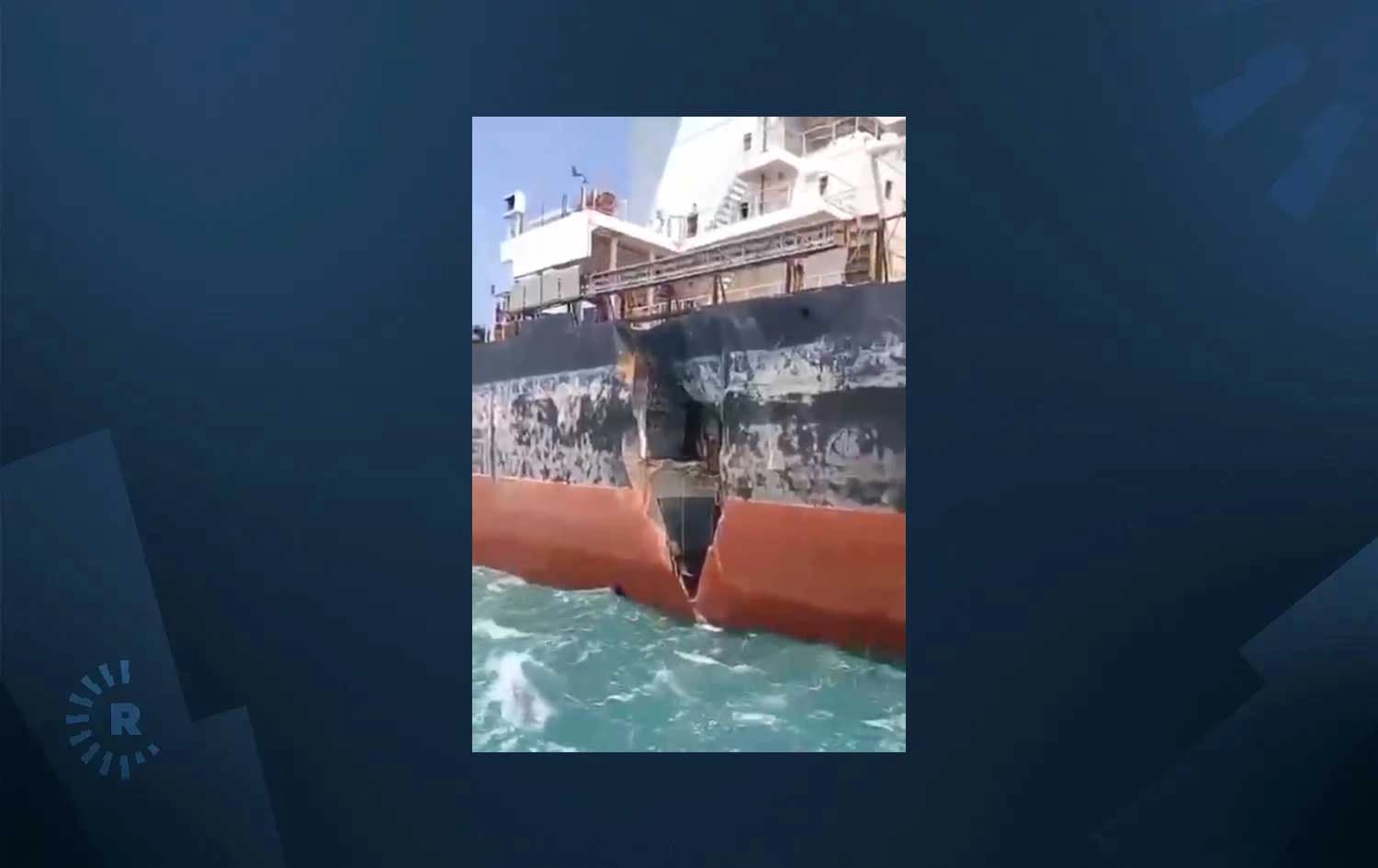
Alongside the diplomatic efforts, Tehran and Washington engaged in reciprocal maritime measures. Iran tightened its control over shipping through the Strait of Hormuz, while the US imposed a naval blockade on Iranian ports beginning April 13.