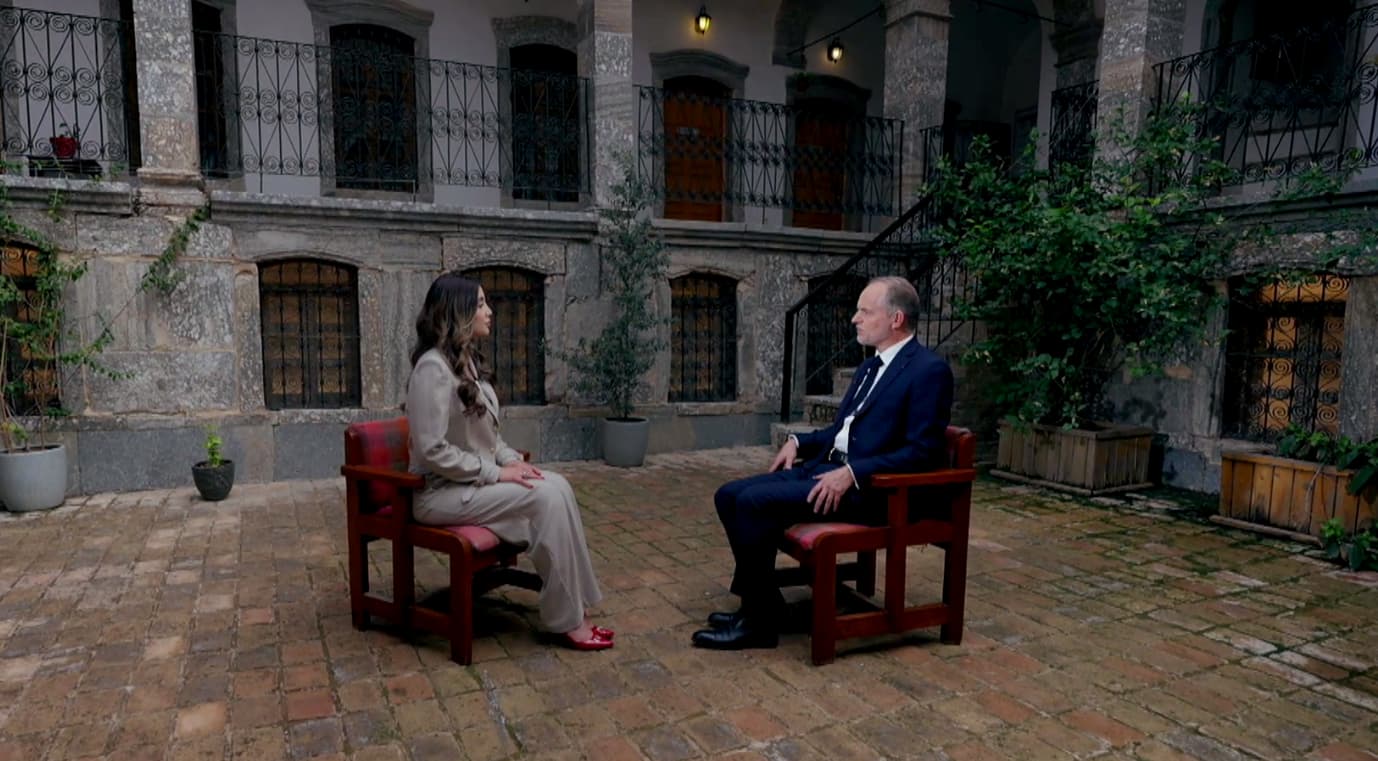
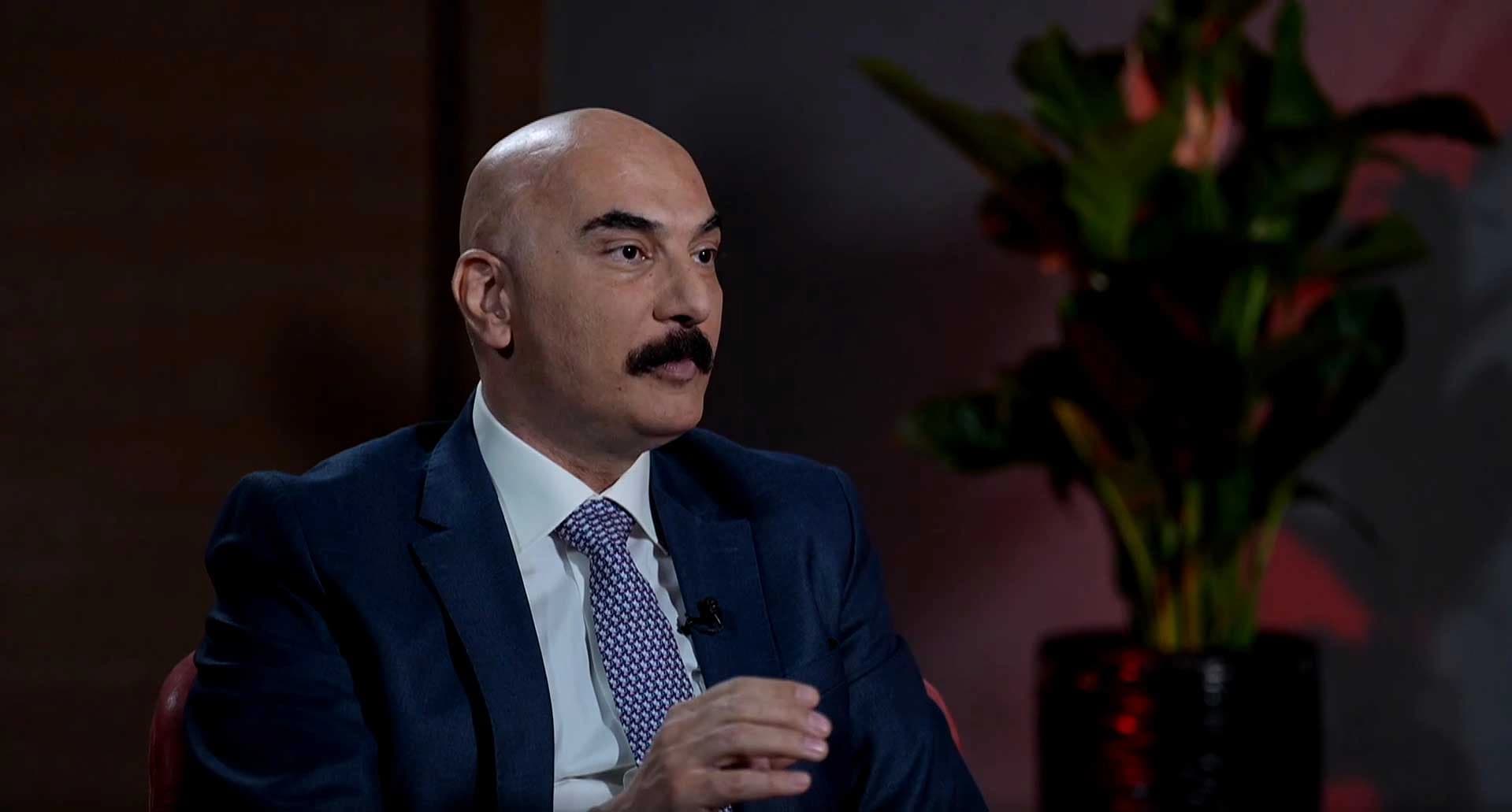
ERBIL, Kurdistan Region - Romania is preparing an agreement with Iraq that would provide scholarships to Iraqi students, including those from the Kurdistan Region, Romanian Ambassador to Iraq Radu Octavian Dobre told Rudaw, as Bucharest seeks to expand educational cooperation.
In an interview with Rudaw on October 12, Dobre said the agreement is ready for signing, but its completion depends on the appointment of a new Iraqi higher education minister.
"We had a Memorandum of Understanding ready to sign that is providing also scholarships for the Iraqi citizens in general," Dobre said.
Days later, the Iraqi parliament appointed Haidar Bahaa as higher education minister in a move aimed at completing Prime Minister Ali al-Zaidi’s cabinet.
The agreement would include students from the Kurdistan Region, he added.
Dobre said Romania already attracts a significant number of students from Iraq, including the Kurdistan Region.
"I think every year we have at least 1,000 students coming from Iraq, and an important part of that is coming from Kurdistan, students in Romania," he said.
The ambassador highlighted Romania's relatively affordable university tuition fees, particularly in medicine, pharmacy, and engineering, as an advantage for prospective students.
He added that scholarships are also available through Romanian government institutions, including the foreign and trade ministries.
"We have some scholarships. Some of them given by the Ministry of Foreign Affairs and some of them given by our Ministry of Trade," Dobre said.
He encouraged interested students to follow the Romanian embassy's official website for scholarship announcements, application deadlines, and registration procedures.
The ambassador also said Romania's accession to the Schengen Area had not made its visa application process more difficult.
"No, no, it remained the same because also in the past Romania was applying the rules of the European Union in visa application," he said.
Dobre stressed that Romania aims to facilitate legitimate educational exchanges while maintaining the immigration rules required under European law.