ERBIL, Kurdistan Region - Armed groups operating outside Iraqi state control are obstructing economic reforms, discouraging international investment, and prolonging instability in Iraq and the Kurdistan Region, a Middle East political expert has warned, calling for a negotiated agreement to bring their weapons under state authority.
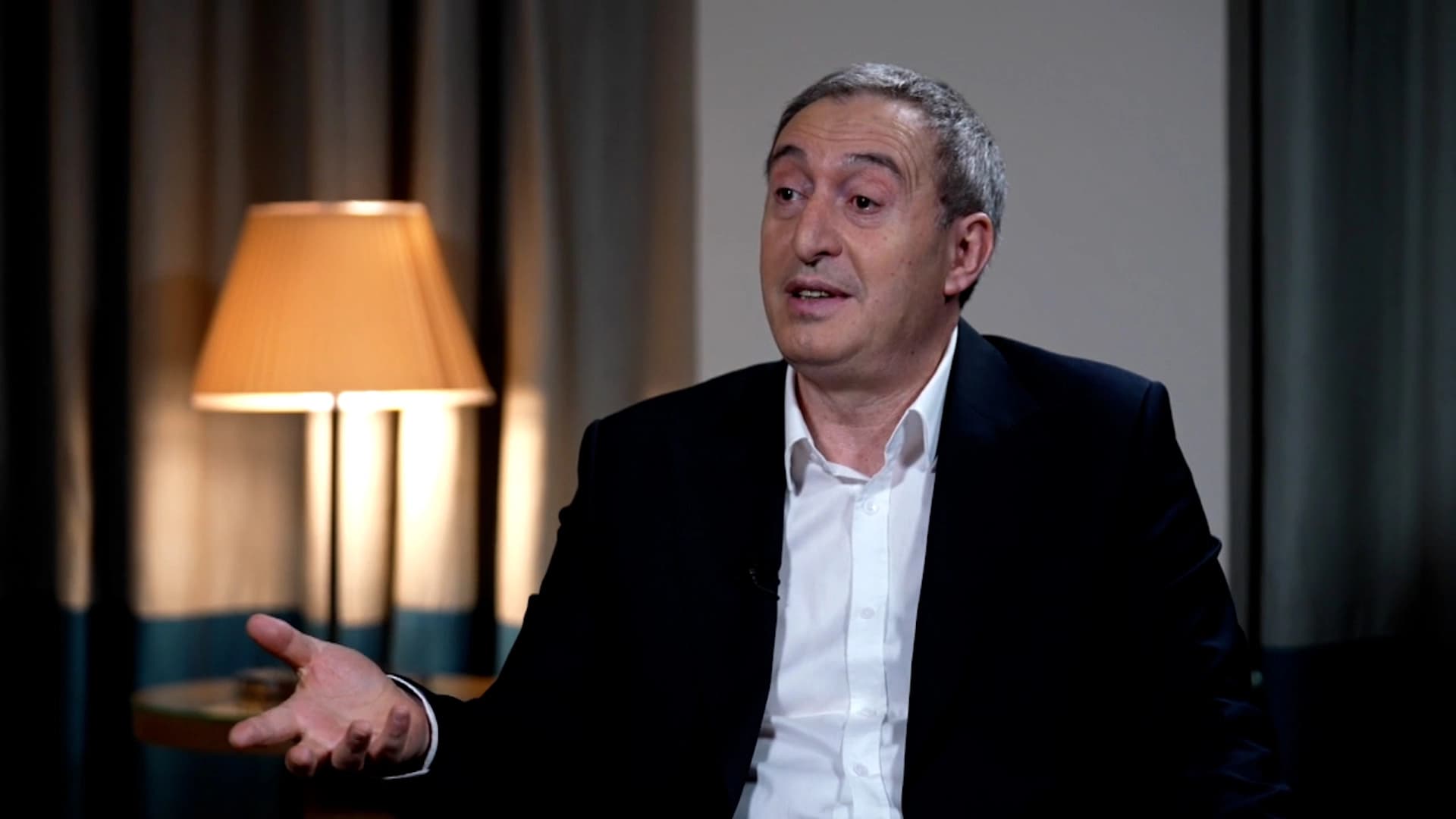
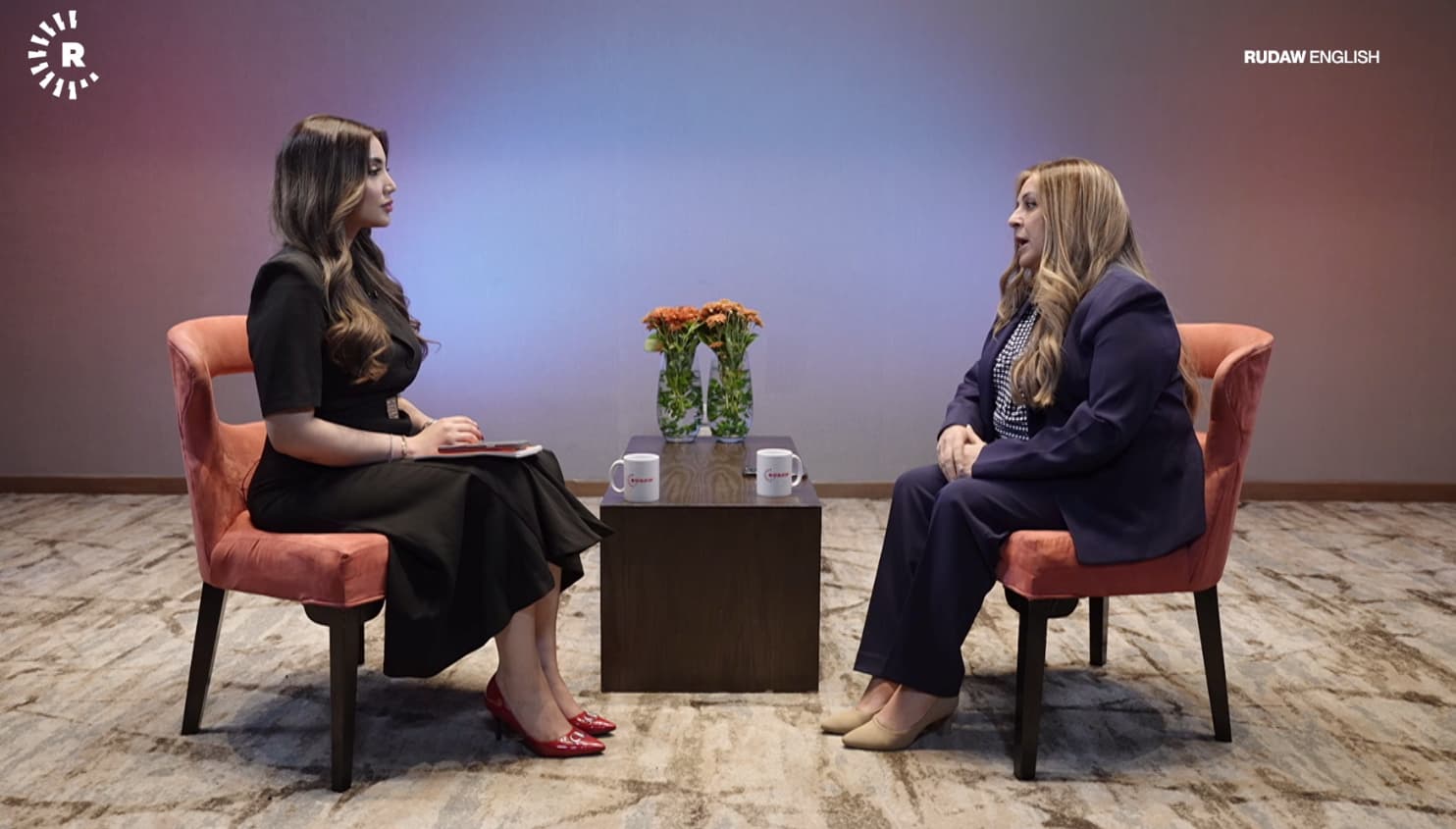
Norman Ricklefs, CEO of Namiya Group and a former adviser to Iraq's defense and interior ministries, told Rudaw earlier this week that although several major armed groups have entered discussions with Baghdad over bringing their weapons under state control, others continue to resist the process.
"Major armed groups have already committed to putting their weapons under the control of the state. There are two in particular that we know of, that everyone knows of, that have refused so far," Ricklefs said.
He did not identify the two groups but maintained that discussions between the Iraqi government and other major factions were moving in a positive direction.
"It's going to take a long time to finally resolve this issue. It's not going to happen overnight," he added.
Armed groups delaying economic reforms
Ricklefs argued that the continued presence of armed factions outside government control is undermining Baghdad's ability to implement economic reforms at a time when Iraq faces mounting financial pressures and regional instability.
"This government came in with an agenda to push privatisation, economic liberalisation, economic development, and everything is delayed until the issues with the armed groups are somehow solved," he said.
According to Ricklefs, insecurity is also influencing the calculations of international companies considering investments in Iraq.
Recalling a recent conversation with a senior representative of a major American company, Ricklefs said the executive immediately raised reports of militia missile attacks against Saudi Arabia.
"While that continues, of course, there will be a deterrent to international investment," he said.
Nevertheless, Ricklefs pointed to the presence of major international companies, including KBR, Halliburton, PetroChina, and BP, as evidence of Iraq's considerable economic potential.
He described Iraq as a wealthy country whose development remains constrained by poor infrastructure, excessive dependence on oil revenues, and a limited private sector.
Disarmament requires an agreement acceptable to Iran and US
Addressing possible solutions to the armed groups issue, Ricklefs said the Iraqi government should prioritize integrating factions operating outside state authority into the Popular Mobilization Forces (PMF) structure.
"The first step needs to be integrating those groups which are outside government control into the PMF structure. I think that's necessary," he said.
However, he stressed that such an agreement would require regional and international acceptance.
"It needs to be a deal which is acceptable to both Iran and America," Ricklefs said, describing the task facing Iraq's prime minister and cabinet as particularly difficult.
While expressing cautious optimism about the process, he warned that progress remains slower than necessary.
"I think the general trend is in the right direction. It's just not happening quickly enough," he said.
Kurdistan should maintain neutrality after coalition withdrawal
Asked whether the withdrawal of the US-led coalition from Iraq and the Kurdistan Region would expose the Kurdish region to greater security threats, Ricklefs said the region's vulnerabilities were not new.
"The entire region is going through a very vulnerable phase because of the war. But the threats to Kurdistan are not new," he said.
Rather than predicting a dramatic deterioration in security, Ricklefs suggested that the changing situation could encourage closer coordination between Erbil, Sulaimani, and Baghdad against shared threats.
He also urged the Kurdistan Region to maintain its longstanding policy of balancing relations with regional and international powers.
"The Kurdistan region should be doing what it has been doing, which is attempting to be friends with everyone, to be neutral and avoid being dragged into conflict," he said.
Ricklefs praised the positions expressed by Kurdistan Region President Nechirvan Barzani and Patriotic Union of Kurdistan (PUK) leader Bafel Talabani at the MERI Forum, emphasizing the importance of Kurdish political unity in responding to regional threats.
He also called for the formation of a unified Kurdistan Regional Government following the region's parliamentary elections.
Despite internal political disagreements, Ricklefs said the Kurdistan Region continues to project a relatively unified image internationally.
"From the outside, the perception of Iraqi Kurdistan is much more unified than I think is the actual reality," he said.
New oil and gas law could end recurring Erbil-Baghdad disputes
Turning to longstanding disputes between Erbil and Baghdad over oil exports, budget allocations, and public sector salaries, Ricklefs criticized the repeated failure of successive Iraqi governments to establish lasting agreements.
He said each new government has announced what it described as a final settlement, only for disagreements to reemerge months later.
Ricklefs argued that a comprehensive federal oil and gas law could provide a more sustainable solution.
"If there was one thing that should be done, it would be to sign a new oil and gas law," he said.
He suggested that changes in Iraq's federal oil sector could create an opportunity to establish a common legal framework governing oil operations in both the Kurdistan Region and the rest of Iraq.
Such an agreement, he argued, could strengthen the Kurdistan Region's fiscal stability and reduce recurring disputes over revenue and salaries.
However, he cautioned that unresolved security challenges continue to push economic and legislative reforms down the government's list of priorities.
Iraq must become mediator rather than regional battleground
Ricklefs also warned that Iraq's geographical position and its relations with both Iran and the United States leave it particularly exposed to regional confrontation.
He described Iraq as situated along a geopolitical fault line, with neighboring powers often viewing the country as an arena for competing interests.
Nevertheless, he argued that Baghdad could transform its position into a diplomatic advantage by acting as a mediator between Tehran and Washington.
"I think Iraq is a natural mediator between the two, between East and West," he said.
"It can shift from being a battleground to becoming a very good mediator."
Ricklefs said Iraq's political system, established after 2003, also presents structural obstacles to effective governance.
He explained that the distribution of ministries among political parties encourages compromise and reduces the likelihood of internal conflict, but simultaneously weakens executive decision-making.
"It reduces conflict, right? So it forces compromise, which is good, but it creates decision-making paralysis because everyone has a little slice of the government," he said.
Despite the challenges, Ricklefs maintained that Iraq has the resources and economic potential to achieve greater stability and attract international investment, provided the government makes progress toward consolidating state authority over armed factions.