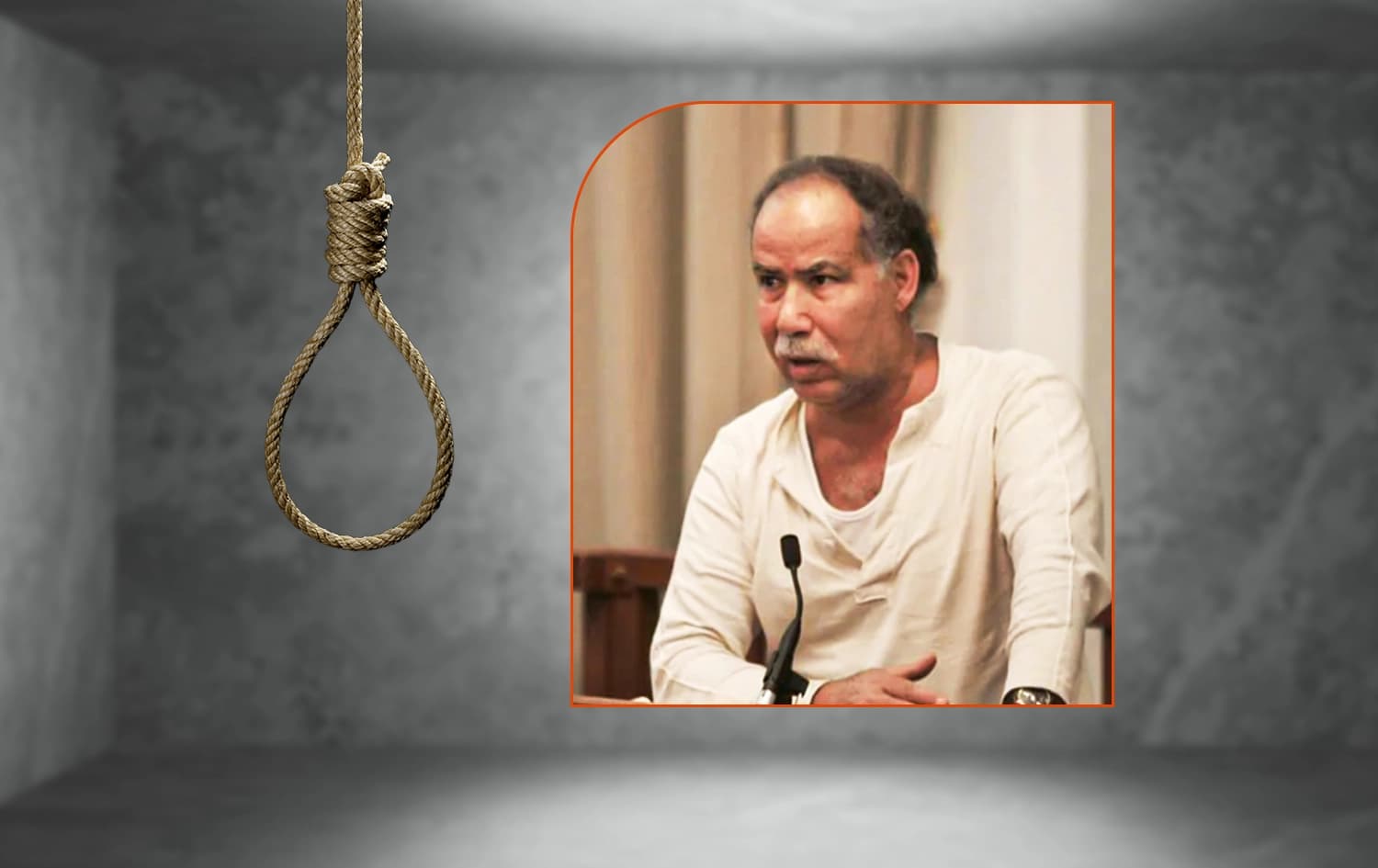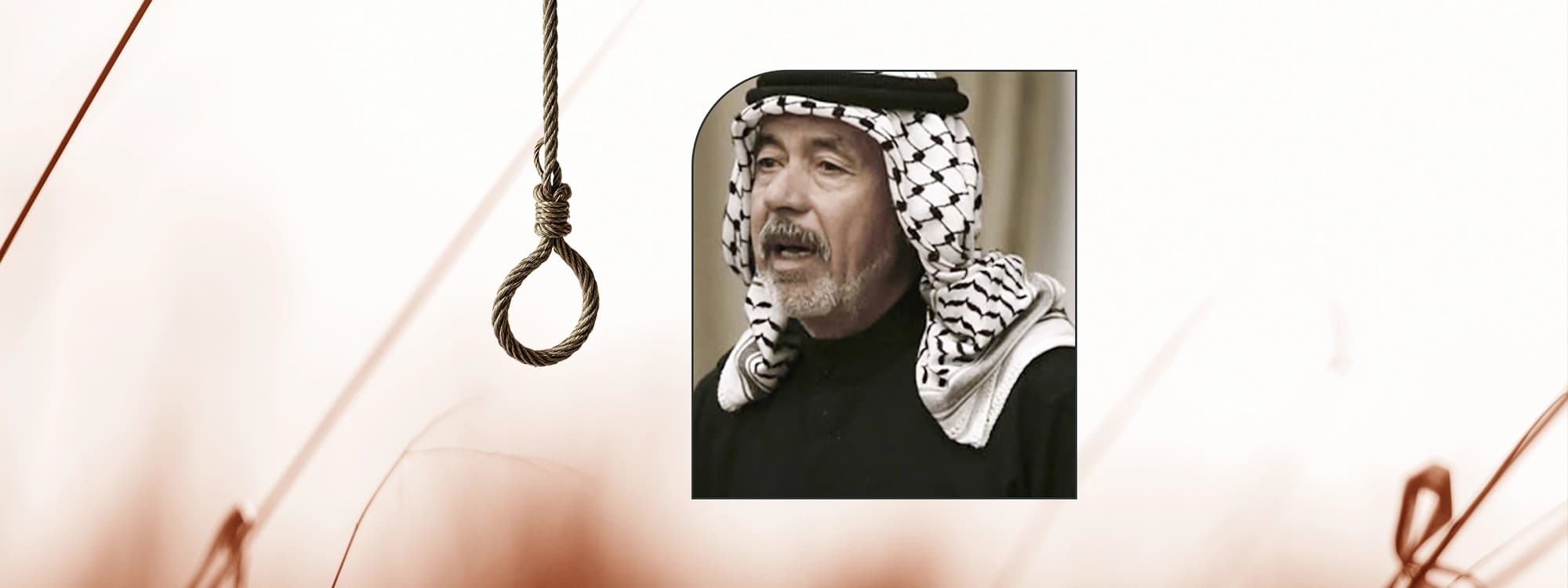

ERBIL, Kurdistan Region - The former head of Baghdad’s correctional facilities recounted to Rudaw the final moments of high-ranking Ba’athist leaders before their executions - including Ali Hassan al-Majid, who held key security posts under the former regime and commanded the genocidal Anfal campaign against the Kurds in the late 1980s as well as the brutal suppression of the 1991 Shiite uprising.
Majid was “trembling, frightened, and terrified” in prison, Nadhim al-Maliki said in Rudaw’s Fingerprint program by Kawa Amin aired on Wednesday. He was the ousted Iraqi dictator Saddam Hussein’s cousin.
The senior Ba’athi official was executed in January 2010 after facing several death sentences from the atrocities he committed during the Anfal campaign - in which around 180,000 Kurds were killed - and massacring thousands of Shiite protesters and bystanders in their uprising in 1991 after the expulsion of Iraqi army in Kuwait, among others.
He also ordered chemical weapons attacks, including the use of mustard gas and the nerve agent sarin, on the Kurdish town of Halabja in 1988, killing around 5,000 civilians.
"If time went back, I would strike you a hundred times,” Maliki cited Majid as saying when he visited the prisoner’s cell to accompany him to the gallows.
However, Maliki noted, Majid was panicked and broken and he spoke the words out of desperation. He was refusing to wear an orange jumpsuit designated for the execution process, so “we took him by force with the guards and dressed him.”
“When asked to recite the Shahada [before being hanged], he stammered, failed to utter it, lost his focus, and could not even walk a distance of ten meters out of sheer terror,” Maliki said, adding that Majid asked to be allowed to sit down, but the judge overseeing the execution rejected his request.
The Shahada is the Islamic declaration of faith, recited by those converting to Islam and often by Muslims approaching death.
No Iraqi leader was present at Saddam Hussein’s execution
Responding to the rumors that Muqtada al-Sadr, an influential Shiite cleric and leader, attended Hussein’s execution in December 2006 or put the rope around his neck, Maliki said it “is entirely not true.”
Hussein’s execution was the “first” carried out by Maliki’s department after 2003. Footage of the process circulated at the time, showing a number of masked men chanting “Muqtada” before the execution.
Sadr had five of his immediate family members assassinated by the Ba’ath party (1968-2003), including his father, two brothers, and one sister.
“Because there was no strict control system at the time, [20] guards [of prisons’s general director] entered, filmed with their phones, and chanted in the name of al-Sadr, but Muqtada al-Sadr was never present at all.”
Allegations of US torturing detainees
The former Iraqi prison official further stated that “most of the inmates” transferred to them from US-run prisons such as the notorious Abu Ghraib Prison west of Baghdad “complained about being subjected to torture by the Americans.”
The systemic torture and abuse of Iraqi detainees by US personnel is fully documented through official military investigations, photographic evidence, and international watchdog reports. The most widely publicized evidence emerged from Abu Ghraib Prison, where photos leaked in 2004 showed prisoners subjected to physical abuse, forced nudity, stress positions, and sexual humiliation.
Inmates included arrested Ba’athi military servicemen as well as suspected militants from al-Qaeda, with which the US was at war at the time both in Iraq and Afghanistan.
Maliki said the inmates were “subjected to severe torture in Abu Ghraib Prison before handing them over to us, such as unleashing dogs, beating with sticks, and hot and cold water.”
Reflecting on the daily life of the senior Ba’athi leaders in the prison, Maliki said they were mostly lying on their beds and watching the television while having two hours to walk outside and wash their clothes.
“There was a dedicated, wire-fenced courtyard for sunbathing where they went out for two hours under heavy guard, and then they spent the rest of the time inside the hall.”
He further claimed that no political leaders asked the prison management to mistreat the Ba’athi inmates as a “revenge.”