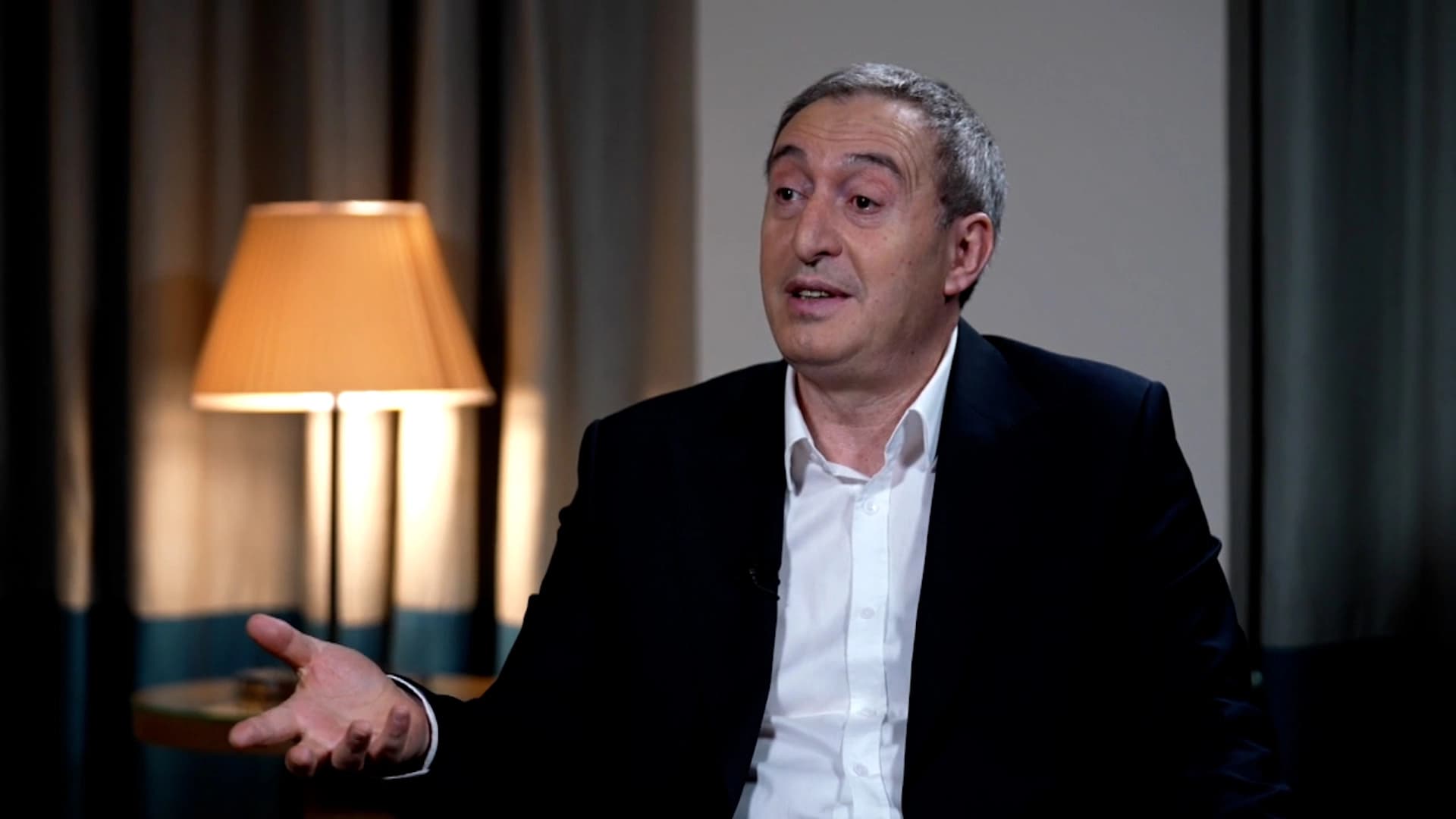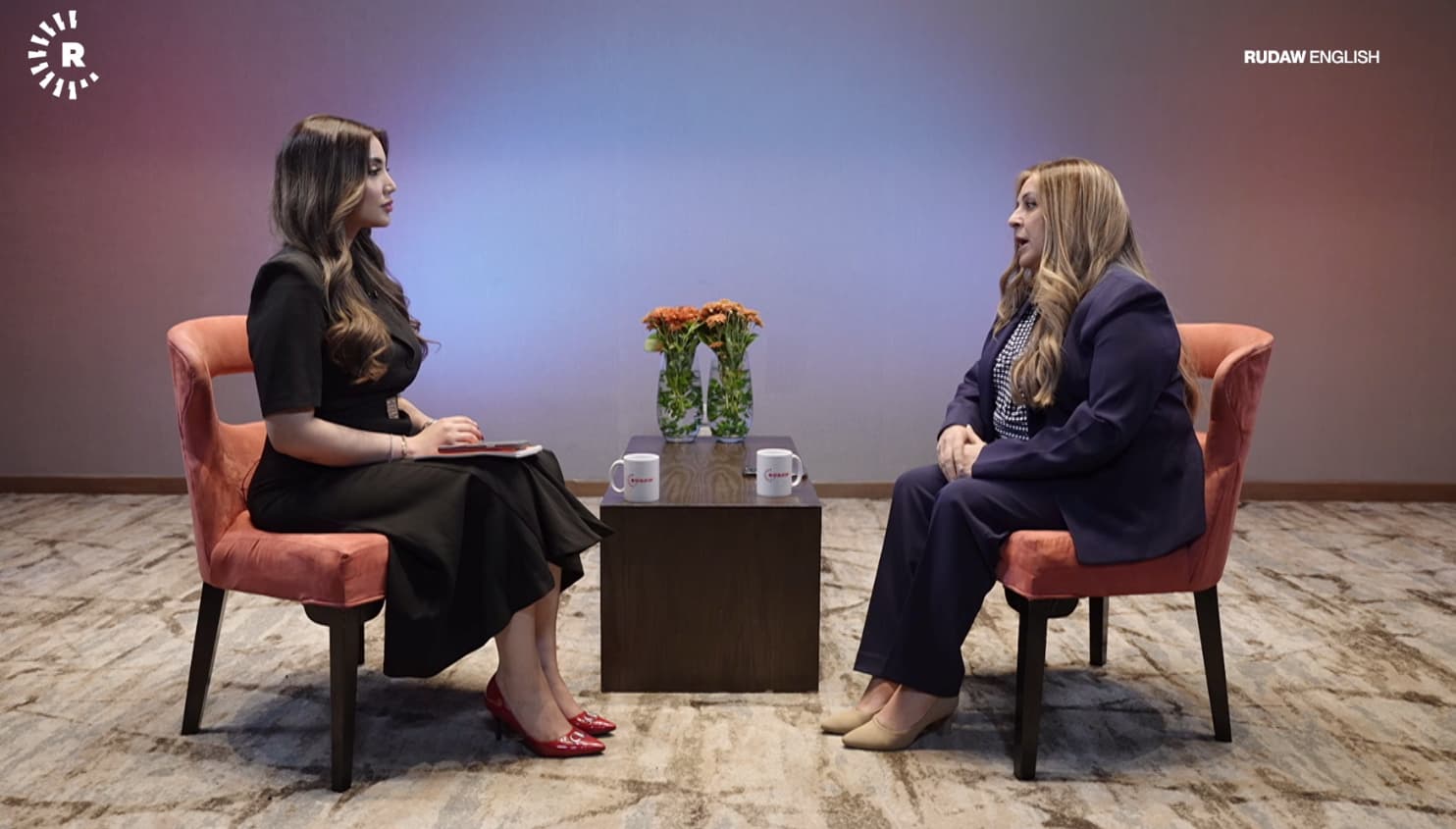
ERBIL, Kurdistan Region - Italy is prepared to resume military training, capacity-building, and intelligence cooperation with the Kurdistan Region if requested, despite the withdrawal of its forces from Iraq, Italian Ambassador to Iraq Niccolo Fontana told Rudaw.
“After the withdrawal, we don't have any more assets in the whole of Iraq,” Fontana said during an interview aired on Friday. “We are ready and we are committed to come back upon the request of the local governments and to keep going with our advanced training, capacity building and intelligence exchange.”
The ambassador expressed confidence in the ability of Iraqi and Kurdish security forces to maintain security following the September 30 withdrawal of US-led coalition forces.
“These Iraqi forces and the Peshmerga forces in the Kurdistan Region are more than capable to deal with these security responsibilities,” he said.
Fontana also stated that Italy hopes NATO's mission in Iraq, currently operating from a base near Naples, can resume its activities in 2027.
“We believe that that mission should continue, and I hope that it can resume in 2027,” he stated.
Addressing armed groups operating outside Iraqi state control, Fontana stressed that “having a total control of weapons is a must,” expressing optimism that the disarmament process could be completed by June 30, 2027.
The ambassador reaffirmed Italy's commitment to strengthening relations with the Kurdistan Region, particularly through economic investment and partnerships between Italian companies and Kurdish businesses.
The following is the full text of the full text of the interview with Italian Ambassador to Iraq Niccolo Fontana:
Rudaw: How does Italy assess Iraq's future security situation after the coalition's withdrawal?
Niccolo Fontana: You know, September 30th marked a historic milestone. We all witnessed the transfer of security responsibility to the Iraqi forces, and according to our knowledge, these Iraqi forces and the Peshmerga forces in the Kurdistan Region are more than capable to deal with these security responsibilities. And I can tell you that since all our soldiers that for years cooperated with local forces assessed their capabilities.
I've asked every diplomat this question. Your commitment to the Kurdistan Region in terms of security after the coalition forces withdrawal. What kind of assistance, support and commitment would you still offer after the withdrawal?
You know, after the withdrawal, we don't have any more assets in the whole of Iraq. But of course, Italy has played an important role more than the last 20 years in this country and also and especially in the Kurdistan Region. So we are ready and we are committed to come back upon the request of the local governments and to keep going with our advanced training, capacity building and intelligence exchange.
What about the contribution through NATO that you have for the Peshmerga training? Will that continue?
In the meantime, NATO mission Iraq is still active, not in Baghdad, but actually in Italy, in a base near Naples. And there is an assessment of the situation still going on, but we believe that that mission should continue, and I hope that it can resume in 2027.
How do you view the current challenge of the Iraqi government of disarming the armed groups outside the state control?
You know, having a total control of weapons is a must. And I think that the new Iraqi government has embarked on this challenge. And it's going to be a very long process. But I'm optimistic about the outcome. And we all hope that by June 30, 2027, all the process will be settled.
What is the position of your country regarding the unresolved disputes between the governments of the Kurdistan Region and Iraq?
As I said before, Italy has always tried to play a good role in Iraq, supporting Iraq in terms of stabilization, security and economic growth. So we do believe that if there is a better understanding between Baghdad and Erbil, that would contribute to a succeeding Iraq in the international market. So we are trying to pass messages in order to help solve all the outstanding issues there is still between these two capitals.
Italy is one of the illegal migration routes for the people in this region. They try to cross Europe and they sometimes face, on the way to Europe, they face horrible stuff and they get hurt. What are the new policies by the government issued to control migration? And what is your message for people who want to cross these types of routes?
Yeah, don't do it and don't fall prey to criminal gangs that exploit poor people in order to benefit out of them. The Italian government together with the European Union has a strong stance against illegal migration, whereas we are trying to foster regular migration when needed with certain quotas.
Yes, the policies are there, but sometimes the humanitarian situation shouldn't be like that for the migrants. They're getting hurt and they're facing horrible stories on the way. What is Italy's stance on this? What should the European Union do to prevent this, not just the arrival of the migration to the borders, but also reducing the humanitarian crisis?
Yeah, I see your point. And we have to fight, as I said, these criminal gangs that exploit these people. And then we have to help solve the roots of the problem through humanitarian aid and through supporting social economic developments in the countries where these migration flows start.
In some places that have seen war, the people may think about migrating to Europe, but some people, they're not willing to put themselves through this danger. They're thinking about the legal routes. Are there any legal routes to travel to Italy and maybe work there or study there for the young people in the Kurdistan Region and Iraq?
Of course, you know, we have a consulate general in Erbil, and we have a consular office in Baghdad, and we are always releasing visas also for students. And we have quite a good number of college scholarships in order to foster this exchange of students. And I believe that is a very good opportunity even for local students to get to know the Italian culture.
Are the scholarships by the Italian government for Kurdish students and Iraqi students active right now?
Yes, yes, of course.
For only university education or even higher education?
No, we're talking about higher education, so I'm referring to universities.
Okay. What are your future priorities about strengthening the relationships with the Kurdistan Region?
You know, I'm always underscoring that we have excellent political cooperation. But what I would like to focus more on in the coming months is the economic cooperation. I believe here in this region, there are lots of opportunities for Italian companies to invest and also to form joint ventures with reliable local partners. And so that is what we're aiming at.
And how do you promote that and also has there been any concrete agreement regarding new projects?
Yes, there are some very large Kurdish groups that are now dealing with some major Italian companies and I hope that in the near future there will be some more concrete agreements to be developed.