ERBIL, Kurdistan Region - More than 1,200 detainees linked to the Syrian Democratic Forces (SDF) have been released by the Damascus government, exceeding initial estimates, the deputy governor of northeast Syria’s (Rojava) Hasaka province told Rudaw.
Ahmed al-Hilali further added that more than 9,000 members of the Kurdish Internal Security Forces (Asayish), including around 1,000 women, are scheduled for interviews as part of their integration into state forces.
“According to estimates provided by relevant SDF authorities, there were 1,070 detainees in Syrian custody. However, after inspections of several prisons and detention centers, more than 1,200 SDF-affiliated detainees were released,” Hilali told Rudaw’s Nalin Hassan on Tuesday.
He further noted the Syrian government’s commitment to “releasing those whose sole reason for detention was their membership in the SDF,” while adding that the cases of individuals who have “pending charges against them” have not yet been settled.
The release of SDF detainees is part of wider efforts to implement the January 29 agreement between the SDF and the Syrian interim authorities, which was struck with significant mediation from the United States through its Special Envoy for Syria, Tom Barrack, as well as Kurdish political figures from the Kurdistan Region.
The deal followed a sharp escalation in mid-January, after Syrian government forces and affiliated armed groups seized territory previously held by SDF forces in eastern Aleppo, Raqqa, Deir ez-Zor, and Hasaka provinces.
The SDF, which serves as the de facto military force in Rojava and is a key on-the-ground partner of the US-led Global Coalition to Defeat the Islamic State (ISIS), played a central role in liberating these areas from the extremist group in 2019 and had since maintained control over them in efforts to prevent its resurgence.
Under the January 29 agreement, a permanent and comprehensive ceasefire was established, alongside provisions for the integration of civil and military institutions in Rojava into the Syrian state.
Importantly, Hilali told Rudaw that “interviews with more than 9,000 members of the Kurdish Internal Security Forces (Asayish), including around 1,000 women, are set to be conducted soon as a prelude to their integration under the Directorate of Internal Security of Hasaka province,” which operates under the Syrian interior ministry.
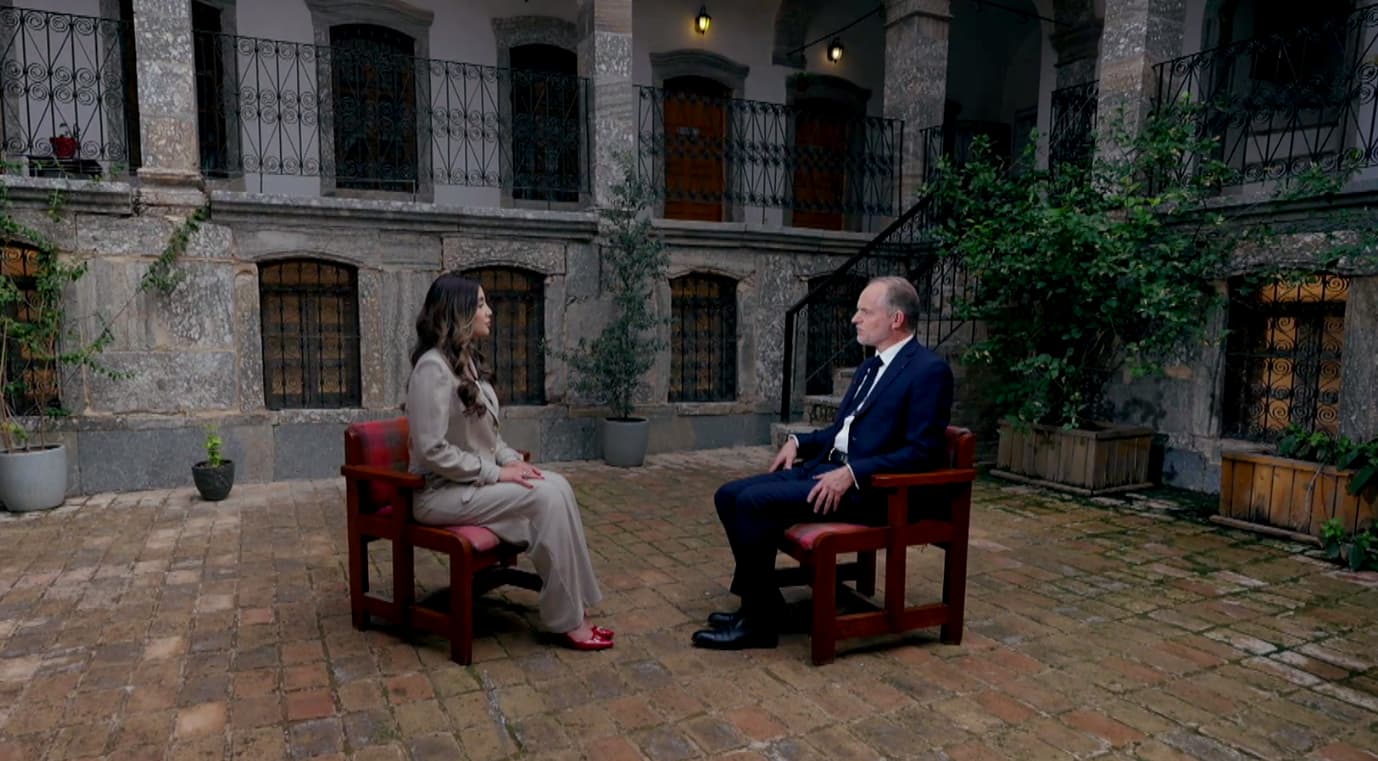
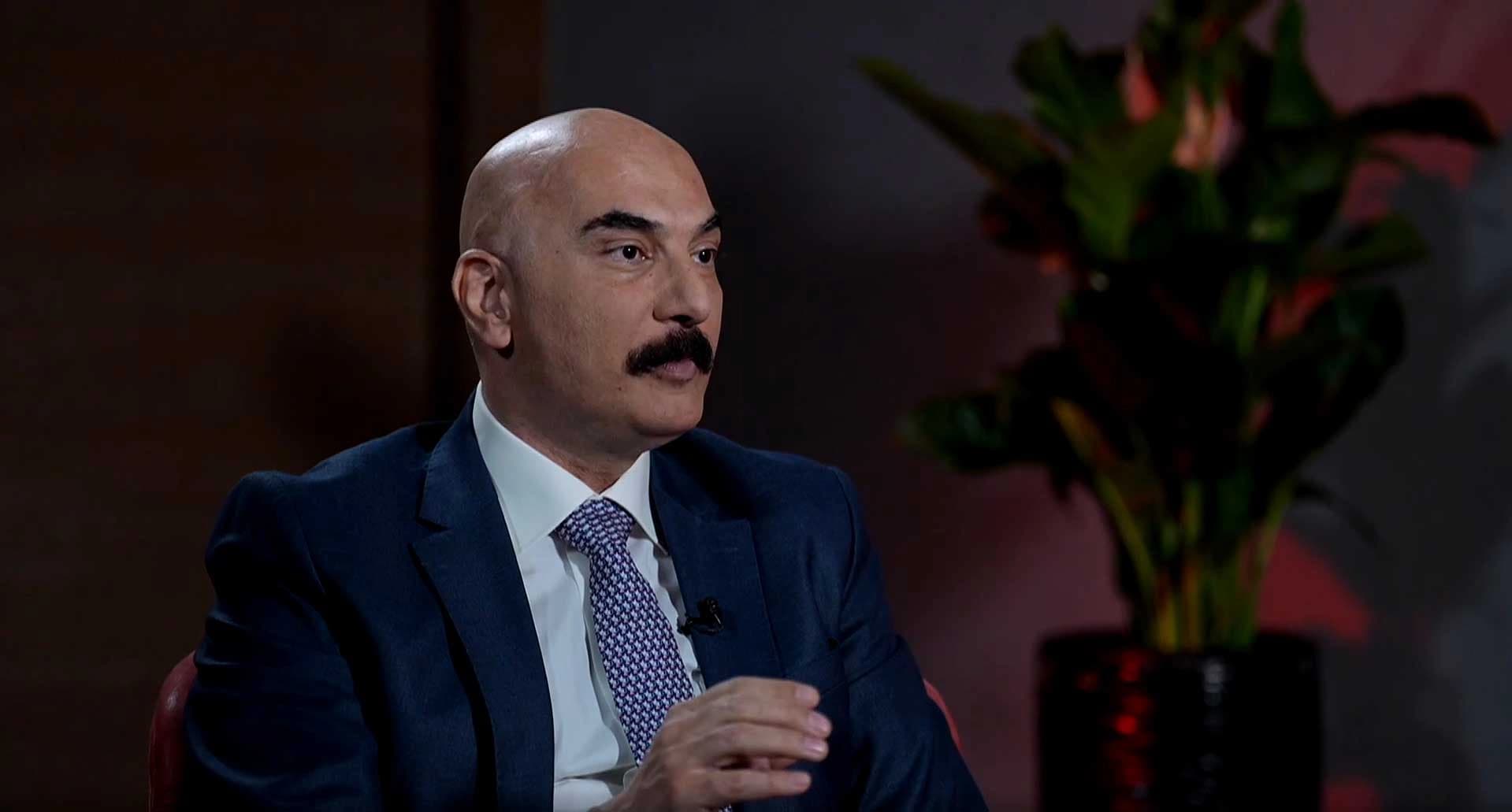
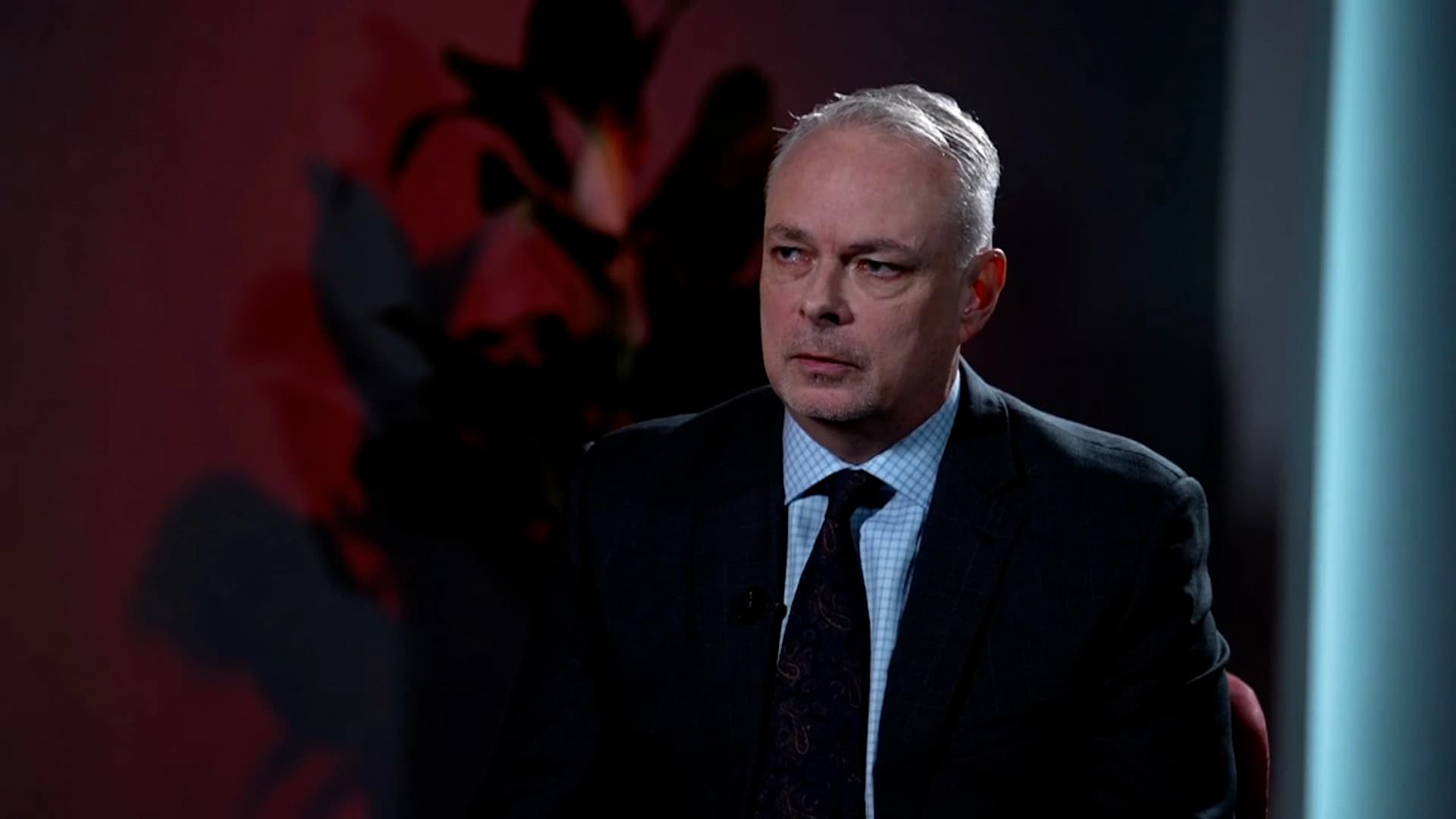
Following is the full transcript of the interview with Ahmed al-Hilali, deputy governor of Hasaka.
Rudaw: How many detainees linked to the Kurdish-led Syrian Democratic Forces (SDF) are still in the custody of Syrian authorities?
Ahmed al-Hilali: At the beginning of the Presidential Committee’s work, and according to estimates provided by relevant SDF authorities, there were 1,070 detainees. After inspections of several prisons and detention centers, more than 1,200 SDF-affiliated detainees were released.
Currently, prison authorities and relevant bodies are conducting further reviews and assessments. Currently, only a small number remain in custody, however, the Syrian government is committed to releasing all of them.
What is the controversy relating to certain detainees whose release has been delayed?
A misunderstanding has arisen regarding the interpretation of individual cases. To clarify, following release, standard procedures related to criminal records are applied to determine whether the person being released is linked to other charges. We are referring to what is known as the criminal record slip. This means that the decision to release a detainee does not automatically cancel other pending charges against them, including personal or civil cases or public-right issues that have not been resolved by amnesty decrees. In this context, we are addressing several cases that require a legal resolution.
How many detainees are being held due to links to other charges unrelated to SDF affiliation, and what types of charges are involved?
There is not yet a clear figure regarding detainees with other charges. However, what is clear is that the Syrian government has been committed to releasing those whose sole reason for detention was their membership in the SDF. These cases have been settled.
What stage has the implementation of the January 29 agreement reached?
Although there has been some delay in resolving certain files, such as the judiciary, many important issues have been completed through the cooperation of all parties committed to the success of this process, whether from the government side or the SDF side.
One example is the latest parliamentary elections, which marked a historic milestone for Hasaka province. Progress has also been made in the education sector, where, after many years, preparatory and secondary examinations are being held throughout the province. There has also been progress in wheat management and border-crossing arrangements.
In the security file, interviews with more than 9,000 members of the Kurdish Internal Security Forces (Asayish), including around 1,000 women, are set to be conducted soon as a prelude to their integration under the Directorate of Internal Security of Hasaka province that operates under the Syrian interior ministry.
How many Afrin families remain displaced, and when are they expected to return?
According to our latest figures, around 1,650 families continue to live in displacement. We have emphasized that returns are voluntary and individual and do not require any extraordinary security procedures. Depending on the wishes of those concerned, we may organize the final return convoy next week. There are no obstacles preventing their return.
When will the first convoy of displaced people return to Serekaniye (Ras al-Ain)?
The resolution of the issue of displaced families from Serekaniye must be implemented simultaneously, including the return of those displaced from Hasaka to Serekaniye and vice versa. Once the Afrin displacement file is settled, we will move on to address this issue.