
ERBIL, Kurdistan Region - State Organization for Marketing of Oil (SOMO) announced on Wednesday the renewal of its tripartite agreement with the Iraqi government and the Kurdistan Regional Government following the recently renewed oil export contract between Iraq and Turkey.
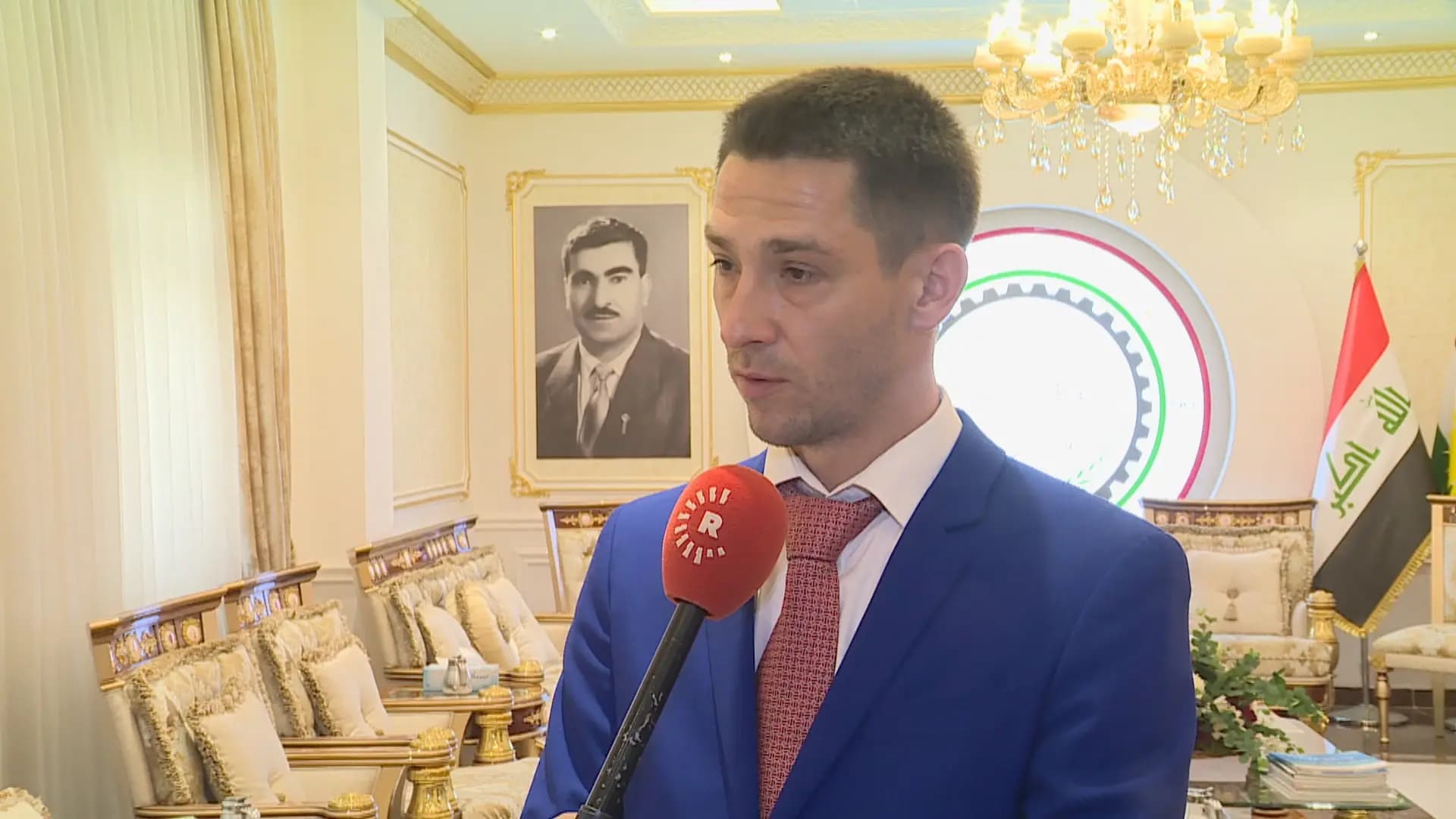
“The tripartite agreement also reached its end and required an extension,” Ali Nizar, director general of SOMO, told Rudaw's Malik Mohammed, adding that its extension was contingent on the renewal of the Iraq-Turkey agreement.
“Naturally, the pool of available companies began to shrink, as did our options regarding firms capable of navigating the Strait,” said Nizar regarding the development of joint efforts to diversify energy routes away from the Strait of Hormuz.
The Iraqi and Turkish energy ministries signed a new one-year agreement on August 1 allowing Iraq to export oil through Turkey’s Ceyhan port, with a minimum commitment set at 750,000 barrels per day.
Nizar said the tripartite agreement has received preliminary approval from the Iraqi Council of Ministers and has been extended for six months, with the possibility of another six-month extension.
“This contract serves as an administrative protocol and a framework for cooperation between Erbil and Baghdad to legally reorganize the process of oil transportation and exports,” a source from the North Oil Company (NOC) told Rudaw, explaining that the agreement was renewed in Erbil around 20 days ago and sent to the Iraqi Oil Ministry for formal approval and implementation.
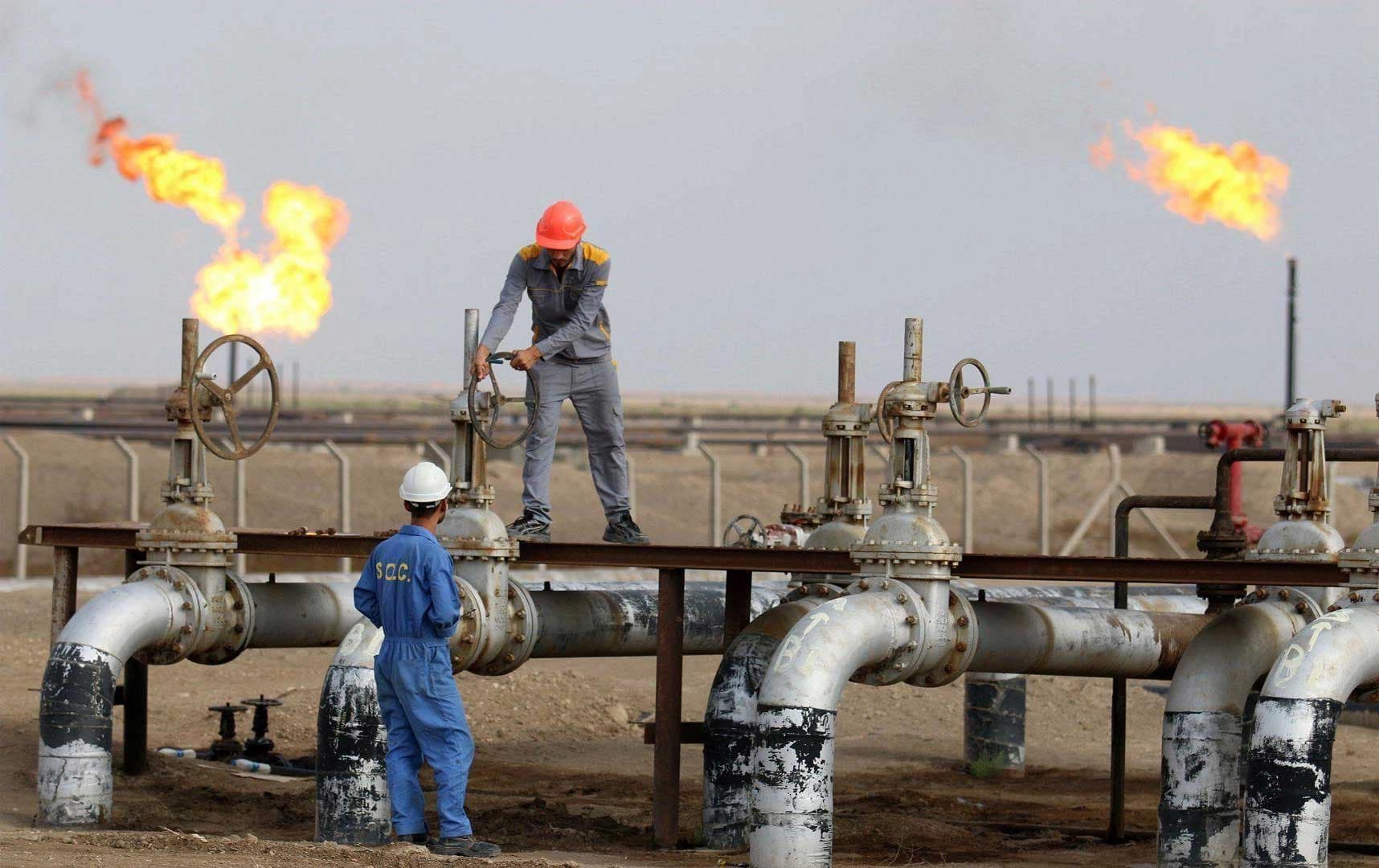
The agreement comes as oil production and exports from the Kurdistan Region experience “waves of decline” and remain significantly below pre-war levels, following the war between the US and Iran on February 28.
Separately, in an interview with the Iraqi Al-Ahed TV on Monday, Nizar said the Region had previously delivered between 210,000 and 220,000 barrels per day to SOMO but that production fell to zero in March and April after foreign companies suspended operations amid regional tensions.
Deliveries later resumed, reaching up to 110,000 barrels per day in July before renewed attacks on oil fields and subsequent shut-ins caused another decline.
“Due to military tensions and attacks on oil fields, the level of Kurdistan Region oil deliveries to SOMO has currently dropped to nearly 50,000 barrels per day,” Nizar said.
The NOC source said foreign oil companies in the Kurdistan Region have gradually resumed operations after previously suspending work due to regional escalations.
Under the current budget arrangements, producing companies are temporarily entitled to $16 per barrel until international consultancy Wood Mackenzie completes its assessment of production costs.
Nizar said the figure is provisional, noting that production costs vary considerably between Iraqi fields. He cited Rumaila in Basra, where production costs hover around $3 to $4 per barrel, compared with more than $25 per barrel at the Badra field in Wasit province.
The resumption of exports follows a prolonged dispute over the legal framework governing Kurdish oil exports.
Exports through the Kurdistan Region pipeline to Ceyhan were halted after a March 2023 ruling by the International Court of Arbitration in Paris regarding a lawsuit against Turkey over the illegal independent transport of the Kurdistan Region’s oil exports. They resumed on September 27, 2025, following an agreement between Baghdad, Erbil and the oil companies.
Meanwhile, Iraq’s broader oil exports have been hit by disruptions in the Strait of Hormuz. Nizar said Iraq exported around 2 million barrels per day through its southern outlet during the first 10 days of August, compared with 1.88 million barrels per day in July.
He said transport costs have increased up to fourfold and insurance costs have risen tenfold amid heightened risks in the Strait.
Prices have fluctuated to reach as high as $25 per barrel, compared with around $14 in July, significantly reducing Iraq’s monthly oil revenues.
Iraq is also pursuing alternative export routes, including the expanded use of the Ceyhan pipeline, which has a capacity of up to 1.5 million barrels per day.
Longer-term plans include a new pipeline from Basra to Haditha, with branches planned toward Syria’s Baniyas port and Ceyhan in Turkey. Nizar said the project is expected to take between two and 2.5 years to complete.