
ERBIL, Kurdistan Region - Iraq's total public debt stands at about 47 percent of the country's gross domestic product (GDP), an advisor to Prime Minister Ali al-Zaidi said on Wednesday, stressing that while Baghdad remains capable of managing its national debt, continued dependence on oil revenues leaves the economy vulnerable to external shocks.
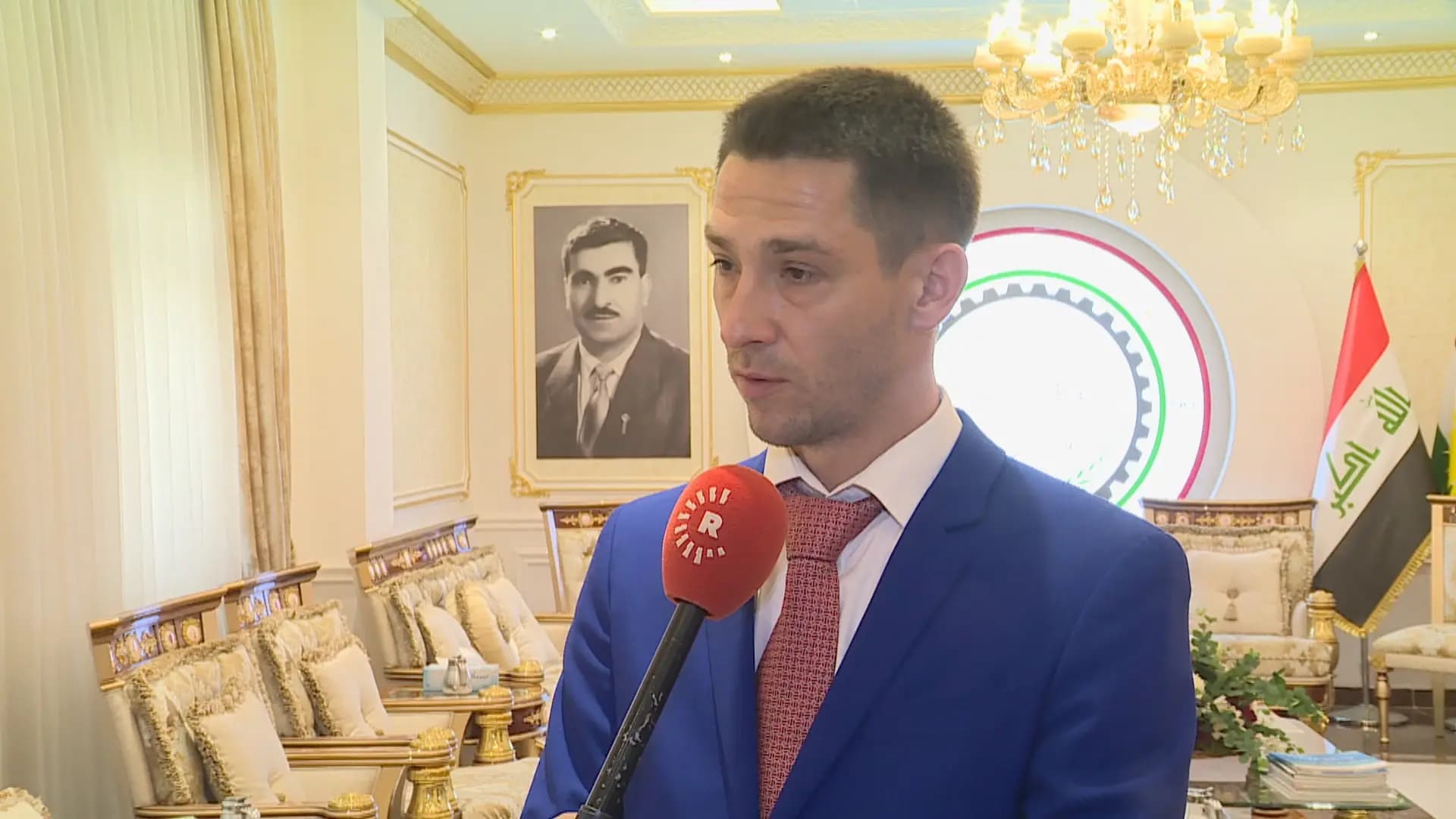
Mudher Mohammed Saleh, who serves as the Financial advisor to the prime minister, told Rudaw on Wednesday that "the greatest challenge facing Iraq's economic structure is the heavy reliance on oil, the weakness of other productive sectors, and rising administrative expenditures."
"According to the latest official data, total government debt accounts for approximately 47 percent of the country's total Gross Domestic Product,” he said, citing government efforts to “diversify revenue sources, particularly in the industrial, agricultural, and service sectors” as well as initiating “reforms in the tax, customs, and banking systems to ensure the Iraqi economy can withstand external shocks.”
The comments come as Iraq faces mounting fiscal pressure amid regional tensions since the onset of the US and Israel’s aerial campaign on Iran in late February and subsequent closure of the Strait of Hormuz which Iraq relies on for 90 percent of its crude oil exports, the main source of its revenue.
According to a post-2003 framework established by the Development Fund for Iraq (FDI), Washington exercises de-facto financial control over Iraq’s oil revenues which are deposited at the Federal Reserve Bank of New York and subject to US administrative and regulatory oversight, often restricting shipments of the US dollar due to the presence and involvement of Iranian proxies both within its borders as well as in Iraqi government blocs.
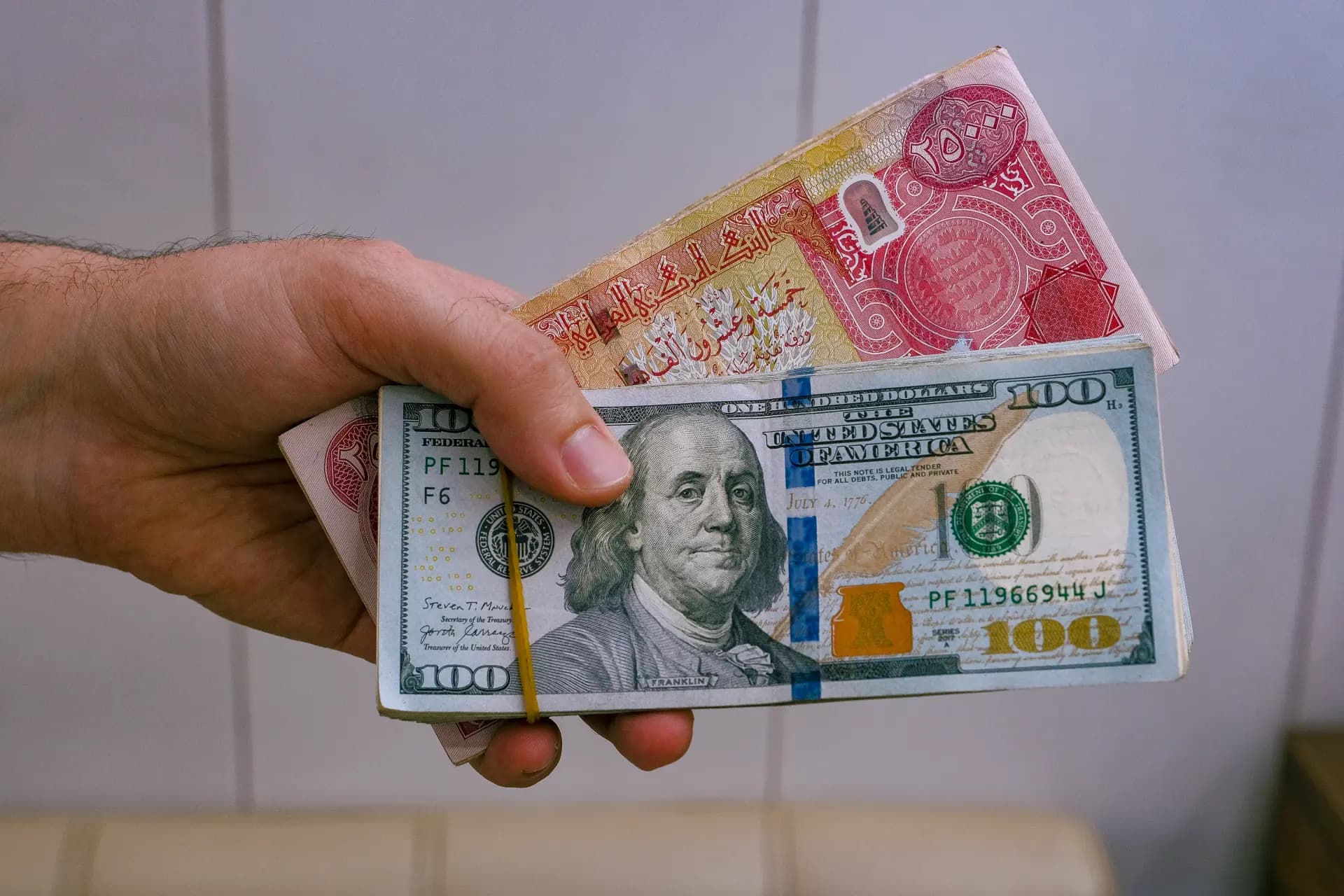
A data report published by the Central Bank of Iraq last week showed the country recorded a budget deficit of 10.9 trillion Iraqi dinars ($8.3 billion) during the first four months of 2026, up 68 percent from the same period last year.
Current expenditure, including public sector salaries and operating costs, continued to outpace revenues during the January-April period, underscoring Baghdad's dependence on oil.
He noted that domestic borrowing makes up the "lion's share" of the debt, while foreign debt has fallen sharply since the years following the 2003 US-led invasion, saying it now stands at "only 21 percent of the total GDP."
Saleh said Iraq is currently able to manage its debt obligations but cautioned that lower crude prices or higher government spending could strain public finances.
"A drop in oil prices or an increase in allocated expenditures would put pressure on the general budget," he warned.
Despite reform efforts, oil continues to account for between 88 and 90 percent of Iraq's budget revenues. Saleh said the government is shifting its focus on "digitizing the tax and customs systems to prevent revenue leakage and money laundering."
He also revealed plans to establish an "Energy and Development Account," describing it as a mechanism to channel higher oil production into long-term infrastructure investment.
"This involves increasing oil production by two million barrels to convert oil capital into infrastructure projects," Saleh said, adding that the initiative follows Prime Minister Zaidi's recent visit to Washington, where 48 agreements and memorandums of understanding were signed "to rebuild economic relations with the United States and revitalize the Iraqi economy."