ERBIL, Kurdistan Region - Iraq's ministry of oil is in the final stages of preparing to export up to 350,000 barrels of Kirkuk crude per day to Turkey's Ceyhan port through the repaired Iraq-Turkey Pipeline (ITP) corridor, pending upcoming final technical tests.
The Kirkuk–Ceyhan oil pipeline is part of Baghdad's efforts to diversify its oil export routes following disruptions linked to the ongoing military confrontations of the US and Iran in the Strait of Hormuz.
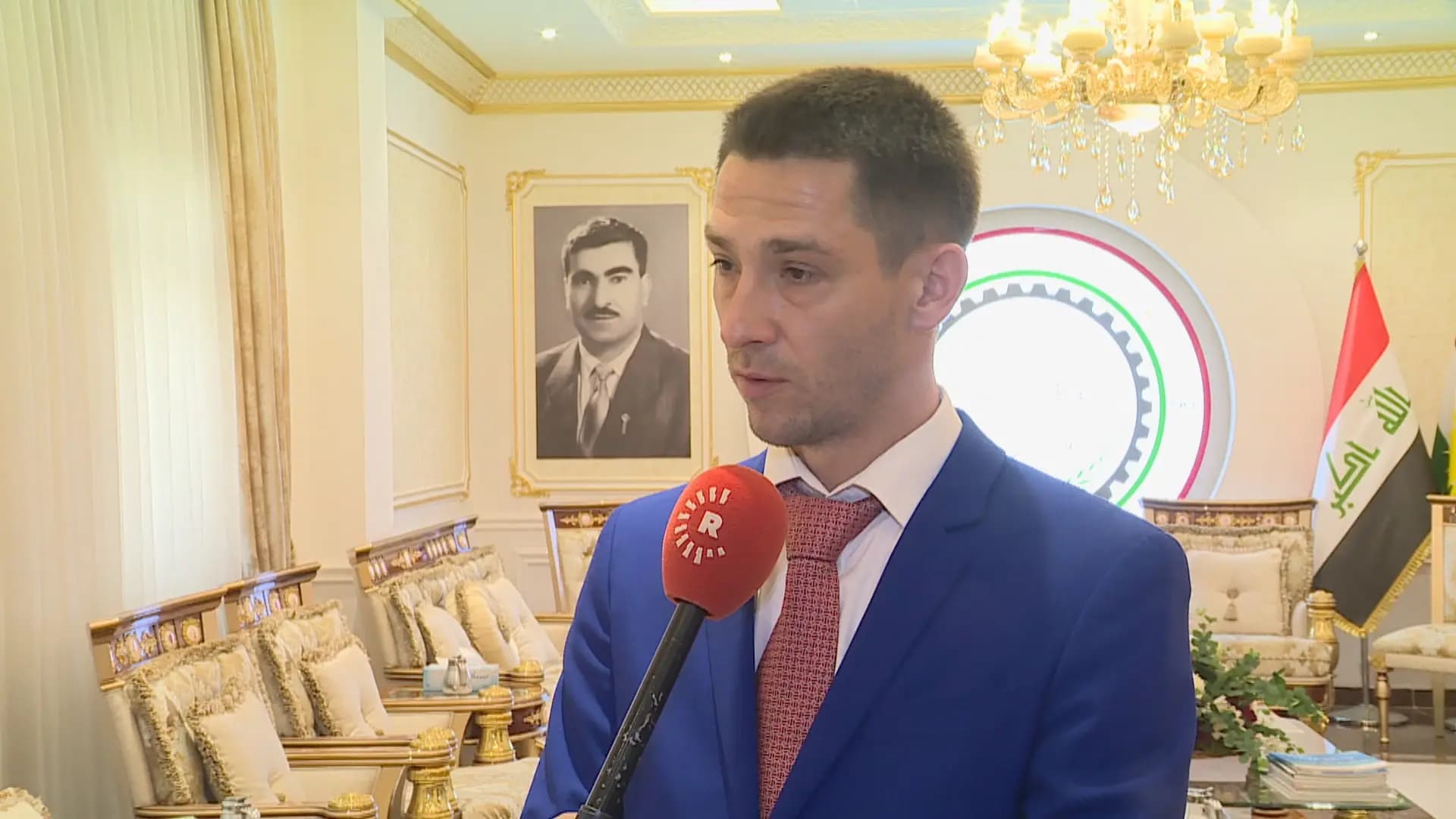
"The pipeline is in the final testing phase; therefore, a start date for oil exports cannot be determined until these tests are completed and we are certain of their success," Iraqi oil ministry spokesperson Salim al-Rukabi told Rudaw's Hastyar Qadir on Tuesday.
The federal pipeline, decommissioned after sustaining structural damage by the Islamic State (ISIS) when the group captured Mosul in 2014, spans 1,000 kilometers and stretches from Kirkuk to Ceyhan port in Turkey’s southern city of Adana, passing through the Kurdistan Region's Duhok province bordering Turkey.
More than 300 kilometers of the pipeline lie within Iraqi and Kurdistan Region territory, passing from Kirkuk to Salahaddin province through a 40-inch diameter pipe and expanding to 46 inches as it continues through Nineveh en-route to the Turkish border.
The ministry announced on Saturday that all preparations had been completed to enable exports of between 300,000 and 350,000 barrels per day through the pipeline to the Turkish port of Ceyhan.
A source at Iraq's North Oil Company confirmed to Rudaw on Tuesday that hydrostatic testing of the pipeline has already been completed.
"Hydrostatic testing (testing with water) for the pipeline has been completed. What remains before starting oil exports is testing the two booster pumps," the source said.
According to the NOC source, once the remaining tests are successfully completed, the pipeline must be filled with around two million barrels of crude before exports can begin - a process that could take more than a month.
While the Kirkuk–Ceyhan oil pipeline is the main of two pipelines connecting Iraq to Turkey’s port of Ceyhan, a shorter line southeast of Taq Taq to Fishkhabour in Duhok, in the Kurdistan Region’s north, facilitates KRG crude oil exports along the ITP.
Currently, more than 200,000 barrels of Kirkuk crude are exported daily to Ceyhan through the Kurdistan Region's pipeline. The Iraqi Oil Ministry aims to raise combined exports through both routes to around 700,000 barrels per day.
Rukabi said Iraq is temporarily relying on crude from the country's southern fields to support exports. "Currently, southern oil is being transported by tanker and blended with Kirkuk oil for export purposes, until the Basra-Haditha pipeline is completed," he said.
The Basra-Haditha pipeline, another strategic export project, is intended to transport crude from southern Iraq to Haditha in Anbar province in the west of Iraq, allowing exports through ports in Syria and Jordan. However, the project remains in its early stages.
Iraq currently produces between 2 million and 2.5 million barrels of oil per day, with approximately 1 million barrels exported daily.
Iraqi oil sales have suffered significant declines since February 28, when the United States and Israel launched a military campaign against Iran. Although Washington and Tehran agreed to a ceasefire in April and extended the truce on June 18, restrictions in and around the Strait of Hormuz continue to impede commercial shipping.
Due to the war, oil exports through Iraq's southern ports have plummeted significantly, with official sales standing at 10 million barrels in April. The country's pre-war monthly exports had averaged 92 million barrels.