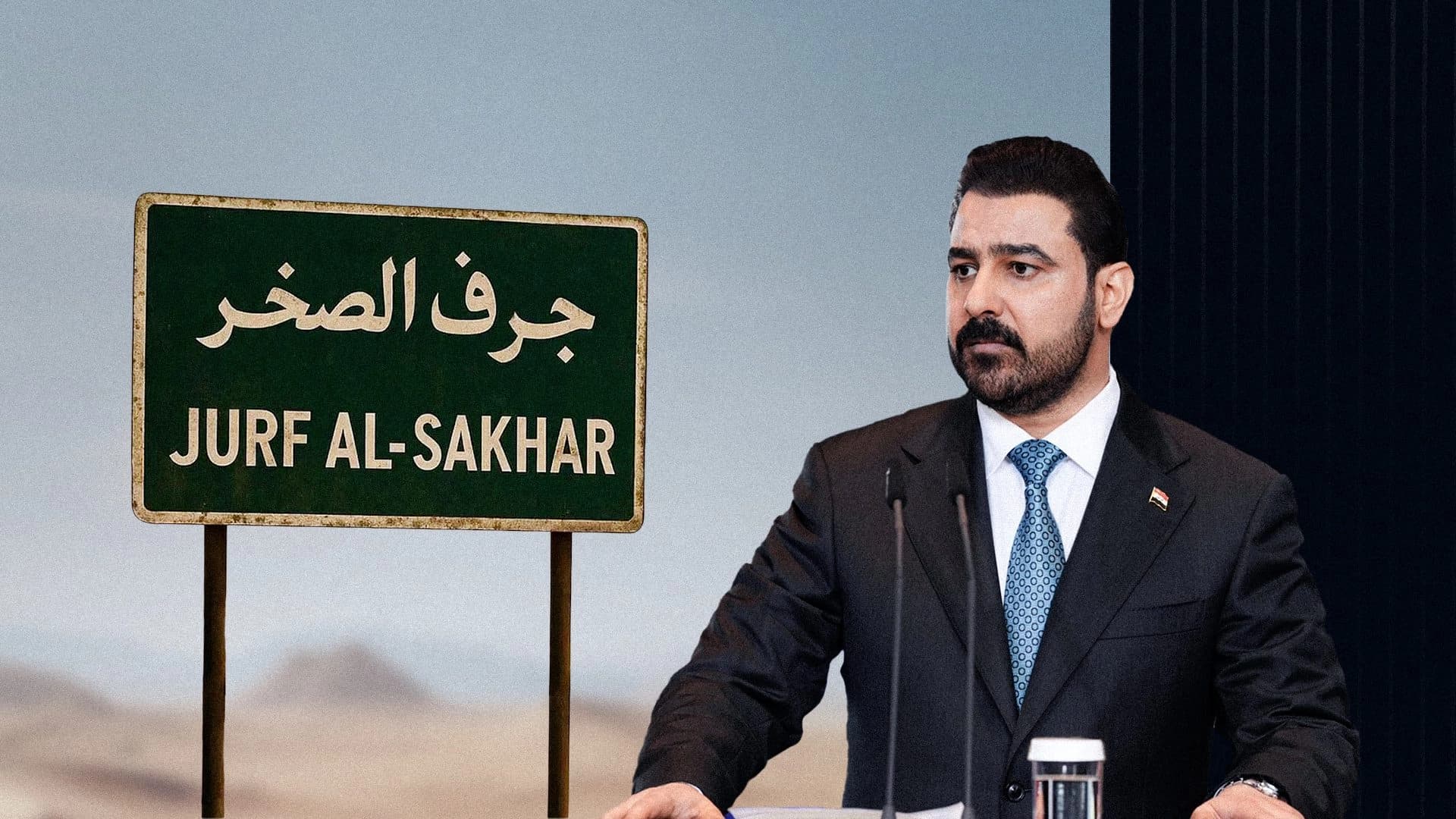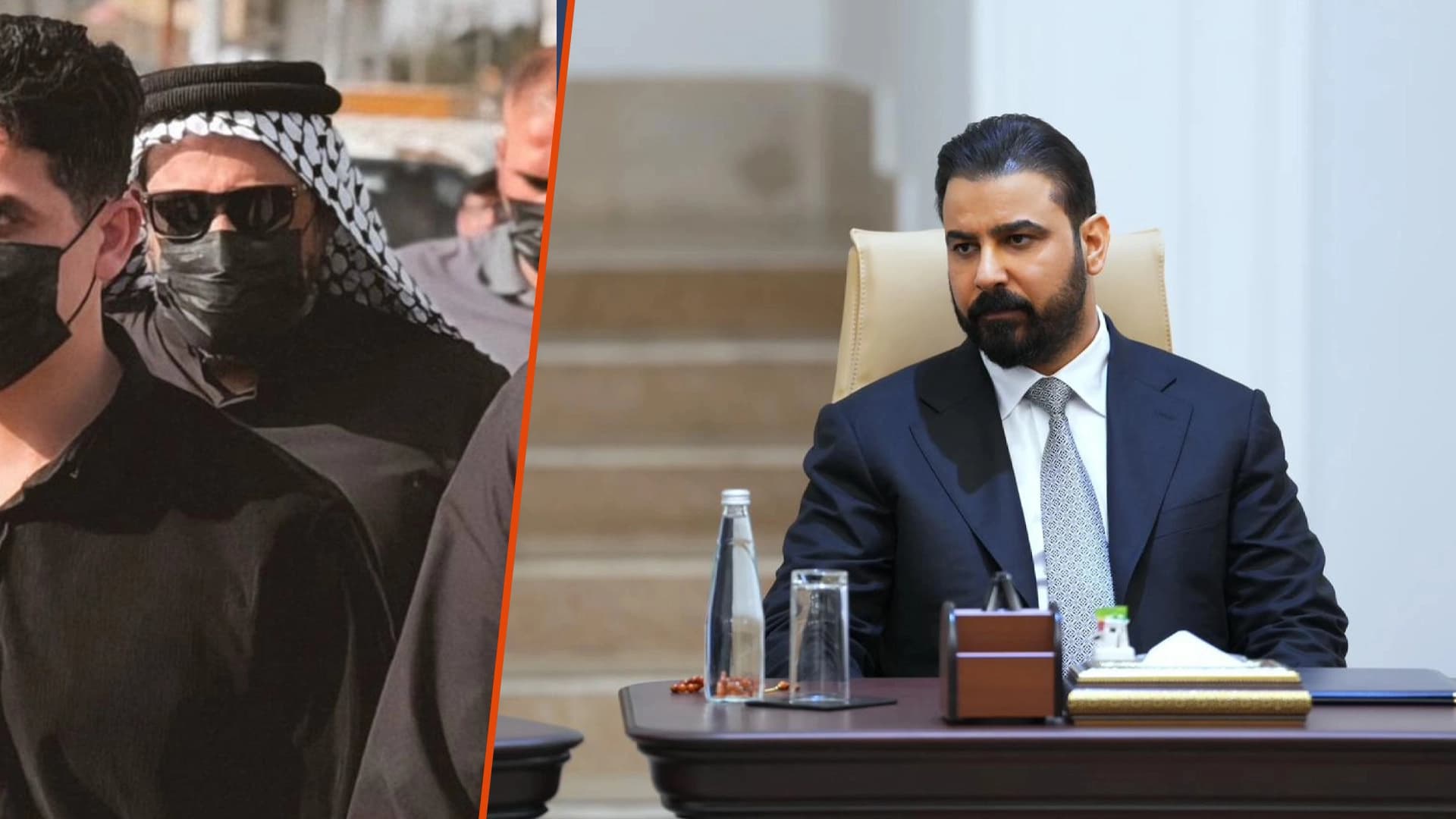

ERBIL, Kurdistan Region - Iraqi state media outlets have published a series of false and misleading reports about the Kurdistan Region since Prime Minister Ali al-Zaidi ordered federal authorities on Tuesday to assume control of its border crossings and several oilfields. The reports raise concerns over a possible disinformation campaign targeting the Region amid mounting tensions between Erbil and Baghdad.
The reports, ranging from misrepresentations of US policy toward Iraq’s federal system to falsely identifying the location of an alleged oil smuggling site, have coincided with the proliferation of misleading footage and anti-Kurdish rhetoric on social media, including calls for military intervention in the Kurdistan Region.
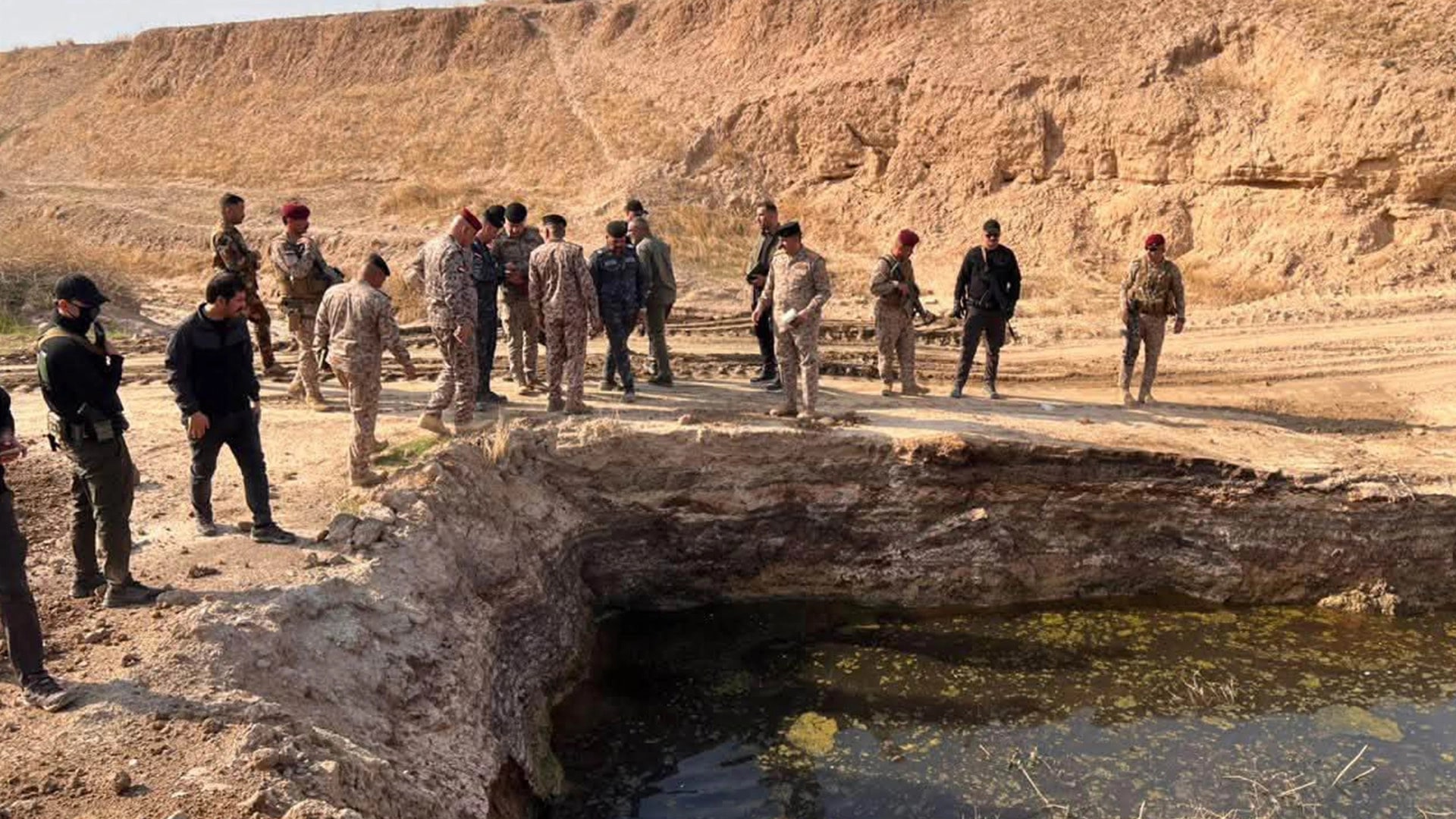
On Saturday, the state-owned Al-Sabah newspaper and Iraqi Media Network (IMN) circulated footage and images purporting to show the discovery of an oil smuggling site near the Kurdistan Region’s Parviz Khan border crossing with Iran. Both emphasized that the crossing was “under the control of the Kurdistan Region” before subsequently deleting their posts.
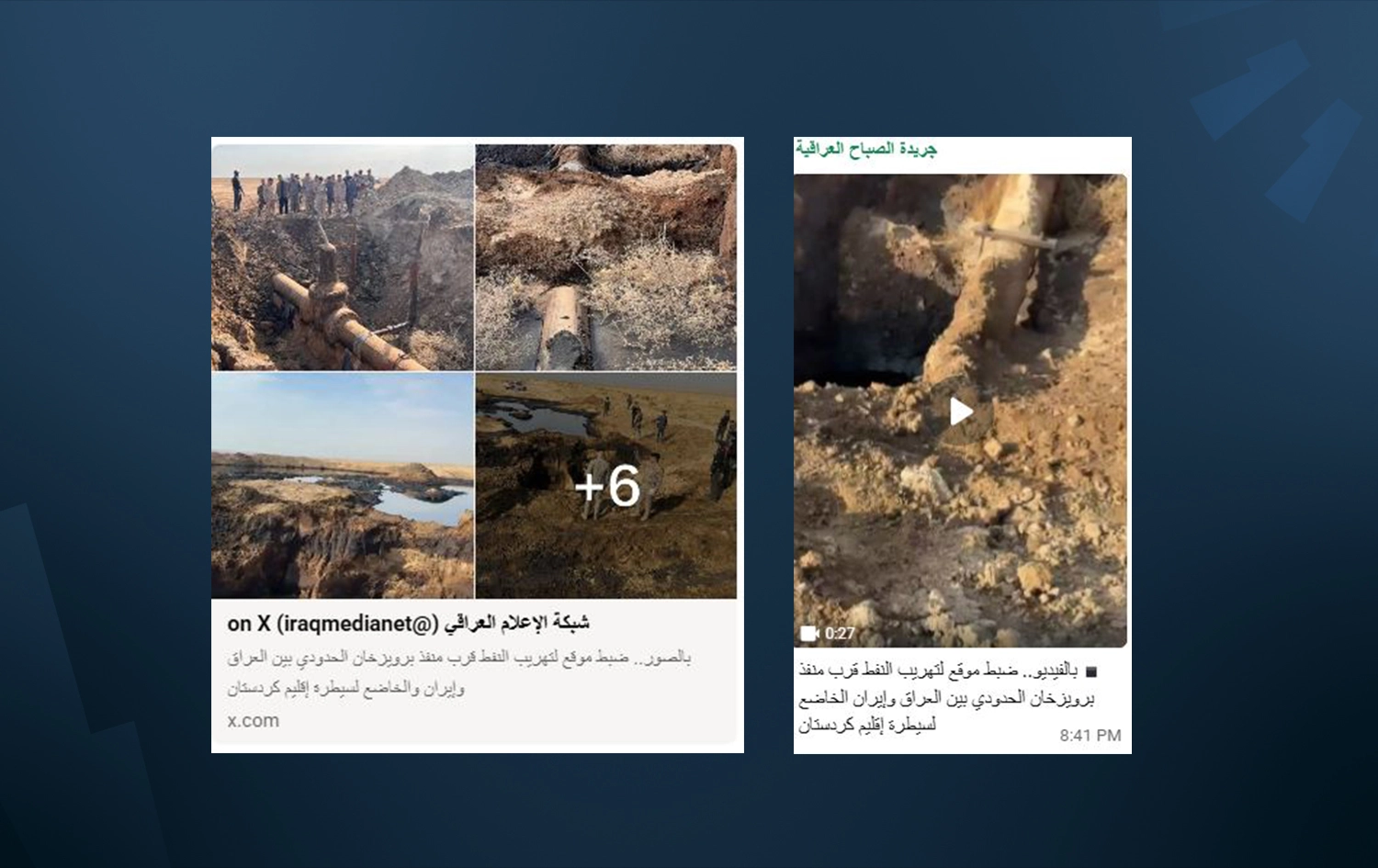
Images of the now-deleted Al-Sabah (right) and INA posts.
The footage was filmed in Iraq’s Salahaddin province, where the Iraqi defense ministry said it found no evidence of smuggling after inspecting pipelines. Parviz Khan officials rejected the allegations, while Iraqi fact-checking organization Tech 4 Peace independently debunked the reports.
The misleading coverage comes at a particularly sensitive time in relations between Erbil and Baghdad. On Tuesday, Zaidi ordered federal authorities to take control of the Kurdistan Region’s border crossings and directed the oil ministry to assume management of oilfields in Kirkuk, Nineveh, Diyala and Salahaddin provinces currently under Kurdish security control.
Misrepresenting international coverage
A day after Zaidi issued the directives, Al-Sabah published an article claiming that US President Donald Trump’s administration was pushing for greater centralization in Iraq, suggesting what had been claimed by an analyst of the New York Times as official White House policy.
The original article, titled “Iraq’s Prime Minister Aims to Wrest More Power from Kurdistan Region,” contained no such official announcement of such a US policy.
The state-run Iraqi News Agency (INA) also published a selective account of the article, omitting warnings of a possible armed confrontation and concerns that the Kurdistan Region could retain its constitutional status while losing the economic means to exercise its autonomy.
The US State Department subsequently reaffirmed Washington’s support for a federal Iraq as well as a stable Kurdistan Region, calling for resolving disputes between Erbil and Baghdad through dialogue and in accordance with the constitution.
Oil smuggling allegations
Iraqi state media and regional broadcasters have also published excerpts from purported Iraqi intelligence documents alleging extensive oil smuggling operations involving the Kurdistan Region.
Saudi-owned broadcasters Al-Arabiya and Al-Hadath reported on Tuesday that satellite imagery contained in a classified Iraqi intelligence document showed continued oil tanker loading at a site in Fishkhabur, Duhok province, outside the federal oil marketing system.
The presence of oil tankers, however, does not in itself establish that smuggling is taking place. The two outlets had peddled similar claims during Damascus’ January offensive to retake territory from the now-dissolved Kurdish-led Syrian Democratic Forces (SDF). They had claimed that Syrian oil was being smuggled into Iraqi Kurdistan. The two opposing claims raise serious concerns for the journalistic integrity of the Saudi-owned channels.
Under arrangements announced in September 2025 following an agreement between Erbil, Baghdad, and international oil companies to resume Kurdish oil exports, Norwegian oil producer DNO said it would make the KRG’s share of production from its Tawke license available for export, while continuing to sell the share belonging to DNO and its partner Genel Energy to local buyers under existing contracts. Such local sales involve the transportation of crude by truck.
Misleading footage has also proliferated on social media. On Friday, Tech 4 Peace debunked a video purportedly showing oil being smuggled from Erbil under the supervision of Kurdish parties. The footage actually showed trucks at a border crossing between Kazakhstan and Uzbekistan.
Iraqi government spokesperson Haider al-Aboudi claimed on Friday that oil exports bypassing Iraq’s State Organization for Marketing of Oil (SOMO) had caused losses exceeding $100 billion between 2008 and 2025.
Separately, a document from the Iraqi Federal Board of Supreme Audit estimated losses of nearly $123 billion from the KRG’s operation of fields Baghdad identifies as belonging to the state-owned North Oil Company between 2004 and March 2023.
The figures make little distinction between illicit oil smuggling and the Kurdistan Region’s longstanding independent oil sales, which Erbil pursued to finance government expenditures, particularly public sector salaries, amid recurrent suspensions and shortfalls in federal budget transfers. For part of that period, the Region was simultaneously fighting a costly war against the Islamic State (ISIS) and hosting large numbers of displaced Iraqis and Syrian refugees.
The direction in which petroleum products are smuggled also warrants scrutiny. A May 2023 Iraqi parliamentary research paper cited findings from Iraq’s Energy Police indicating that most smuggling operations identified by the directorate involved the transportation of petroleum products from Iraqi provinces into the Kurdistan Region.
A subsequent investigation published by the Network of Iraqi Reporters for Investigative Journalism (NIRIJ) in December 2024 documented the diversion of subsidized fuel allocated to factories in federal Iraqi provinces, including fictitious industrial establishments, for resale through the Kurdistan Region and elsewhere.
Anti-Kurdish rhetoric
The dispute has also been accompanied by discriminatory rhetoric on social media, with some users extending accusations of smuggling and corruption against Kurdish political authorities to Kurds as an ethnic group.
One user on X described Kurds as “smugglers by heredity,” using the derogatory Iraqi colloquial term qachaghchi.
Another, commenting on a post examining the history of successive Iraqi governments’ confrontations with the Kurds, invoked what he described as a “long history of Kurdish treachery,” adding that “the end is near.”
On Wednesday, the independent Metro Center for Journalists’ Rights said it had documented racist and inflammatory rhetoric targeting Kurds and the Kurdistan Region by leaders of armed factions appearing on television channels financed by those groups.
The center called on the Iraqi judiciary and the country’s media regulator to take legal action against outlets promoting hatred and inciting violence, warning that such rhetoric threatened civil peace.
The Anfal genocidal campaign carried out by Saddam Hussein’s regime in 1988 involved the systematic killing and disappearance of Kurds and the destruction of thousands of Kurdish villages. The legacy of the genocide, alongside the chemical attack on Halabja, continues to shape Kurdish sensitivities toward threats of military intervention.
The rhetoric surrounding the dispute has also extended to government circles, with Abdul Amir al-Tayban, an adviser to Zaidi, threatening economic strangulation. He suggested that Baghdad could use the Kurdistan Region’s economic dependence on the federal government and its authority over airports to exert pressure on Erbil.
“We can cut them off and leave them at a complete loss. No economy, nothing. Their livelihood depends on the federal government. Their salaries come from the federal government. Everything depends on the federal government,” Tayban said in a televised interview over the weekend.
“We can close the airports. What can they do? The constitution is what governs,” he added.
Former Iraqi lawmaker Raheem al-Daraji went further in an interview with Dijlah TV last week, predicting that Zaidi’s government would establish a “Great Iraq” without multiple parliaments or ministries and that the Kurdistan Region would eventually cease to exist as an autonomous entity.
“We will no longer have something called a [Kurdistan] ‘Region’ in the coming days or years,” Daraji said, despite the presenter’s repeated reminders that federalism is enshrined in the Iraqi constitution.
As Kurdish leaders prepare for talks with federal authorities in Baghdad on Tuesday, the circulation of misleading reports, the conflation of criminal smuggling with longstanding constitutional disputes and the emergence of rhetoric targeting Kurds collectively risk further complicating negotiations and turning a political dispute into a wider ethnic confrontation.